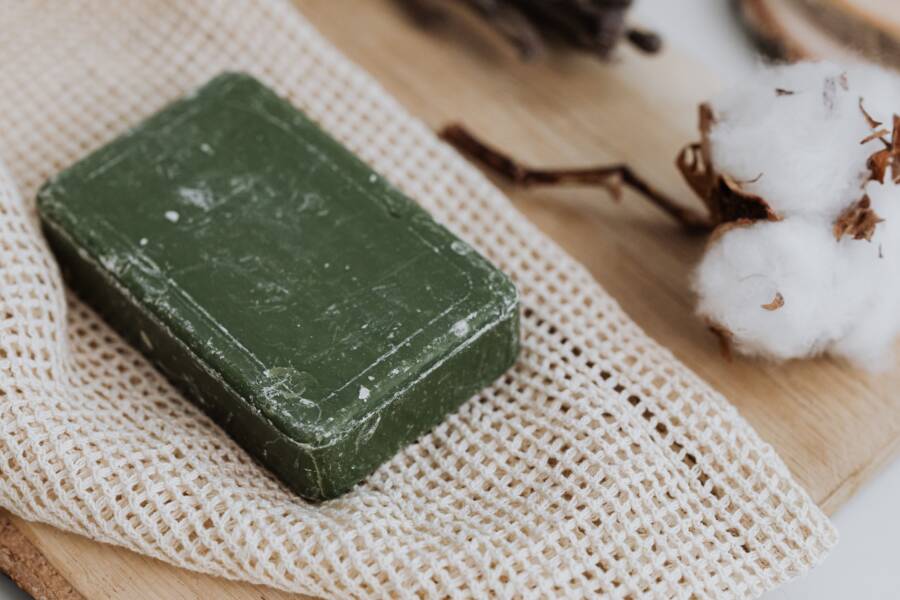
Hot water and standard bar soap cook the proteins in blood, bonding them permanently to fabric fibers. When you wash a fresh red stain with hot water or rub a bar of soap directly over the spot, the heat and specific alkaline compounds cause the organic matter to coagulate. Once these proteins change shape and cure into the weave of the textile, removal becomes nearly impossible.
The Science of Why Soap Sets Blood Stains
Blood is mostly water, red blood cells, white blood cells, platelets, and complex proteins like albumin and hemoglobin. When these proteins encounter heat or certain chemical surfactants found in standard soaps, they undergo a structural shift. Instead of dissolving away in the wash, they lock tightly into the microscopic gaps between cotton, linen, or synthetic threads.
How Proteins React to Heat and Bar Soap
Proteins maintain a complex, folded molecular shape. Heat and harsh soap formulas disrupt the chemical bonds that hold this shape together, causing the protein molecules to unfold and tangle. This process is called denaturation. Just like heating an egg white turns it from a clear liquid into a solid white mass, hot water turns liquid blood into a permanent solid trapped inside your clothing.
Why Hot Water Is Your Worst Enemy for Laundry
Many people automatically toss stained clothes into a warm or hot washing machine cycle because heat kills germs and dissolves grease. However, grease and blood require opposite treatment methods. While hot water melts fats, it ruins protein stains by cooking them into the textile. Always treat a blood stain before it sees any warm water.
What to Use Instead of Soap for Blood
Effective stain removal requires breaking down organic proteins without altering their chemical structure through heat. Cold water acts as the primary solvent because it dilutes and washes away the red cells while keeping the proteins loose and soluble. Pairing cold water with mild chemical agents lifts the stain safely from the fibers.
Using Cold Water and Salt for Fresh Spills
Cold tap water flushes fresh blood out of fabric before it has time to dry. Run cold water through the back of the stain to push the blood out of the fibers instead of driving it deeper. Mix equal parts of cold water and regular table salt to create a mild saline solution if the stain persists. Blot the mixture gently onto the fabric, let it sit for thirty minutes, and rinse thoroughly with cold water.
Hydrogen Peroxide and Enzymatic Cleaners
Hydrogen peroxide works well on white fabrics by oxidizing the red blood cells, though it can bleach colored garments. Apply a three percent solution directly to the stain and watch it fizz as it breaks down the organic matter. Enzymatic laundry detergents offer a safer alternative for colored clothes because biological enzymes specifically target and digest protein chains without damaging the dye.
Step by Step Guide to Removing Dried Blood
Dried blood requires extra time because the proteins have already hardened onto the fabric, but you can still salvage the garment. Soak the stained clothing in a basin of cold water mixed with a cup of liquid laundry detergent for at least four hours. The prolonged exposure softens the dried proteins so they loosen their grip on the threads. Gently rub the fabric against itself to lift the softened residue once the soaking period ends. Rinse the garment thoroughly in cold water to wash away the loosened debris. Apply an enzymatic pre-treatment spray if any faint discoloration remains on the material. Launder the item in the washing machine using cold water and your regular detergent. Check the garment carefully before placing it into the dryer, because residual heat from the machine cycle will set any remaining stain permanently.