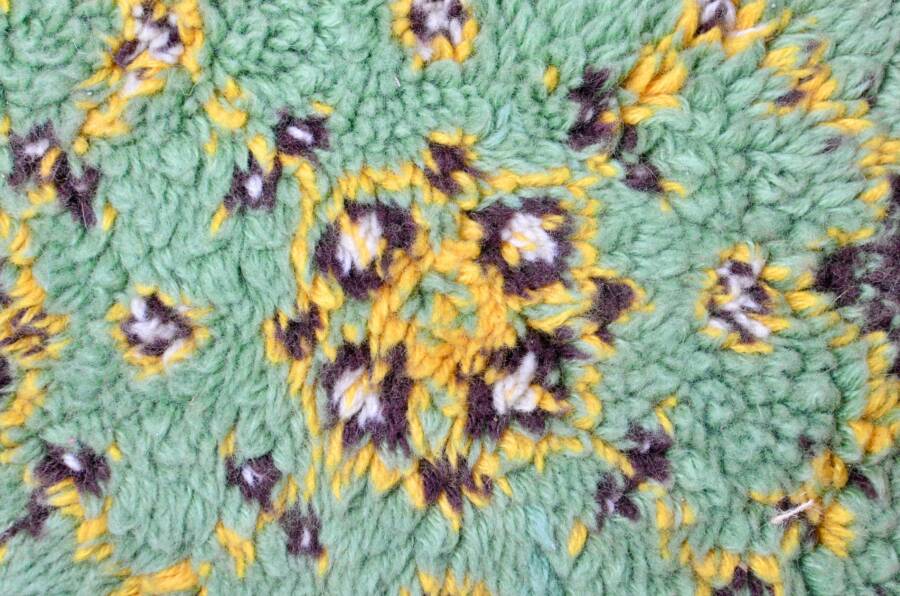
Treating a fresh stain requires cold water and gentle care to avoid permanent damage. Wool fibers react poorly to heat and physical stress. Warm liquids and aggressive scrubbing cause the protein structures inside the yarn to shrink, lock together, and distort permanently. Quick action using the right temperature saves the rug from ruin.
Why Wool Rugs Shrink and Felt During Cleaning
Natural animal fibers contain microscopic scales that react to environmental changes. Hot liquids and harsh physical manipulation lift these scales. Once the scales open, they hook onto neighboring fibers. The yarn tangles irreversibly, which results in a stiff, matted patch on the surface of the floor covering.
The Danger of Hot Water on Natural Wool
Temperature control dictates whether a rescue attempt succeeds or fails. Water above 100 degrees Fahrenheit triggers rapid fiber contraction. Hot solutions open the outer cuticle of the yarn, allowing moisture to penetrate the core. Cold water keeps the protective scales flat, preventing the permanent distortion known as felting.
How Agitation Damages Delicate Rug Fibers
Friction is just as dangerous as heat during textile restoration. Vigorous scrubbing forces tangled strands into a dense mass. The twisting motion breaks individual hairs and flattens the natural pile. Proper techniques rely on passive absorption rather than physical force to lift foreign substances.
Safe Removal of Blood on a Wool Rug Without Felting the Fibers
Cleaning requires a methodical approach that protects the structural integrity of the pile. Cold liquid breaks down the proteins without altering the texture. Mild cleaning agents lift the residue without stripping natural lanolin from the yarn.
Mixing the Safe Cleaning Solution
Prepare a simple mixture using cold tap water and mild dish soap. Combine one teaspoon of liquid dish soap with two cups of cold water in a bowl. Stir the mixture gently until it forms a uniform solution. Avoid laundry detergents containing enzymes or optical brighteners because these harsh chemicals strip color from natural fibers.
Blotting Techniques for Fresh Stains
Press a clean white cotton cloth directly onto the affected area to absorb excess liquid. Lift the cloth straight up instead of wiping across the surface. Moisten a second clean cloth with the soap mixture and press it firmly onto the remaining spot. Work from the outer edges toward the center to prevent the liquid from spreading into clean areas.
Treating Dried Blood Stains Without Ruining Your Rug
Older spots require chemical assistance because the proteins have hardened against the pile. Hydrogen peroxide breaks down stubborn organic residues safely when diluted properly. Caution prevents accidental bleaching and textural degradation during the process.
Testing Your Cleaner on a Hidden Spot
Apply a drop of the cleaning solution to an inconspicuous corner of the floor covering. Press a white paper towel against the wet area for ten seconds. Check the towel for color transfer or fiber damage before treating the visible blemish.
Using Hydrogen Peroxide Safely on Wool
Dilute a three percent hydrogen peroxide solution with equal parts cold water. Dab the diluted mixture onto the dried spot using a cotton swab. Allow the solution to fizz for thirty seconds before blotting it away with a dry towel. Rinse the area immediately with a damp cloth soaked in plain cold water.
Drying Your Wool Rug Properly to Prevent Texture Loss
Moisture left sitting inside the foundation causes mold growth and fiber rot. Proper drying restores the original loft of the pile. Air circulation speeds up the evaporation process significantly.
Absorbing Excess Moisture with Towels
Lay clean white bath towels directly over the damp section of the material. Step firmly onto the towels to transfer trapped water out of the backing. Repeat this process with fresh dry towels until the fabric feels only slightly damp to the touch.
Restoring the Pile After Cleaning
Position a portable fan nearby to blow air directly across the treated section. Avoid direct sunlight and artificial heaters during the drying phase. Run your fingers gently through the damp fibers once the material dries to fluff the pile back into alignment.