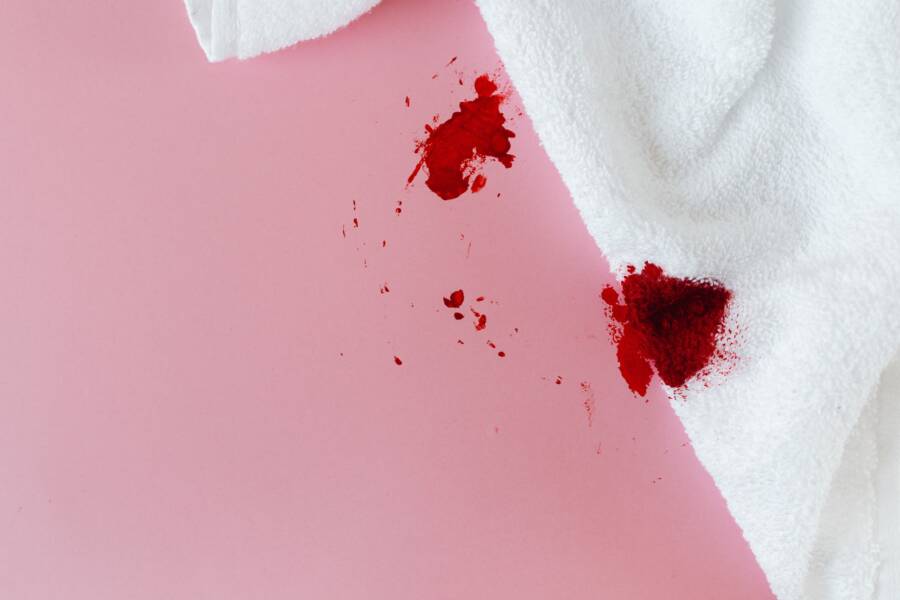
Act immediately with cold water and salt to lift a fresh blood stain on a linen duvet cover before the protein bonds permanently with the flax fibers. Linen requires exceptionally gentle care during cleaning because heat and harsh chemicals break down the natural plant structure.
Why You Need to Act Fast on a Fresh Blood Stain
Blood is a protein-based fluid that reacts strongly to temperature changes and chemical environments. When blood contacts natural fibers like flax, the iron and proteins begin to grip the microscopic pores of the material almost instantly. You must interrupt this binding process before the stain dries and cures into the fabric matrix.
The Danger of Heat in Setting Protein Stains
Warm or hot water should be strictly avoided during the initial rinsing phase because heat cooks protein molecules. Think of how a raw egg turns solid and opaque when it hits a hot pan. The same coagulation happens to blood when exposed to warm temperatures, locking the red pigment deep inside the linen threads permanently.
Pre-Soaking Strategies for Delicate Flax Fibers
Submerge the stained section in cold water for thirty minutes to loosen the dried or fresh red mark safely. Cold water rehydrates the proteins without altering their chemical structure, allowing them to release their grip on the linen weave. Gently agitate the fabric with your fingers every ten minutes to help free the loosened particles into the surrounding water.
Safe Household Solutions to Treat a Blood Stain on a Linen Duvet Cover
Natural and mild ingredients provide the safest path for treating delicate bedding without degrading the fabric integrity or causing discoloration.
Using Cold Water and Salt Paste
Mix two parts cold water with one part standard table salt to create a thick, workable paste. Apply this mixture directly to the affected area and let it sit for twenty minutes. The abrasive yet gentle nature of the salt draws the remaining pigment out of the flax fibers while the cold water keeps the proteins from setting.
Applying Liquid Dish Soap and Hydrogen Peroxide
Apply a few drops of mild liquid dish soap alongside a three percent hydrogen peroxide solution if the salt paste does not remove the entire mark. Hydrogen peroxide acts as a mild oxidizing agent that breaks down blood cells on white or unbleached linen without requiring aggressive scrubbing. Test this method on a hidden corner of your duvet first to confirm the fabric dye remains stable.
Step-by-Step Washing Instructions for Your Duvet
Once the pre-treatment lifts the majority of the pigment, you can run the bedding through a complete cleaning cycle.
Machine Washing Your Linen Bedding Safely
Set your washing machine to a gentle cycle using cold water and a pH-neutral laundry detergent. Avoid heavy-duty detergents that contain optical brighteners or chlorine bleach, because these harsh formulas weaken natural flax yarns and create permanent discoloration.
Hand Washing Spot-Treated Areas
Work out remaining soap and residue by hand if you prefer not to run a full machine cycle for a small spot. Submerge the duvet cover in a basin of cold water, add a teaspoon of mild soap, and gently press the fabric against itself until the suds lift away. Rinse the area thoroughly with clean cold water until no soap bubbles remain in the weave.
How to Dry Linen Without Ruining the Fabric
High-heat tumble drying shrinks natural fibers and makes them brittle, which ruins the relaxed drape of your bedding.
Air Drying on a Line or Flat Surface
Hang your duvet cover on a clothesline outdoors or lay it flat on a clean white towel indoors to dry naturally. Natural air circulation keeps linen fibers soft and prevents the unexpected shrinkage associated with mechanical dryers.
Using the Tumble Dryer on Low Heat
Tumble drying on a low-heat or air-only setting works well if you are short on time or lack outdoor space. Remove the duvet cover while it is still slightly damp to prevent wrinkles from setting into the fabric permanently.
Linen textiles soften naturally with every wash cycle when you avoid harsh heat and aggressive scrubbing techniques. Keep your bedding looking pristine by addressing protein spills immediately with cold water rinses and gentle natural soaps.