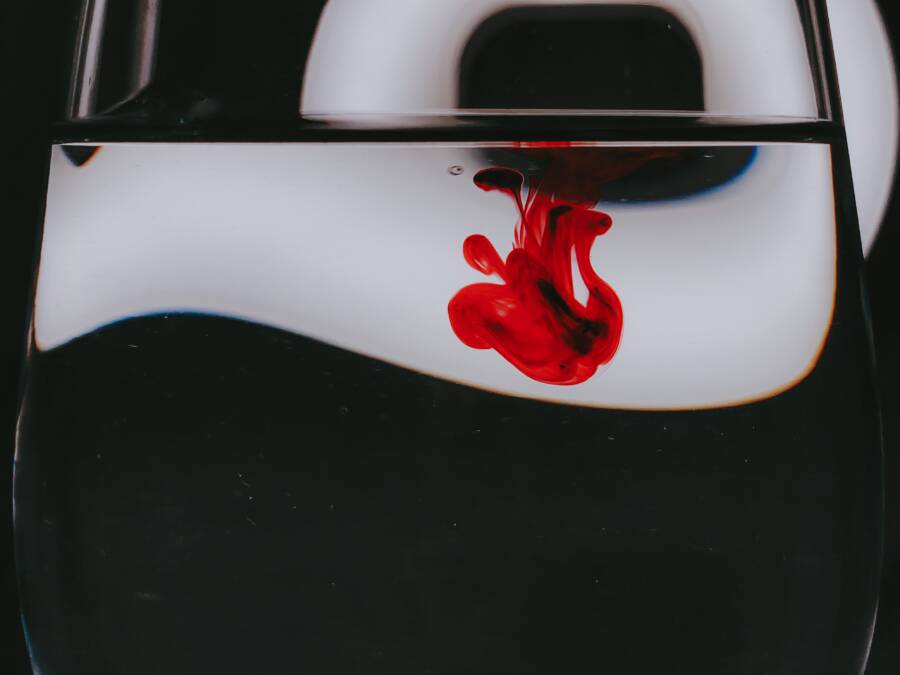
Stop using hot water on your favorite garments the second an accident happens. Heat cooks proteins, making stains permanent, while cold water keeps them loose. Blood contains complex proteins that react violently to thermal changes, so your initial rinse determines whether the shirt survives.
The Science of Protein and Heat
Blood contains proteins like hemoglobin and fibrinogen, which form the primary structural components of the fluid. When these elements contact fabric fibers, they slip into the microscopic spaces between threads. If you introduce thermal energy at this stage, the molecules undergo an irreversible physical transformation.
Why Hot Water Cooks the Stain
Hot water triggers immediate protein coagulation. The liquid blood transforms into a solid, rubbery mass that wraps around the textile fibers. Once this coagulation occurs, the molecules bind tightly to the cotton or synthetic weave. You essentially cook the stain into the fabric, much like frying an egg in a pan.
How Cold Water Keeps Proteins Loose
Lower temperatures prevent structural changes in the protein molecules. When you use chilled water, the proteins remain soluble and flexible. They do not cross-link with the fabric fibers. Therefore, the liquid rinses out of the weave instead of cementing itself into place.
Why Cold Water Beats Hot Water on Fresh Blood Stains
Washing a fresh stain in ice cold water removes organic matter up to three times faster than warm or hot cycles. The chilled liquid maintains the natural state of the hemoglobin, allowing standard detergents to lift the residue away. Hot water actively fights your cleaning efforts by bonding the iron within the blood to the textile dyes.
Easy Steps for Rinsing Fresh Stains
Place the stained fabric under a cold tap immediately. Run the water from the back of the stain to push it out through the front. Do not rub the fabric together, because friction drives the pigment deeper into the weave. Press a clean paper towel against the area to blot excess moisture after the rinse.
Common Mistakes to Avoid When Washing Fabrics
Throwing stained garments directly into the washing machine on a warm cycle ruins the item instantly. Tossing the clothing into a heated dryer seals the fate of any remaining proteins. Always inspect the garment carefully before applying any heat source.
Additional Boosters That Help Cold Water Work Faster
Plain water handles most fresh accidents, but specific household additives accelerate the removal process. These safe items enhance cold water washing without harming delicate clothing fibers.
Using Salt and Cold Water for Tough Spots
Create a simple saline paste with table salt and cold water. Apply this mixture directly to the affected area to break down surface tension on delicate fabrics. Gently blot the paste away with a cold cloth after ten minutes.
Adding Enzyme Cleaners to the Routine
Commercial laundry products containing protease enzymes target proteins effectively at lower temperatures. These specialized formulas break the peptide bonds in blood without requiring thermal assistance. Apply a few drops of liquid enzyme detergent directly to the spot before washing.