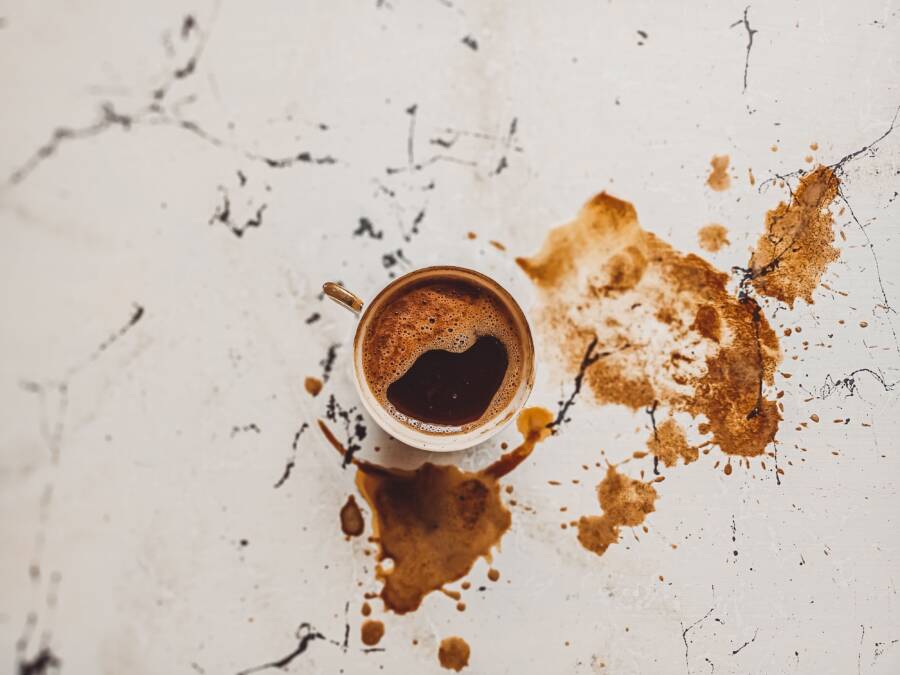
Do not scrub harder or mix cleaners. Blot the area, identify both stains, then treat the newer surface stain before working on the older mark beneath it.
Knowing how to deal with two different stains in the same spot prevents a small mess from becoming a faded patch, a water ring, or damaged fibers. The safest method depends on the material, the stain types, and whether heat or another cleaner has already set the mark.
How to Deal With Two Different Stains in the Same Spot Safely
Start by checking the care label or manufacturer instructions. Remove loose solids with a spoon or dull scraper, then blot liquid with a white cloth or paper towel. Work from the outside edge toward the center, and let the area dry before deciding whether another treatment is needed.
Identify the Surface and Both Stains
Washable cotton, polyester, carpet, upholstery, leather, wood, and silk all need different care. Grease often leaves a dark, slick shadow, while drinks spread color through fibers. Blood, milk, and egg are protein stains, while ink and dye can transfer color quickly.
If you cannot identify a stain, treat it gently with cool water and blotting first. Avoid heat, strong solvents, and hard brushing until you know what caused the mark.
Gather Supplies Before You Start
Use white cloths, white paper towels, cool water, mild dish soap, laundry detergent, a soft brush, and a dull scraper. Colored towels can release dye onto damp fabric, especially light upholstery or carpet.
Wear gloves when using stain removers, and open a window if the product has a strong odor. Keep clean, dry towels nearby so you can remove moisture as you work.
Treat the Surface Stain Before the Older Mark Beneath It
Layered stains should usually be handled from the newest layer to the oldest. First lift solids, then absorb fresh liquid, and only then address the stain that was already there.
For example, spilled coffee on top of an old greasy food stain needs two separate treatments. Blot the coffee first so it does not spread farther. Once the area is dry, use a grease-safe treatment on the older oily mark.
Match the First Treatment to the Stain
Use a small amount of dish soap or liquid laundry detergent solution for oil and grease. For water-based spills, begin with cool water and blotting. Washable protein stains, including milk, egg, and blood, respond best to cool water and an enzyme detergent.
Hot water can set protein stains. Oil-based stains may also need more than one gentle treatment, especially if the fabric has already gone through a dryer.
Remove Dried Residue Carefully
Soften dried food or mud with the appropriate cleaner, then lift it with a spoon or scraper. Replace your cloth as it picks up color or residue, because a saturated cloth can put the stain back into the material.
Avoid aggressive brushing. It can roughen carpet fibers, stretch fabric, and push the stain deeper into padding.
Choose a Cleaner That Fits the Material
Select a stain remover based on the surface and stain type, not the stain’s color alone. Read the label for approved materials, dilution instructions, dwell time, and rinsing directions.
Never combine bleach, ammonia, vinegar, hydrogen peroxide, or commercial cleaners unless the product label clearly permits it. Mixing products can create dangerous fumes, weaken fibers, or leave permanent discoloration.
Patch-Test Before Full Treatment
Apply a small amount of cleaner to an inside seam, hidden corner, or covered area. Wait at least 10 minutes, blot it with a white cloth, and let it dry fully.
Check for fading, bleeding, texture changes, or a pale ring after drying. A surface can look fine while wet and still show damage later.
Remove Two Stains From Clothes and Washable Fabrics
Place a clean white towel behind the stained area to protect the other side of the garment. Apply the treatment from the back of the stain when possible, which pushes residue outward instead of deeper into the fabric.
For how to deal with two different stains in the same spot on clothing, rinse away the first cleaner before trying the second. Then wash the item at the warmest temperature allowed by its care label. Inspect the stain before using a dryer, because heat can permanently set what remains.
Treat Delicate Fibers With Restraint
Cotton and polyester usually tolerate gentle detergent treatment and light agitation. Wool, silk, rayon, and dry-clean-only garments need more caution because water, enzymes, and friction can alter their texture or shape.
Take valuable clothing, leather, antique textiles, and dry-clean-only items to a professional cleaner. Strong solvents and repeated home treatments can create damage that cannot be reversed.
Clean Overlapping Stains on Carpet and Upholstery
Use only enough liquid to dampen the stained fibers. Excess moisture can soak into carpet backing, furniture padding, or wood beneath the fabric.
Blot from the edge toward the center, then press dry towels firmly onto the spot. Use a fan to speed drying after rinsing, because damp padding can develop odor or mold.
Handle Grease, Drinks, and Pet Stains in Order
Absorb grease before using a water-based cleaner. Remove drink color next, then treat remaining odor after the visible stain has lifted. If pet urine is involved, use an enzyme cleaner only if the carpet or upholstery label allows it.
Pet stains often reach the padding. Surface cleaning may remove the visible mark while the odor remains below.
Fix Discoloration and Cleaner Residue
A clean surface can still show a ring from leftover soap, uneven drying, or flattened fibers. For washable fabric, rinse thoroughly or launder again if the care label permits it.
On carpet or upholstery, blot with a lightly damp white cloth and follow with dry towels. Once dry, vacuum carpet or brush fabric fibers gently in one direction.
Bleach marks, dye transfer, and faded areas are damage rather than stains. More cleaner will not restore missing color.
Avoid Common Mistakes and Know When to Stop
Rubbing spreads stains and damages fibers. Hot water can set protein stains, while too much cleaner leaves residue that attracts soil. Skipping a patch test can turn a small mark into a larger faded area.
Get professional help when the stain is larger than your hand, reaches carpet padding, bleeds during testing, or leaves a strong chemical or pet odor. Stop home treatment if the material darkens, stiffens, or changes color after a product test.
A Clean Result Takes Patience
The reliable method for how to deal with two different stains in the same spot is simple: identify the surface and both stains, remove residue, treat one layer at a time, and rinse between products. Let the area air-dry before judging the result.
Permanent discoloration needs assessment, not stronger chemicals.