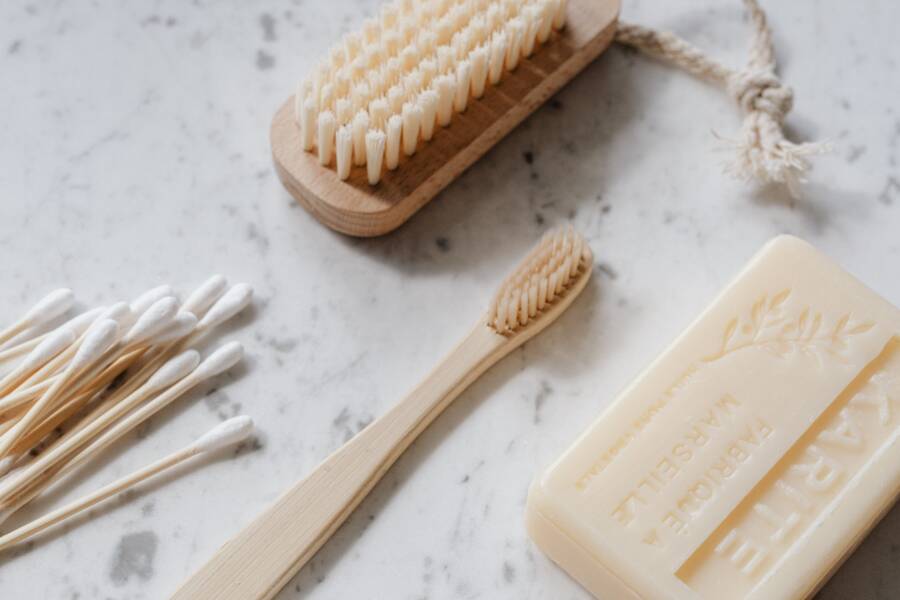
Yes, bar soap can make some stains harder to remove. Rinse the fabric promptly, use liquid laundry detergent instead, and keep the item out of the dryer until the mark is gone.
Bar soap sets certain stains permanently only under certain conditions. The stain, fabric, water minerals, and heat all affect the result. Still, understanding the cause helps you avoid turning a small spot into a lasting problem.
Why Bar Soap Sets Certain Stains Permanently in Laundry
True bar soap contains fatty acid salts. In hard water, those salts react with calcium and magnesium and form a poorly soluble film often called soap scum. That residue can hold soil, pigment, or oil against fabric fibers.
“Permanent” usually means much harder to remove, not chemically impossible to reverse. Alkaline soap can also alter some plant-based stains, while residue may trap greasy material after washing. Heat then locks the remaining material deeper into the fabric.
Soap and laundry detergent work differently
Laundry detergent contains surfactants that surround loosened oil and soil so water can rinse them away. Many detergents also include builders that reduce the effect of hard-water minerals. Bar soap lacks that same protection against soap scum.
For stain treatment, a modern laundry detergent is usually safer than a bar. This matters most with hard water and high-efficiency washers, which use less water for rinsing. Less rinse water leaves more opportunity for residue to stay behind.
Heat and harsh rubbing add damage
Hot water, a clothes dryer, and an iron can make a stain far harder to lift. Heat can set proteins such as blood, milk, and egg, while it can also bind dyes and pigments more tightly to fibers.
Aggressive rubbing creates another problem. It can push stain particles into the weave and roughen the fabric surface. Use cool or lukewarm water unless the care label calls for something else.
Stains Most Affected by Bar Soap
Bar soap doesn’t ruin every stain, but several types need more targeted treatment. Results depend on the soap formula, water hardness, fabric type, and whether the garment has already been heated.
Oil, makeup, and greasy food marks
Soap can loosen grease at first. However, in mineral-rich water, soap residue may redeposit with the oil and leave a dull ring or spread-out shadow. Makeup often contains oils, waxes, and pigments, which makes the problem more visible.
Apply a small amount of liquid detergent directly to a damp greasy mark instead. Work it in gently with your fingers, then wash according to the care label. A product labeled for grease removal can work well on cooking oil and cosmetics.
Tea, coffee, fruit, and protein stains
Tea, coffee, wine, and fruit contain natural pigments and tannins. Alkaline soap and heat can leave these stains darker or more noticeable, especially on pale cotton and linen. Rinse them promptly, then treat with detergent or an oxygen-based laundry product if the label permits it.
Blood, milk, and egg need cool water first because heat can alter proteins. Bar soap may remove some fresh residue, but it isn’t the most reliable choice. An enzyme-containing detergent is often better for washable fabrics.
How Hard Water Changes Bar Soap on Fabric
Hard water contains dissolved calcium and magnesium. When these minerals meet bar soap, they create a sticky deposit that does not rinse away easily. Towels, washcloths, and dark clothing often show the problem first.
Signs include grayness, stiffness, a greasy feel, or a darker outline around an old stain. The same buildup can collect inside a washing machine, which then transfers residue to later loads. Using the correct detergent amount and avoiding overloaded loads improves rinsing.
Why a stain can look darker after washing
Soap residue coats fibers and changes the way they reflect light. As a result, an existing stain can appear darker even when no new staining occurred. Rinse the area thoroughly before assuming the mark is permanent.
If the outline fades while the fabric is wet but returns when dry, residue may still be present. Rewash with detergent and plenty of water. Avoid adding more bar soap to the same spot.
Fabric and color make a difference
Cotton and linen can hold residue in their fibers, while textured fabrics trap it in tiny crevices. Wool and silk need extra care because strong alkaline products can damage their protein fibers. Leather and dry-clean-only garments should not be treated with bar soap.
Dyed fabrics can fade when treated with harsh cleaners. Test any product on a hidden seam first, then follow the garment’s care label. White fabrics may tolerate oxygen bleach, but colored items need a color-safe formula.
What to Do After Bar Soap Makes a Stain Worse
Act before the garment reaches the dryer. First, rinse from the back of the fabric with cool water to push away soap and stain material. Then apply a small amount of liquid laundry detergent and leave it on only as long as the product label directs.
Wash at the warmest temperature the care label allows. Inspect the garment while it is still damp, then repeat the treatment if needed. Air-dry it until the stain has disappeared.
A safe response for washable clothes
Repeated gentle treatment is safer than hard scrubbing or strong chemicals. Rinse, apply detergent, wash, and check the fabric in good light. If residue remains, repeat the same process rather than escalating immediately.
Never mix bleach with vinegar, ammonia, or other cleaners. Those combinations can create hazardous fumes or damage fabric. Use one product at a time and rinse thoroughly between treatments.
When home treatment should stop
Take silk, wool, leather, upholstery, and dry-clean-only clothing to a professional cleaner. Valuable garments and items with uncertain dye stability also need professional care. Tell the cleaner what caused the original stain and which products you already used.
Why Laundry Detergent Removes Most Stains Better
Laundry detergents use surfactants to lift oily soil and keep it suspended in wash water. Many formulas also contain builders for hard water and enzymes for proteins and starches. Some include oxygen-based ingredients that help break down colored stains.
This is why the claim that bar soap sets certain stains permanently has some truth in laundry care. Soap can leave residue under the wrong conditions, while detergent is designed to rinse clean. Still, product directions and fabric labels always control the safest method.
Match the cleaner to the stain
Use an enzyme detergent for many food, sweat, and body-fluid stains. Choose a grease-focused detergent for cooking oil, butter, and makeup. Use an oxygen-based laundry treatment only when its label says it is safe for the item.
Chlorine bleach is not a universal stain remover. It can weaken fibers, remove color, and react badly with certain materials. Save it for washable whites when the garment label permits it.
Prevent Soap Residue and Stain Problems
Keep bar soap away from routine laundry stain treatment. Instead, rinse fresh stains quickly and use a detergent that suits your water type. If your towels feel stiff or look dingy, hard-water residue may be part of the problem.
Avoid placing damp bar soap directly against clothing in a hamper or sink. Also, do not overload the washer, because crowded loads rinse poorly. Clean the washer according to its manufacturer instructions if buildup is visible.
Better uses for bar soap at home
Bar soap can still work for handwashing and some fresh marks on sturdy fabrics. Test it on a hidden area first, and rinse the fabric well afterward. Use a dedicated laundry product for heavily stained, delicate, or valuable items.
When a Stain Is Truly Permanent
Some marks remain because the fiber or dye has changed. Heat damage, dye transfer, rust corrosion, repeated chemical exposure, and fabric weakening can leave permanent evidence. In those cases, more treatment may cause greater damage.
Test the fabric before giving up
Rinse the garment, air-dry it, and inspect it in bright natural light. If the mark changes when wet, residue may still be present. If both color and texture remain unchanged after suitable treatment, the fiber may be damaged.
Bar soap can set or reveal stubborn stains through residue, hard-water reactions, alkaline conditions, and heat. Treat stains promptly with a fabric-safe detergent, rinse thoroughly, and never dry the garment until the mark is gone.