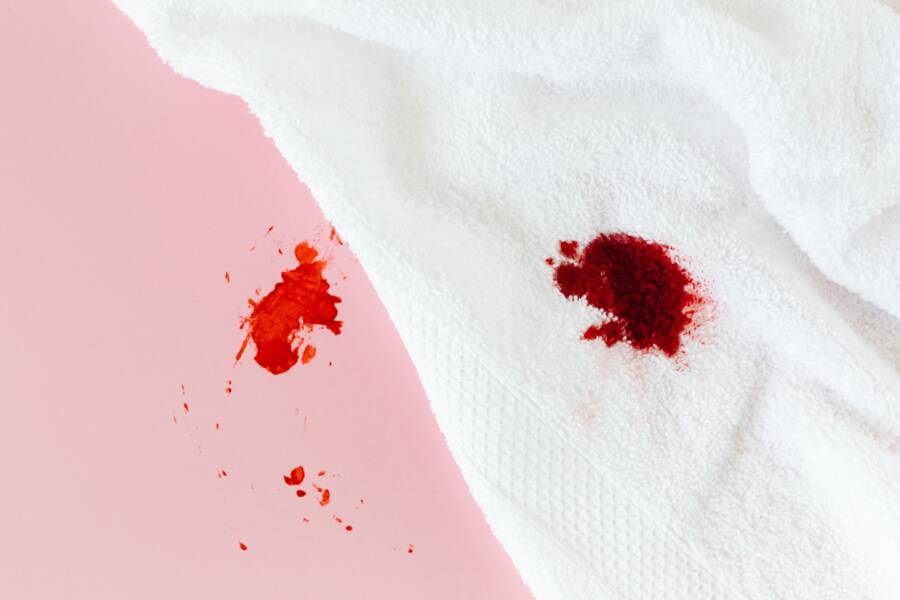
Soak the stained textile in ice-cold water immediately for fifteen minutes to loosen the protein bonds without cooking them into the fibers. Apply a drop of liquid dish soap directly to the spot, press gently with a clean white cloth, and rinse under a steady stream of cold running water until the pigment disappears.
Why Standard Washing Machines Ruin Delicate Lace
Standard washing machines destroy fine lace because their high-speed agitation cycles stretch open work past its breaking point. When a delicate heirloom garment spins inside a metal drum, individual threads catch on zippers or plastic agitators. This mechanical stress snaps old threads and turns a small stain into a ripped hole. Hand-washing remains the only safe method for fragile fabrics.
Warm and hot water cooks the iron and protein found in blood, bonding the stain permanently to synthetic or natural fibers. Once heat hits a blood spot, it transforms liquid protein into a solid substance that grips the thread tightly. This reaction turns a temporary blemish into a permanent mark. Always use cold water for every step of the cleaning process.
Fine lace features intricate patterns of open loops and gossamer threads that cannot withstand heavy friction. Machine tumbling forces these delicate motifs to twist, pull, and snap under heavy loads. Because vintage textiles often feature weak, aged fibers, even a single standard wash cycle can shred the material entirely.
Prepping Your Workspace and Gathering Safe Tools
Mild dish soap breaks down oils and lifts organic debris safely from fragile textiles without harsh bleaching agents. Keep a bottle of liquid dish soap, a bowl of ice-cold water, several clean white cotton towels, and a soft-bristled toothbrush nearby. Avoid colored towels because their dyes can bleed onto wet lace during the cleaning process.
Lay a dry white cotton towel flat on a sturdy table to absorb excess moisture and catch lifted pigment as you work. Place the stained lace directly on top of this absorbent surface. This setup prevents the wet fabric from sticking to your work area and stops the blood from transferring to other parts of the garment.
Hydrogen peroxide acts as a mild oxygen bleach for stubborn spots, but it requires careful dilution to protect antique threads. Always test a hidden corner of the garment with a diluted solution before treating the main stain. If the fabric changes color or weakens during the test, stick strictly to cold water and dish soap.
Step by Step Guide to Removing Blood From Lace Without Tearing It
Submerge the stained section of the lace in a bowl filled with ice-cold water for at least twenty minutes. Cold water hydrates the dried proteins, allowing them to release their hold on the delicate threads. Do not use warm water at this stage, or the stain will set permanently into the weave.
Press down vertically on the wet stain using a clean white cloth instead of rubbing the fabric back and forth. Scrubbing creates friction that frays delicate open work and tears the threads apart. Lifting the pigment with a gentle vertical motion pulls the stain out of the weave safely.
Rinse the treated area thoroughly under cold running water to wash away loosened debris and soap residue. Hold the fabric carefully with both hands to support its weight so the water pressure doesn’t pull the threads. Press the damp lace between two clean towels to remove excess water without wringing or twisting it.
Dealing With Stubborn Dried Spots on Vintage or Heirloom Lace
Mix one part three percent hydrogen peroxide with two parts cold water in a small glass container. Apply this diluted mixture directly to the dried blood spot using a clean cotton swab. Let the solution sit for five minutes while it fizzes against the protein residue.
Enzymatic cleaners break down organic proteins safely without the bleaching risks associated with harsh chemical agents. Apply a tiny drop of liquid laundry detergent containing active enzymes directly to the stubborn spot. Let it rest for ten minutes before rinsing it away with cold water.
Antique lace requires extra caution because age weakens the structural integrity of flax, cotton, and silk threads. Check the fabric frequently during the treatment process to make sure the fibers aren’t separating. Stop immediately if the threads show any signs of fuzzing or thinning.
Safe Air Drying and Reshaping Techniques
Pin the damp lace gently to a padded board covered with a clean white sheet to restore its original symmetry. Insert rust-proof stainless steel pins through the outer edges of the pattern loops without piercing the threads. Let the textile dry completely in a shaded room away from direct sunlight or heat vents.
Store your clean lace in acid-free tissue paper inside a breathable cotton storage box to prevent yellowing and fiber degradation over time. Keep the storage container in a cool, dry closet away from humid areas like basements or attics. Avoid plastic bags because they trap moisture and cause the fragile threads to rot.