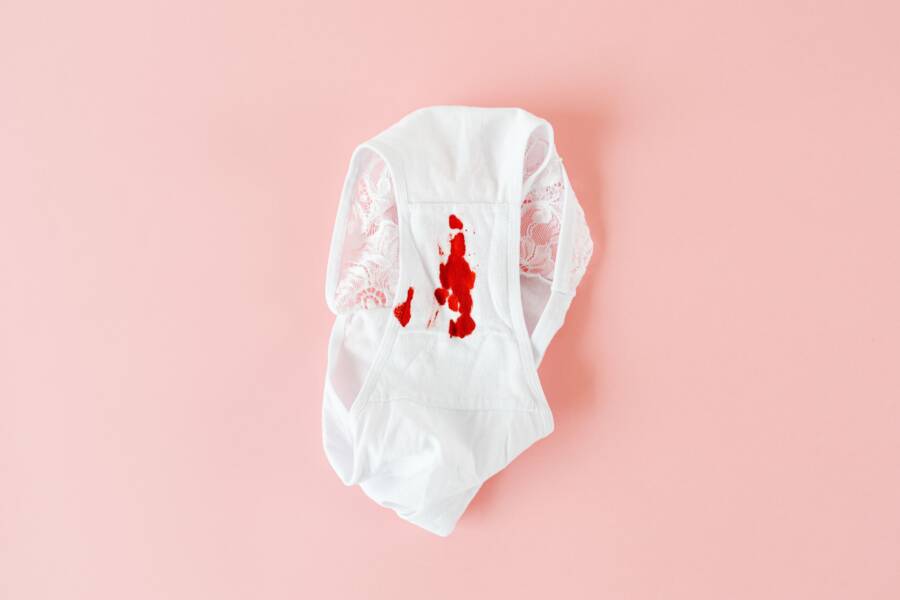
Blot fresh blood using a clean cloth dampened with cold water and hydrogen peroxide, then dry the area quickly with a hairdryer on a cool setting. Microfiber demands precise moisture control because synthetic strands trap minerals and moisture unevenly. Treating organic proteins on sensitive upholstery requires specific steps to avoid permanent rings. Traditional cleaning methods often ruin the fabric texture by leaving visible water lines. Understanding the unique material science behind these textiles helps you remove the stain safely.
Why Microfiber Water Spots So Easily
Synthetic polyester and polyamide fibers create a dense weave that repels most liquids on contact. However, once moisture penetrates the backing, the drying process becomes complicated. Water molecules pull dissolved minerals outward as they evaporate. These minerals concentrate at the edges of the wet zone and form rigid rings. Standard cleaning fluids make this problem worse because they disrupt the tension of the fabric weave.
The Problem with Tap Water Minerals
Municipal tap water contains dissolved calcium and magnesium. These hard minerals do not evaporate along with the liquid. Instead, they crystallize on the surface of the synthetic fibers. Each microscopic mineral crust reflects light differently than the surrounding clean fabric. This creates a chalky ring that remains visible even after the organic stain is gone. Using pure distilled water prevents this mineral buildup entirely.
How Synthetic Fibers Trap Residue
Microfiber strands are split into tiny filaments that create millions of microscopic pockets. These pockets hold onto soap, organic matter, and liquid residue with capillary action. Traditional cotton towels absorb spills easily, but synthetic textiles hold onto moisture internally. When blood enters these tight spaces, the proteins bind to the plastic fibers. Rushing the removal process pushes the mixture deeper into the foam padding underneath.
Safe Methods to Treat a Blood Stain on Microfiber That Water-Spots Easily
Lifting organic proteins without soaking the material requires precise chemical action and minimal liquid. Hydrogen peroxide breaks down blood bonds through oxidation without bleaching most synthetic dyes. Apply this solution locally using a cotton swab instead of pouring it directly onto the upholstery. Controlling the volume of liquid stops rings from forming during the treatment phase.
Using Hydrogen Peroxide and Cold Water Sparingly
Mix equal parts cold water and three percent hydrogen peroxide in a small bowl. Dip a cotton swab into the solution and blot the stained area gently from the outside inward. Cold water stops the blood proteins from setting permanently into the synthetic weave. Blot the dissolved residue immediately with a dry white cloth to extract the loosened material. Repeat this process until the red color transfers completely to the cloth.
The Dry Cornstarch Paste Technique
Fresh spills respond well to absorbent powders that draw moisture out of the tight weave. Mix cornstarch with a few drops of cold water to form a thick paste. Spread this paste directly over the remaining moisture and let it dry completely for thirty minutes. The powder absorbs the loosened blood proteins as it hardens. Vacuum the dried residue away with a soft brush attachment to reveal clean fibers underneath.
Step-by-Step Removal Process Without Causing Rings
Cleaning sensitive upholstery requires a strict sequence of small, controlled actions. Start by vacuuming loose debris from the surface around the affected area. Prepare your cleaning solutions and testing tools before touching the fabric. Working methodically prevents the moisture from spreading into dry sections of the furniture.
Blotting Instead of Rubbing
Never rub a wet microfiber surface because friction distorts the delicate pile. Rubbing twists the synthetic fibers and mashes the blood deeper into the backing material. Press a clean microfiber cloth straight down onto the spot to absorb liquid. Lift the cloth vertically instead of dragging it across the fabric. This vertical motion extracts the stain without damaging the texture of the nap.
Controlling the Drying Speed
Uneven drying creates the dreaded water rings on sensitive synthetic materials. Plug in a hairdryer and set it to the lowest heat and fan speed. Hold the nozzle at least six inches away from the upholstery. Keep the airflow moving constantly in small circles across the damp patch. Speeding up the evaporation prevents mineral deposits from settling into visible borders.
How to Fix Existing Water Rings on Your Upholstery
Mistakes happen during spot cleaning, and stubborn rings often appear after the fabric dries. Fixing these marks requires re-wetting the boundary line carefully. Distilled water acts as a blank slate because it contains zero mineral content. Softening the entire panel allows the moisture to evaporate uniformly without leaving a hard edge.
Blending the Edges with Distilled Water
Fill a spray bottle with pure distilled water and adjust the nozzle to a fine mist. Lightly spray a halo pattern around the outer edge of the old water ring. Do not soak the fabric, because you only need to dampen the immediate border. Feather the moisture outward into the dry fabric with a clean sponge. This technique softens the sharp line where the minerals previously crystallized.
Restoring the Soft Texture with a Soft Brush
Synthetic fibers flatten out and clump together during wet cleaning treatments. Let the fabric dry completely before attempting any texture restoration work. Grab a soft-bristled brush or a clean nylon scrub brush. Sweep the bristles gently across the cleaned area in alternating directions. This mechanical action lifts the flattened filaments and restores the original plush feel.