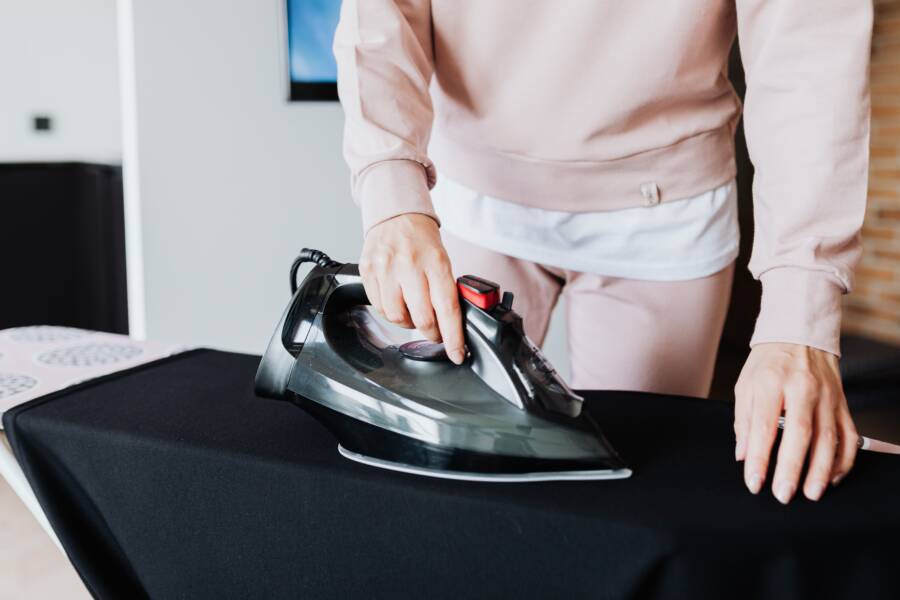
Shake the garment outdoors immediately to remove loose powder, and never use hot water or a heated dryer because heat melts the plastic particles permanently into the fibers. Printer toner is not a traditional liquid dye. It consists of finely ground plastic, carbon black, and coloring agents. When heat touches these microscopic polymer particles, they soften and bond directly to the textile weave.
Why Hot Water and Standard Washing Machines Ruin Toner Stains
Hot water acts as an activation agent for printer toner. Standard washing machine cycles use warm or hot water that raises temperatures enough to fuse the thermoplastic resin. Once that resin melts, it surrounds and traps the pigment inside the threads of your shirt or pants.
The Dangers of Heat in the Dryer
Tossing a toner-stained garment into an electric or gas dryer finishes the destruction. The high tumble heat bakes the melted plastic deep into the core of the fabric. At that stage, professional dry cleaners struggle to reverse the damage, and the stain usually remains visible forever.
How to Remove Printer Toner From Clothing Using Cold Water and Dish Soap
Cold water keeps the plastic resin solid while you work it out of the textile. Liquid dish soap breaks down oily binders that hold the powder together.
Lay the stained clothing flat on a clean surface outdoors or over a utility sink.
Pour a few drops of liquid dish detergent directly onto the toner mark.
Work the soap into the fibers gently using your fingers or a soft-bristled brush.
Flush the area with a steady stream of ice-cold tap water until the suds run clear.
Brushing Off Excess Powder Before Liquid Touches Fabric
Adding moisture to a massive pile of loose toner creates an instant paste that spreads across the garment. You must remove every trace of dry powder before applying any liquid cleaner. Take the clothing outside and shake it vigorously. Follow this step by brushing the surface gently with a dry, soft brush to lift trapped dust from the weave.
Rinsing From the Reverse Side of the Fabric
Turning the garment inside out before rinsing changes how water interacts with the stain. Flushing the back of the fabric pushes the toner particles outward along the path they entered. If you rinse from the front, the water pressure drives residual powder deeper into the threads.
Using Rubbing Alcohol for Stubborn Toner Marks
Isopropyl alcohol dissolves the polymer components without harming most standard fabrics. Pour a small amount of seventy percent rubbing alcohol onto a clean white cloth or cotton ball. Dab the stain repeatedly instead of rubbing it, because rubbing pushes the pigment across a wider area.
Testing for Fabric Colorfastness First
Chemical solvents react unpredictably with certain synthetic dyes and delicate materials. Dip a cotton swab into your rubbing alcohol and press it against an inside seam or hem. Wait two minutes, then press a white paper towel against the spot to check for dye transfer. Proceed with the treatment only if the fabric color remains stable on the test area.
Safe Solvent Alternatives When Alcohol Fail
Commercial dry cleaning solvents or specialized spot removers lift stubborn resin marks that resist soap and alcohol. Apply a small amount of dry cleaning fluid to a clean sponge. Blot the stain from the outside edges toward the center to prevent rings from forming on the fabric. Rinse the treated area thoroughly with cold water to remove chemical residue before laundering the garment normally.
Preventing Future Toner Spills During Cartridge Changes
Replacing printer cartridges requires steady hands and correct workspace habits. Lay newspapers or a disposable drop cloth across your desk before opening the printer housing. Wear disposable nitrile gloves to keep loose powder off your skin and fingernails. Handle the cartridge by its plastic handles and avoid touching the drum unit where residual dust collects.