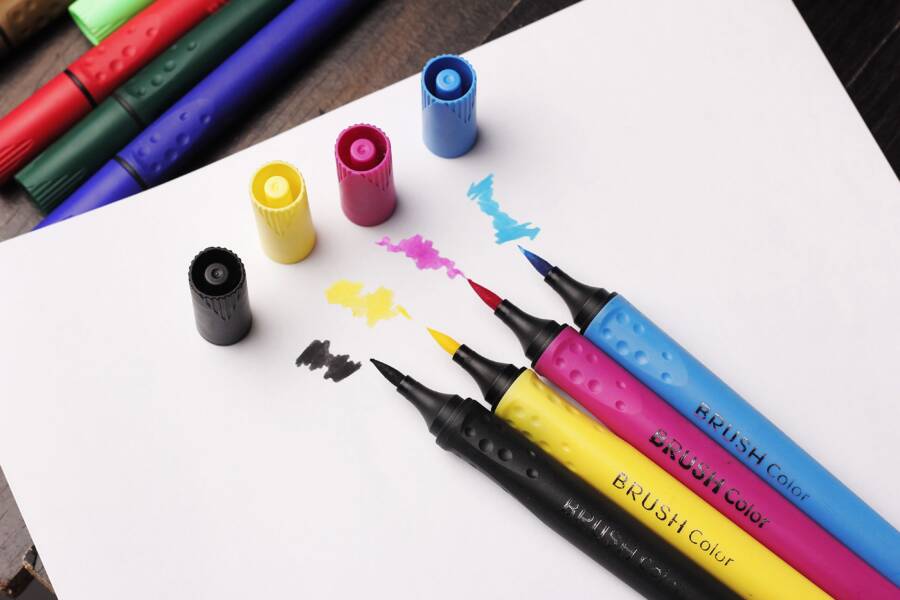
Blot the stain immediately with a clean cloth soaked in isopropyl alcohol, working from the outside edges inward to prevent spreading. Permanent marker ink bonds aggressively to synthetic textiles, meaning quick action dictates whether your garment survives the accident. You don’t need fancy commercial stain removers to rescue your clothes from a stray marker stroke. Common household solvents break the chemical bonds holding the pigment to the fabric without destroying the threads.
Why Polyester Requires Special Care for Ink Stains
Polyester demands careful handling because it isn’t a natural fiber like cotton or wool. Standard laundry routines often fail on synthetic materials because of how these textiles absorb and hold colored pigments. Understanding the underlying chemistry helps you choose the right solvent instead of ruining your favorite shirt with harsh scrubbing or incorrect water temperatures.
The Synthetic Fiber Structure
Polyester is a manufactured polymer created from petroleum-based products. These plastic fibers feature a tight, non-porous weave that repels water but eagerly absorbs oil-based compounds. Permanent markers use oil or alcohol carriers to transport dye deep into these tiny plastic channels. Once the liquid evaporates, the pigment molecules become trapped inside the polymer matrix. Standard laundry detergent cannot penetrate this trap on its own, so you need a specialized solvent to dissolve the carrier fluid and release the pigment.
Risks of Using Hot Water on Synthetic Fabrics
Hot water is the enemy of synthetic ink stains because heat acts as a chemical catalyst. Raising the temperature causes the polyester fibers to soften and expand slightly. As the plastic opens up, it grips the marker pigment even tighter and locks the color into the weave permanently. Once heat sets an ink stain, removing it becomes nearly impossible. Always stick to cold water rinses and room-temperature solvents until the pigment is completely gone from the fabric.
Step by Step Guide on How to Remove Permanent Marker From Polyester
Isopropyl alcohol is your primary weapon against stubborn ink stains on synthetic clothing. This solvent breaks down the oily binders in permanent markers so the pigment lifts away from the fabric easily. Following a methodical sequence ensures you extract the ink rather than spreading it across a larger area of the garment.
Preparing Your Workspace and Testing the Fabric
Place several layers of clean paper towels directly beneath the stained area of the fabric. These towels act as a blotter to catch the dissolved ink as it passes through the material. Dab a tiny drop of rubbing alcohol on an inside seam of the garment to check for colorfastness. If the fabric dye bleeds onto your test cotton swab, stop immediately. Otherwise, proceed to the main treatment phase with confidence.
Applying the Solvent Correctly
Dip a fresh cotton ball or a cotton swab into ninety-nine percent isopropyl alcohol until it is saturated. Press the damp cotton firmly against the marker stain without rubbing the fabric surface. You will notice the ink immediately start to bleed downward into the paper towels below. Switch to a clean cotton ball frequently as the old one absorbs the lifted pigment. Continue this Dabbing motion until no more color transfers from the polyester to the cotton.
Alternative Household Solutions for Stubborn Marks
Rubbing alcohol handles most marker accidents, but stubborn stains sometimes require a secondary chemical approach. Everyday household items like nail polish remover and dish soap offer reliable backup when standard solvents fall short. Each alternative requires specific handling to protect the synthetic fibers from chemical damage.
Using Acetone Free Nail Polish Remover Safely
Acetone dissolves standard polyester instantly, turning your shirt into a ruined mess of melted plastic. Check the ingredient label of your nail polish remover to confirm it uses ethyl acetate or another non-acetone formula. Apply a small amount of the safe remover to a clean cloth and blot the remaining marker pigment gently. Rinse the fabric thoroughly with cold water immediately afterward to halt any residual chemical action on the threads.
Leveraging Dish Soap and Vinegar Mixtures
Mix one tablespoon of liquid dish soap with one tablespoon of white vinegar and two cups of cold water in a small bowl. Dip a soft-bristled toothbrush into the cleaning solution and work it into the stain using circular motions. The acid in the vinegar breaks down lingering dye molecules while the soap lifts the loosened residue. Let the mixture sit on the fabric for ten minutes before rinsing it away with cold running water.
Mistakes to Avoid During the Cleaning Process
Panic leads to careless errors that turn a temporary stain into permanent clothing damage. Avoid scrubbing the fabric aggressively with a stiff brush because friction frays delicate polyester filaments. Never toss the stained garment into a heated clothes dryer before you inspect the results of your cleaning efforts. The extreme heat of a drying cycle acts just like hot water, baking any remaining pigment into the synthetic threads forever. Always let the item air dry until you are entirely certain the stain is gone.
Conclusion
Flush the treated area thoroughly with cold water to wash away all chemical residues and loosened pigment particles. Check the fabric in bright natural light to confirm the marker is completely gone before proceeding. Hang the garment up to air dry completely in a well-ventilated area. Addressing synthetic fabric mishaps requires patience and the right solvent choice to restore your clothes safely.