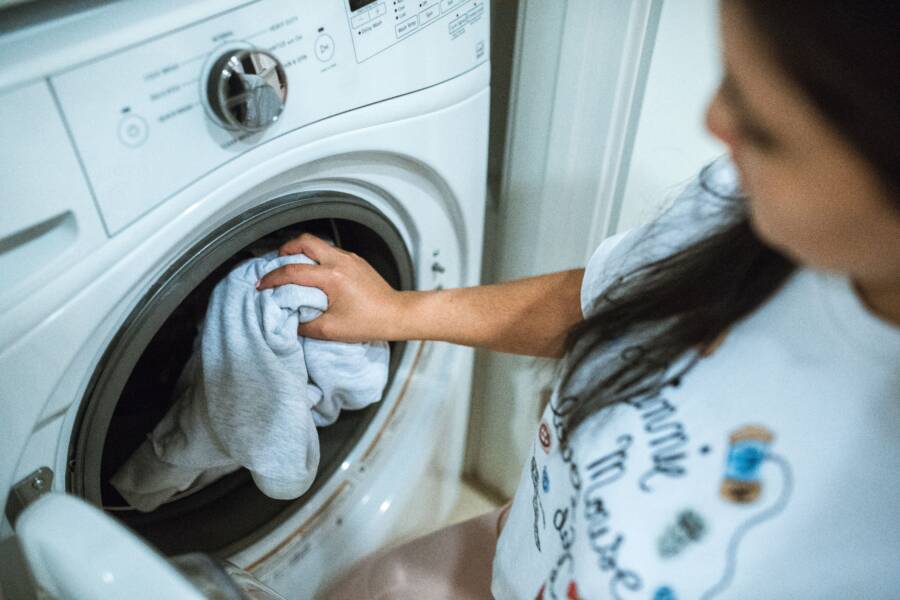
Treat a grease spot immediately by blotting up excess oil with a clean paper towel and applying a drop of liquid dish soap directly to the fabric. Scrubbing a fresh oil spill pushes the liquid deeper into the weave, so press gently and work from the outside edges toward the center. This quick first step breaks surface tension before the oil bonds permanently to natural or synthetic threads.
Why Common Household Items Save the Day
Kitchen pantries contain powerful degreasing agents that match the performance of commercial laundry detergents. Dish soap breaks down lipid bonds using surfactant molecules that latch onto oil and water simultaneously. Baking soda and cornstarch act as porous sponges that draw liquid out from microscopic gaps between fibers. These items lift oil safely without requiring a mechanical washing machine cycle or harsh bleaching agents.
Using Dish Soap for Quick Oil Breakdown
Squeeze a pea-sized drop of blue Dawn dish soap directly onto the stained fabric area. Rub the soap gently into the material using your thumb in a circular motion until a light lather forms. Let the treated garment sit undisturbed for about thirty minutes so the surfactant formula penetrates the oil. Rinse the spot thoroughly with warm tap water to wash away the loosened residue.
Applying Baking Soda or Cornstarch to Absorb Moisture
Lay the stained clothing flat on a clean table and cover the greasy patch with a thick layer of baking soda or cornstarch. Press the powder down lightly so it makes full contact with the wet oil droplets. Leave the powder on the fabric for an hour while it draws the moisture upward. Brush away the clumped powder using a soft-bristled brush and inspect the material for remaining discoloration.
How to Get Grease Out of Clothes Without a Washing Machine
Hand-washing handles targeted oil removal when a machine is unavailable or the fabric requires delicate care. Fill a clean basin with warm water and mix in a teaspoon of mild liquid detergent. Submerge the garment completely and work the soapy solution through the stained section using your fingers. This method gives you direct control over pressure applied to delicate items like silk or wool.
The Soak and Scrub Method in the Sink
Set your sink water temperature to warm because heat softens stubborn fats and oils. Submerge the garment for ten minutes to relax the fabric fibers. Rub the stained fabric against itself gently to release the trapped oil without stretching the knit or weave. Pay close attention to collars and cuffs where body oils accumulate heavily.
Rinsing and Air Drying Properly
Hold the treated area under a running stream of lukewarm tap water until all soap bubbles disappear completely. Press the fabric gently between two dry towels to extract excess moisture instead of wringing it aggressively. Inspect the wet garment in bright light because grease patches appear darker when damp. Lay the clothing flat on a drying rack and avoid using a heated dryer until you confirm the stain is completely gone.
Advanced Quick Fixes for Stubborn Stains
Older oil spots require stronger solvents to break down polymerized fats that resist simple dish soap. White vinegar cuts through heavy grease films while neutralizing sour odors trapped in the fabric. Rubbing alcohol dissolves synthetic oils rapidly without leaving water rings on delicate materials. Keep these alternative agents on hand for kitchen spills that survive initial soap treatments.
Using Rubbing Alcohol on Synthetic Fabrics
Dampen a clean cotton ball with seventy percent isopropyl alcohol and dab it carefully over the stubborn stain. Polyester and nylon fibers resist harsh scrubbing, so let the alcohol sit on the surface for five minutes to dissolve the oil. Blot the area with a dry paper towel to lift the dissolved grease away from the fabric weave. Repeat this process until the cotton ball shows no further discoloration.
Applying White Vinegar for Tough Food Oils
Mix equal parts white vinegar and warm water in a small bowl for heavy cooking oil mishaps. Sponge the vinegar solution directly onto the greasy spot using a clean cloth. Let the acid break down the thick lipid layer for fifteen minutes before rinsing the garment in cold water. This technique works especially well on cotton blends that hold onto heavy butter or salad dressing spills.