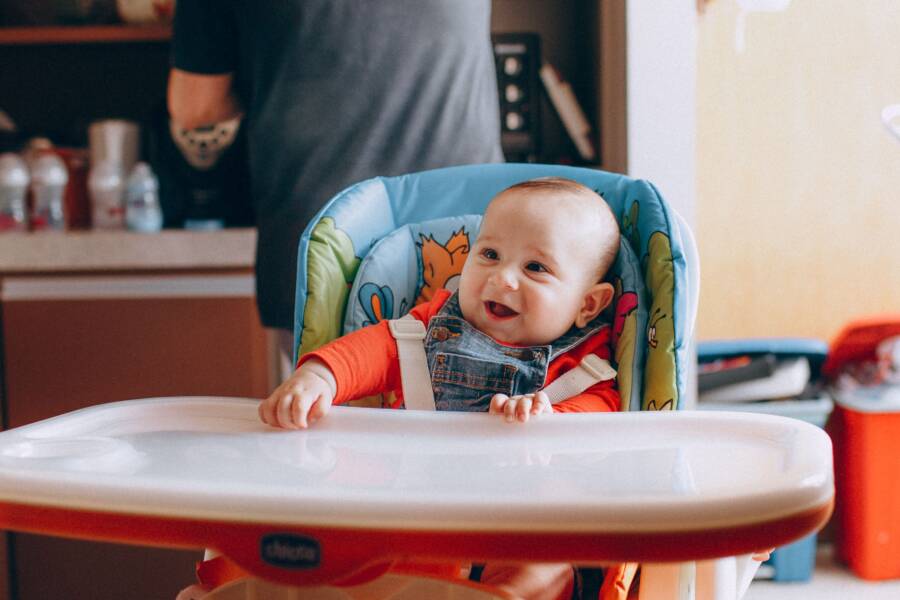
Scrape away the fruit, rinse the stain from the back with cold water, then apply liquid laundry detergent before washing. To remove blueberry from a high chair cushion, work while the stain is fresh and follow the cushion’s care label before choosing any cleaner.
Fresh blueberry marks usually respond faster, but dried stains can still fade after several gentle treatments. The cushion material matters too, especially when it has a waterproof coating, vinyl surface, or attached foam. Start with the least aggressive method below.
How to Remove Blueberry From a High Chair Cushion Without Setting the Stain
First, lift any pieces of blueberry with a spoon. Don’t drag the fruit across the fabric. Place a clean white cloth behind the stained area, then blot the surface to absorb loose juice.
Next, flush the mark with cold water from the back of the fabric. This pushes the berry residue toward the front instead of driving it farther into the fibers. Apply a small amount of liquid laundry detergent, leave it for 5 to 10 minutes, and rinse with cold water.
Wash the cushion or cover according to its care label. Hot water, direct heat, and hard scrubbing can make the stain more difficult to remove. Heat may set the berry pigment, while rubbing can spread it through the fabric or damage a coated surface.
Gather These Supplies Before You Start
Keep a spoon, clean white cloths, cold water, liquid laundry detergent, a soft toothbrush, and a dry towel nearby. White materials help you see the stain and prevent colored dye from transferring onto the cushion.
Check the manufacturer’s care label first. It may specify machine washing, spot cleaning, air-drying, or restrictions on bleach and other cleaners. If the label says “wipe clean only,” don’t soak the cushion or run water through it.
Test the Cleaning Solution on a Hidden Spot
Apply a small amount of the planned cleaner to an unseen area, such as the underside or the back edge. Let that spot dry completely before treating the visible stain.
Look for color loss, water marks, fabric damage, or a change in the cushion’s coating. If the test area changes, use plain water and contact the manufacturer for material-specific guidance.
Clean a Removable High Chair Cushion in the Washing Machine
Remove the cover if the design allows it, and check the seams for trapped fruit. Pre-treat the blueberry mark with liquid laundry detergent, then let it sit for 5 to 10 minutes. Avoid adding extra detergent in the hope of getting better results.
Wash the cover on the coolest suitable cycle listed on the care label. Use the regular amount of detergent and keep the cover separate from heavily stained laundry when possible. A gentle cycle may be appropriate for coated fabric or delicate stitching, but the label takes priority.
Inspect the cover while it’s still damp. If any blue or purple color remains, air-dry the cover and treat it again. Don’t place it in a dryer until the mark is gone because heat can set the remaining pigment.
What to Do When the Stain Is Still Visible After Washing
Repeat the liquid detergent treatment once or twice, rinsing thoroughly after each attempt. Several mild treatments are safer than one harsh application, especially on printed fabric or waterproof material.
For a washable, bleach-safe cover, a color-safe oxygen bleach solution may help with a stubborn mark. Follow the product directions for dilution and soaking time, then rinse the cover completely. Never use chlorine bleach unless the manufacturer specifically permits it.
Remove Blueberry From a Cushion That Cannot Be Removed
A permanently attached cushion or foam pad needs controlled spot cleaning. Mix a small amount of mild liquid detergent with cold water, dampen a white cloth, and wring it out well. The cloth should be damp, not dripping.
Work around the outer edge of the stain and move toward the center. This limits spreading. Blot instead of rubbing, and use a soft toothbrush only on durable fabric when the care label allows gentle brushing.
After the detergent lifts the mark, blot the area with a clean cloth dampened with plain water. This removes soap residue. Press dry towels over the spot to draw out moisture, and avoid soaking the foam.
Dry the Cushion Completely to Prevent Odors and Mold
Press fresh towels over the cleaned area until they no longer pick up much moisture. Then place the cushion in a well-ventilated area and let it air-dry fully.
Turn or prop up the cushion only when doing so is safe and won’t damage the high chair. Airflow should reach the seams and underside as well as the top surface. Don’t return a damp cushion to the chair because trapped moisture can cause odors and mold growth.
Treat a Dried or Set-In Blueberry Stain
Start by loosening dry residue with the edge of a spoon or a soft, dry brush. Moisten the stain with cold water, then apply liquid laundry detergent directly to the mark. Let it sit for 10 to 15 minutes before blotting from the outside toward the center.
Rinse with cold water and inspect the fabric in good light. Repeat the process if the stain has faded but remains visible. Old berry marks often need more than one treatment, while aggressive scrubbing can harm printed or coated high chair fabrics.
Use Color-Safe Oxygen Bleach Only When Allowed
Color-safe oxygen bleach can help a stubborn stain on a washable cover that the care label identifies as bleach-safe. Mix and use it exactly as directed on the package. Rinse the cover thoroughly after treatment.
Chlorine bleach is different and can damage fabric, weaken stitching, or leave uneven discoloration. Keep both products away from children, food, and the high chair until the surface has been rinsed and dried.
Choose the Right Cleaner for the Cushion Material
Material should determine the cleaning method rather than the stain alone. Most washable fabric covers tolerate mild liquid detergent, while coated or wipe-clean surfaces usually need diluted soap and a damp cloth.
Vinyl, waterproof finishes, foam, and cushions labeled “spot clean only” need extra care. Don’t flood these materials or use a stiff brush. If the surface becomes tacky, cloudy, cracked, or discolored during testing, stop and use the manufacturer’s instructions.
Never mix cleaning products. Combining bleach with acids or other household cleaners can create dangerous fumes and may damage the cushion.
When Household Remedies Can Cause More Damage
Avoid hot water, undiluted vinegar, hydrogen peroxide, abrasive powders, and chlorine bleach unless the care label confirms compatibility. Acidic or oxidizing substances can fade dyes, weaken fibers, or damage a waterproof coating.
A homemade remedy can also leave a lighter patch than the original blueberry stain. Mild detergent and cold water provide a more controlled first treatment for most washable fabrics.
Avoid These Mistakes When Cleaning a High Chair Cushion
Rubbing, applying heat too soon, and over-wetting foam are common causes of worse stains or lingering odors. Skipping a hidden-area test can also lead to color loss or coating damage.
Don’t put a stained cover in the dryer, even if the fabric feels clean at first. Check the seams, straps, and underside before drying because berry juice can travel beyond the obvious mark.
Keep every cleaning product out of a child’s reach. After cleaning a food-contact surface, rinse away detergent residue and let the cushion dry completely before use.
Make Future Blueberry Spills Easier to Clean
A washable bib can catch some berry juice, but it won’t replace prompt cleaning. Wipe spills as soon as possible with a damp white cloth, and keep that cloth nearby during meals. Immediate blotting reduces the amount of juice that reaches the fabric.
Follow the cushion manufacturer’s cleaning schedule and inspect hidden areas during routine care. Check the seams, straps, underside, and corners because blueberry juice can collect in places that aren’t visible from above.
Conclusion
To remove blueberry from a high chair cushion, lift away solids, use cold water, apply liquid laundry detergent, rinse thoroughly, and air-dry before checking the result. A removable cover can receive another treatment, while an attached cushion needs limited moisture and careful drying.
Follow the care label for every cleaning choice, and keep heat away until the stain has disappeared. Careful, repeated treatment is safer than using a harsh product once.