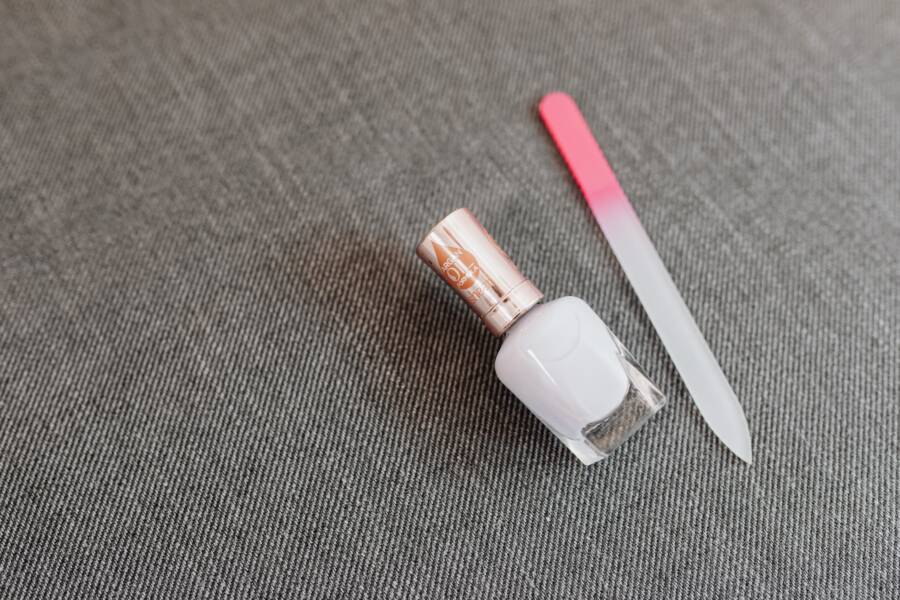
Stop rubbing nail polish on a carpet because pressure pushes wet polish between carpet fibers and increases the stained area. Lift pooled polish with a spoon or dull edge, then blot from the outside toward the center.
The safest cleanup depends on whether the polish is wet or dry, which fiber makes up the carpet, and whether its dye stays colorfast. Quick, controlled lifting causes less damage than force, so start with the stain’s physical behavior.
Why nail polish on a carpet spreads when you rub it
How pressure pushes polish between carpet fibers
Wet nail polish contains liquid solvents mixed with resins and pigments. When you press a cloth into it, the liquid moves between nearby fibers and can reach the carpet backing.
Carpet fibers form narrow spaces that hold liquid. A back-and-forth cloth motion pushes polish through those spaces instead of removing it.
Blotting creates brief upward pressure, so the cloth absorbs a small amount at a time. Rubbing creates sideways pressure, which carries polish into clean fibers.
Why friction increases the size of the stained area
Friction loosens wet polish from the original spot and transfers it to surrounding fibers. Each pass can leave a thin layer where the carpet was previously clean.
A pale smear may look less intense than the original drop, but it covers more material. That larger area can take longer to treat and may leave an obvious outline.
The cloth also becomes coated with polish during rubbing. Once that happens, every new stroke can redeposit color instead of lifting it.
Why dried polish behaves differently
Dried polish forms a hard film around the fibers. Rubbing can crack that film into flakes and press the fragments farther down.
A dry spot needs careful scraping before any liquid treatment. Scrubbing first can roughen the carpet while leaving the main residue attached.
Wet polish spreads through pressure; dried polish breaks into pieces under friction. The first response must match the stain’s condition.
What to do in the first few minutes after a polish spill
Lift the excess without dragging it
Keep people and pets away from the area immediately. If the spill is pooled, use a spoon, dull butter knife, or plastic card to collect the excess.
Hold the tool at a shallow angle and lift upward. Don’t wipe across the carpet, and don’t use a sharp blade that could cut the fibers.
Place the collected polish on disposable paper rather than returning it near the carpet. If the rug can move, put a white towel underneath it before treating the spot.
Blot with a white absorbent cloth
Use a white paper towel or white cotton cloth because colored fabric may transfer dye. Press the cloth onto the stain, hold it briefly, and lift it straight up.
Work from the outer edge toward the center. This inward pattern limits contact between the wet polish and unaffected carpet.
Replace the cloth as soon as it picks up color. A clean section absorbs more effectively and reduces the chance of transferring polish back.
Protect the carpet from a spreading cleanup ring
Cover nearby clean carpet with additional white towels. The towels catch accidental drips and give you a clean boundary around the stain.
Use small amounts of cleaning liquid rather than soaking the spot. Excess moisture can dissolve polish and move it into the backing.
Pause after each short blotting cycle and inspect the area. The stain should become smaller or lighter, not wetter and wider.
How to remove wet nail polish without making the carpet worse
Test the carpet before using acetone or remover
Acetone and nail polish removers can affect dyes, synthetic fibers, latex backing, or carpet adhesives. Their formulas also differ, so the product label matters.
Test a tiny amount in a hidden area, such as beneath furniture or along an edge. Let the test section dry fully, then check for fading, bleeding, stiffness, or texture changes.
Stop immediately if the test changes the carpet. Solvent choice must account for the fiber, backing, dye, and ventilation in the room.
Use small amounts and fresh sections of cloth
Dampen a white cloth with the tested product instead of pouring remover directly onto the carpet. The cloth should feel moist, not saturated.
Press the cloth onto the polish for a few seconds, then lift it. Move to a clean section after each blot so removed color doesn’t return to the fibers.
Repeat in short cycles and allow the area to dry between checks. The goal is to transfer polish into the cloth, not dilute it across the carpet.
Rinse away residue and dry the area
If the carpet maker allows water rinsing, use a cloth lightly dampened with clean water. Press it over the treated spot to pick up leftover remover.
Blot the moisture with a dry white towel. Residual solvent or polish can attract soil if it remains in the fibers.
Let the area dry with ordinary airflow. Avoid heat, and don’t judge the final color until the carpet is completely dry.
Which carpet fibers can handle nail polish cleanup
Synthetic carpet fibers such as nylon and polyester
Nylon and polyester often tolerate some chemicals better than natural fibers. That doesn’t make every remover safe for every synthetic carpet.
Dyes, stain-resistant coatings, and backing materials may react before the visible fiber does. A hidden-area test remains necessary for nylon and polyester.
Read the carpet care label before applying any solvent. If the label is missing, treat the material as sensitive until its fiber content is confirmed.
Wool, cotton, and other natural fibers
Wool can lose color, become rough, or suffer surface damage under strong solvents. Cotton and other plant-based fibers can also show dye loss or an uneven texture.
Avoid applying acetone or strong remover to natural-fiber carpet without approval from the manufacturer or a qualified cleaner. Blotting with a compatible carpet product is safer than testing an aggressive chemical first.
Handmade and antique rugs need extra caution because their dyes and fibers may not be stable. A small visible mark can become worse through an untested treatment.
Carpet backing, padding, and adhesive risks
Liquid poured onto carpet can pass through the pile and reach latex, glue, padding, or the floor below. Solvent damage may appear later as stickiness, separation, or discoloration.
A saturated spot also spreads beyond the visible surface. That makes a small spill harder to isolate and can create a ring around the original stain.
Keep all applications controlled at the cloth level. If the carpet feels wet underneath, stop home treatment and assess the backing.
How to remove dried nail polish from carpet fibers
Scrape and collect hardened flakes first
Use a dull plastic card or spoon for dried polish. Make short, shallow strokes and lift the flakes rather than digging into the pile.
Hold a vacuum nozzle nearby without pressing it against the carpet. You can also collect loose pieces by hand and discard them.
Never pull fibers that have bonded to the polish. Pulling can loosen tufts or leave a thin patch even after the color disappears.
Soften only the remaining residue
After scraping, test an approved remover in a hidden spot. Apply a small amount to a white cloth, then touch only the remaining film.
Let the product soften the residue before blotting. Several light treatments are safer than one forceful attempt.
Don’t soak the carpet or drag fibers stuck together by polish. Stop when the residue no longer transfers and reassess after drying.
Know when the polish has damaged the fiber
Surface residue can often be reduced with careful scraping and blotting. Permanent discoloration remains even after the residue has lifted.
Melted synthetic fibers may look shiny, flattened, or fused. Roughened wool may feel different from the surrounding pile.
More cleaning cannot restore a changed fiber texture. Stop treating the spot when damage appears, because additional solvent may enlarge it.
Cleaning products and tools that help without spreading the stain
Choose tools that lift instead of smear
A spoon or plastic card works for pooled or dried polish. White absorbent towels work better than scrub brushes because they lift color without adding friction.
Cotton swabs suit tiny spots and narrow edges. Use a spray bottle only for controlled clean-water application, never to flood the carpet.
Wear gloves when handling remover, and keep airflow moving through the room. Match the tool to the stain size instead of using a large wet sponge.
Use a product made for the carpet, not just the polish
Check the carpet care label and the cleaner label for fiber compatibility. A product that dissolves nail polish can still harm dye, backing, or adhesive.
Rubbing alcohol, solvent-based remover, and carpet cleaning products are conditional options. Use them only when the label permits them and a hidden test shows no change.
For nail polish on a carpet, the right cleaner is the one that removes the residue without altering the carpet. Stronger solvent doesn’t automatically mean better results.
Avoid dangerous combinations and poor ventilation
Never mix acetone, bleach, ammonia, alcohol, or other cleaners. Combining products can create hazardous vapors or unexpected reactions.
Open windows or use normal room ventilation during solvent treatment. Keep flames, heaters, children, and pets away from the area.
Close the product container after dampening the cloth. A capped bottle reduces vapor release and prevents another spill.
Mistakes that turn a small polish spot into a permanent mark
Rubbing, brushing, and scrubbing back and forth
Rubbing carries wet polish deeper and farther across the pile. Brushes can also fray fibers while spreading pigment into clean areas.
Press and lift instead of moving side to side. Work inward from the edge so each treatment stays within the existing mark.
Scrubbing dried polish creates flakes that can settle in nearby fibers. Scrape gently first, then collect every loose piece.
Using too much remover or water
Pouring liquid directly onto the carpet can push polish into backing and padding. Water can also spread dissolved color into a wider ring.
Use only enough product to dampen the cloth. If liquid runs, pools, or reaches the underside, you have applied too much.
Blot moisture with a dry towel after each treatment. Controlled moisture keeps the cleaning area smaller and easier to monitor.
Applying heat before the stain is gone
Heat can set remaining residue and soften some synthetic fibers. It may also spread solvent vapors through the room.
Don’t use an iron, hair dryer, or steam cleaner on the stain. Air drying is slower, but it avoids adding heat to an unstable spot.
Wait until the carpet dries before deciding whether another treatment is needed. A damp carpet can look darker than it will after drying.
When a nail polish carpet stain needs professional cleaning
Large spills and stains that reach the backing
A wide spill can exceed what surface blotting can remove safely. Deep contamination also needs assessment beneath the visible pile.
Professional cleaners can examine the backing, padding, and floor. They can choose a treatment that doesn’t push the stain farther down.
Call for help when the area remains wet underneath or spreads after blotting. Strong solvent odor is another reason to stop and ventilate.
Delicate rugs and carpets with unknown fibers
Stop before applying household solvent to wool, silk, antique, handmade, or unlabeled rugs. Fiber sensitivity and unstable dyes make quick experimentation risky.
A valuable rug needs controlled testing in an inconspicuous area. The cleaner should identify the fiber and dye behavior before selecting a product.
Tell the cleaner when the spill occurred and whether the polish dried. Also report every product already used on the spot.
Signs that home treatment is causing damage
Stop if you see dye transfer, fading, sticky backing, melted fibers, or a roughened surface. A stain that keeps expanding also means the method is failing.
Ventilate the room and keep people and pets away from wet chemicals. Don’t cover the spot with heat or additional products.
Give the cleaner the polish type, remover used, carpet fiber, and time since the spill. Those details help prevent a second incompatible treatment.
How to prevent nail polish spills from reaching the carpet
Create a safer nail-polish setup
Paint your nails at a table over a washable tray or mat. A thick plastic barrier gives spills less chance of reaching fabric or carpet.
Keep bottles, cotton pads, and remover away from the table edge. Avoid applying polish on a bed, sofa, or carpeted floor.
Close each bottle before reaching for another item. Store bottles upright when you’re finished so a loose cap doesn’t create a slow leak.
Keep a small spill kit nearby
Store white towels, a spoon or plastic card, gloves, and the carpet care instructions together. Keep the kit within reach of your nail-care area.
Having the right tools ready reduces panic rubbing. It also lets you lift a fresh spill before someone steps on it.
Check the carpet label before an accident occurs. Knowing the fiber and approved cleaners saves time when the polish is still wet.
Use the right response every time
Stop movement around the spill, lift excess polish, and blot inward. Replace the towel as soon as it becomes colored.
Test any solvent before using it on the visible spot. Stop if the carpet changes color, texture, or backing condition.
This response works because it limits pressure, friction, and excess moisture. Those three factors control how far polish travels.
Conclusion
Rubbing spreads nail polish by pushing wet product through and across carpet fibers. A quick lift followed by controlled blotting keeps the stain smaller than forceful scrubbing.
Use a solvent only after checking the carpet fiber, dye, backing, and product instructions. Test first, apply small amounts to a cloth, and let the area dry without heat.
Deep spills, delicate rugs, and carpets with visible fiber or backing damage need professional care. The safest response is controlled removal, not more pressure.