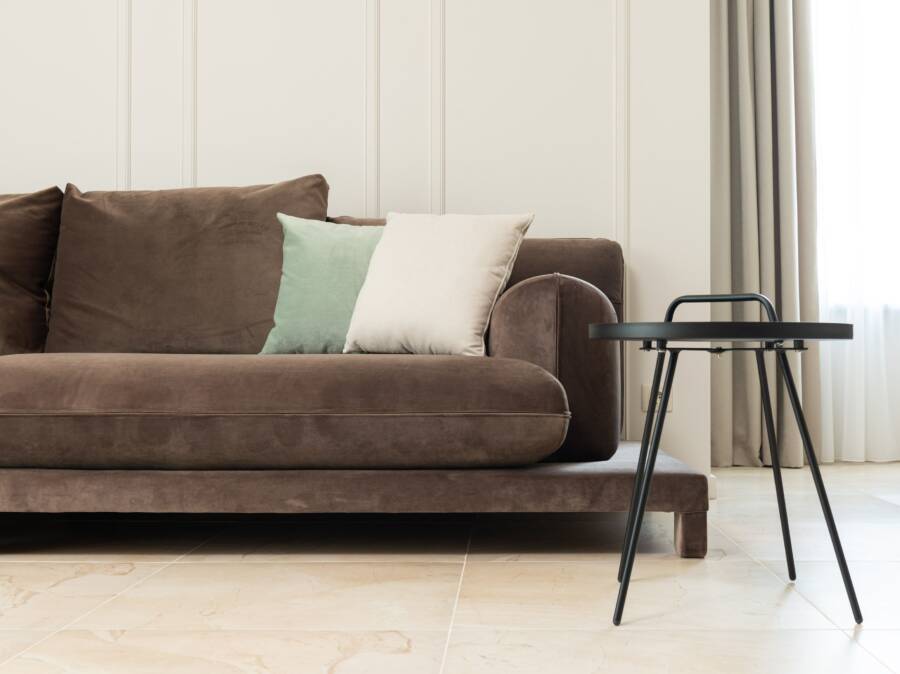
Blot fresh oil immediately with a clean, dry white paper towel to absorb excess liquid before it spreads. Sprinkle baking soda over the remaining spot and let it sit for twenty minutes to lift the grease from the synthetic fibers.
Why Cooking Oil Behaves Differently on Microfiber
Microfiber consists of a synthetic blend of polyester and nylon fibers. These man-made filaments are exceptionally fine and tightly woven, which creates a dense fabric matrix. Unlike natural materials such as cotton or wool, synthetic polyester repels water but readily attracts oil-based substances.
Spilled cooking oil coats these microscopic plastic strands instead of soaking into a central core. Because the individual fibers have a large surface area, grease travels quickly along the strands through capillary action. This behavior explains why a small drop of vegetable oil often turns into a much larger dark patch within minutes.
Standard water-based cleaners fail on this type of stain because oil and water do not mix. The grease molecules cling tightly to the polyester surface, requiring a solvent or surfactant to break the bond. Understanding this material structure helps you choose the correct approach for lifting the oil without damaging the surrounding fabric.
Gather Your Emergency Cleaning Supplies
Successful stain removal depends on having the right products ready before you touch the fabric. Gather dish soap, baking soda, rubbing alcohol, and several clean white microfiber cloths.
Choosing the Right Dish Soap to Break Down Grease
Dish soap contains surfactants designed to cut through stubborn kitchen grease. Select a clear or blue liquid dish soap, and avoid formulas that contain added moisturizers or heavy dyes. Colored dish soaps often leave secondary pigment stains on light-colored synthetic upholstery.
Selecting Safe Brushes and Cloths
Always use plain white or un-dyed microfiber cloths during the cleaning process. Colored rags can bleed their own dyes into the couch fabric when exposed to rubbing alcohol or solvents. Keep a soft nylon-bristled brush nearby for restoring the texture of the fabric later.
Step by Step Guide on How to Get Cooking Oil Out of a Microfiber Couch
Tackling a grease stain requires patience and a methodical approach to prevent spreading the oil. Start by removing all surface residue before applying any liquid cleaning agents.
Blotting Fresh Oil Spills Without Pushing Them Deeper
Press clean paper towels firmly against the oily spot without rubbing or scrubbing. Rubbing forces the oil deeper into the cushion foam and spreads the stain outward. Lift the paper towel, move to a dry section of the paper, and repeat the pressing motion until no more oil transfers.
Lifting Stubborn Grease with Baking Soda
Cover the remaining oily patch with a generous layer of baking soda. Allow the powder to sit undisturbed for fifteen minutes so it can absorb the trapped oil molecules. Vacuum the powder away using a brush attachment, and inspect the fabric to see if the dark grease spot has faded.
Treating Set In Oil Stains That Refuse to Budge
Older oil stains require a stronger solvent to release their grip on the synthetic fibers. Pour a small amount of rubbing alcohol onto a clean white cloth and dab the affected area gently. The alcohol dissolves the remaining oil bonds without saturating the inner cushion. Blot the area with a dry towel to lift away the dissolved grease and excess alcohol. Repeat this process twice if the stain persists, but allow the fabric to dry completely between applications.
Fluffing and Restoring Texture After the Clean
Cleaning agents often cause microscopic microfiber strands to clump together and stiffen as they dry. This creates a hard, matted patch that feels noticeably different from the rest of the couch.
Brushing the Fabric Back to Life
Take a clean, dry nylon-bristled brush and work it over the dried area in gentle circular motions. This mechanical action separates the individual polyester filaments and restores the soft nap of the fabric. Run the brush in a single direction once the fibers loosen to ensure a uniform appearance across the cushion surface.
Mistakes to Avoid When Cleaning Synthetic Couch Fabrics
Using too much water leaves unsightly ring marks on microfiber upholstery because minerals in tap water dry unevenly. Apply cleaning solutions sparingly using a damp cloth rather than pouring liquids directly onto the couch.
Never apply heat from a hair dryer or space heater to speed up the drying process. High heat melts the delicate polyester and nylon fibers, creating permanent shiny patches that you cannot reverse. Let the couch air dry naturally at room temperature, and keep pets away from the treated area until the fabric is completely dry.
Checking Your Couch Tag for Cleaning Codes
Look underneath the couch cushions to locate the manufacturer care tag before applying any cleaning products. Manufacturers print specific letter codes on these tags to indicate which solvents are safe for the fabric.
A “W” code means you can use water-based cleaning agents and steam. An “S” code indicates that you must use solvent-based cleaners only, such as rubbing alcohol, and avoid water completely. The “WS” code allows both water-based and solvent-based cleaning methods. An “X” code means the fabric requires professional dry cleaning only, so you should vacuum the surface and call a professional service.