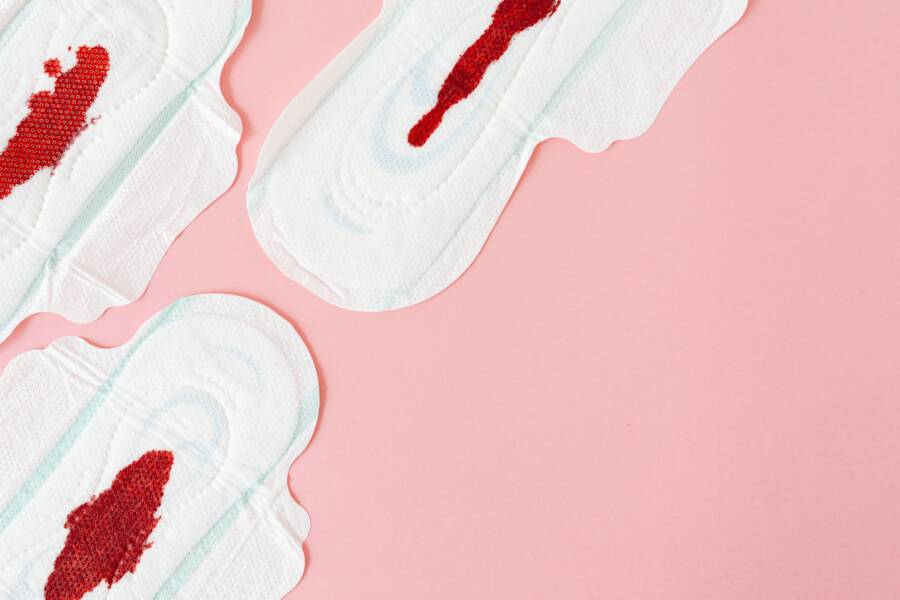
You can lift tough stains from delicate infant garments safely by using cold water, table salt, and baking soda instead of harsh commercial detergents. Standard stain removers often contain synthetic fragrances and optical brighteners that trigger allergic reactions on newborn skin. Parents frequently encounter ruined cotton onesies after minor diaper leaks or spit-up incidents containing traces of blood. Chemical-free stain removal protects an infant from toxic absorption while keeping fabrics soft and wearable.
Why Harsh Cleaners Are Risky for Your Little One
Standard chemical stain removers pose real health hazards to infants because their skin absorbs substances much faster than adult skin does. Traditional laundry products rely on petroleum-derived solvents and synthetic dyes to break down organic matter quickly. These compounds linger on cotton fibers even after multiple rinse cycles. When a baby wears these garments, body heat and sweat cause the residual chemicals to react and transfer directly through the skin barrier.
Understanding Baby Skin Sensitivities
Infant skin is significantly thinner and more permeable than adult skin. Because the protective skin barrier is still developing during the first year of life, synthetic fragrances and harsh detergents cause immediate irritation. Dermatologists frequently treat contact dermatitis caused by leftover laundry chemicals trapped in baby clothes. Natural fibers require gentle care because harsh treatments strip away the protective organic integrity of cotton and bamboo weaves.
The Problem with Residual Chemical Traces
Standard laundry products leave behind invisible residues that do not wash out completely during a normal cycle. These leftover chemical films attract more dirt and trap bacteria inside the fabric weave over time. Babies constantly rub their faces against their clothes and chew on their sleeves during teething phases. Inhaling or ingesting these chemical residues puts unnecessary strain on a developing immune system. Eliminating commercial spot treatments prevents these invisible toxins from coming into contact with a baby.
Safely Treating Blood Stains on Baby Clothes You Can’t Use Chemicals On
Treating protein-based marks requires mechanical lifting rather than chemical bleaching agents. Blood contains complex proteins that bind tightly to natural cotton fibers when exposed to the wrong conditions. Household pantry items provide enough lifting power to break down these biological bonds safely. Following a strict protocol prevents the discoloration from setting permanently into the fabric weave.
The Golden Rule of Cold Water Rinsing
Hot water cooks protein into the fabric fibers and turns a temporary mark into a permanent stain. Cold water is mandatory for the initial rinse phase because low temperatures keep the blood proteins relaxed and soluble. Hold the stained area under a cold running tap immediately after noticing the mess. Let the water pressure push the organic matter backward through the weave rather than forcing it deeper into the fabric.
Using Cold Water and Salt Pastes
Table salt acts as a mild abrasive and a natural drawing agent that lifts fresh protein without damaging cotton. Mix regular table salt with a few drops of cold water until a thick paste forms in a small bowl. Apply the mixture directly over the discolored area and let it sit undisturbed for twenty minutes. Gently rub the fabric against itself to loosen the particles before rinsing the paste away with cold water.
Harnessing Baking Soda for Tough Spots
Baking soda neutralizes organic acids and lifts stubborn discoloration without scrubbing the fabric to pieces. Combine equal parts baking soda and cold water to create a smooth paste for older, partially set marks. Spread the mixture evenly across the affected spot and allow it to sit for thirty minutes. The alkaline properties of the powder break down the remaining biological pigments so they rinse away easily.
Natural Enzymes and Safe Household Solutions
Alternative pantry items provide safe chemical-free options for breaking down stubborn biological compounds. Hydrogen peroxide and lemon juice offer natural bleaching properties without the risks associated with chlorine bleach. These substances target organic pigments directly while preserving the structural integrity of infant garments.
The Science of Hydrogen Peroxide on Whites
Hydrogen peroxide releases oxygen bubbles that oxidize organic pigments in light-colored cotton baby onesies. Pour a three percent solution directly onto the stain and watch it fizz as it reacts with the blood proteins. Rinse the fabric thoroughly with cold water within five minutes to stop the oxidation process. This method works well on white cotton but should be avoided on dark fabrics to prevent color fading.
Lemon Juice and Sunlight Synergy
Natural citric acid combined with ultraviolet rays acts as a gentle bleaching agent for stubborn organic marks. Squeeze fresh lemon juice over the damp fabric and place the garment outside in direct sunlight for a few hours. The ultraviolet light activates the citric acid to break down the remaining discoloration naturally. This zero-waste method leaves clothes smelling fresh without relying on synthetic masking agents.
Step by Step Hand Washing and Laundering Guide
Complete the cleaning process by washing the treated garment thoroughly before drying it. Removing all loosened organic matter prevents lingering residues from attracting dust and bacteria during storage. Hand washing provides total control over water temperature and agitation levels.
Choosing Safe Plant Based Detergents
Eco-friendly liquid soaps provide gentle cleaning power without the synthetic additives found in mainstream laundry powders. Look for fragrance-free plant-based formulas that carry certifications for sensitive skin. Avoid products containing enzymes derived from genetically modified organisms unless the manufacturer explicitly verifies their safety for infants. Use a minimal amount of soap because excess suds leave sticky films on cotton fibers.
Why Air Drying Beats High Heat
Dryer heat permanently sets any remaining trace of a stain by baking the protein molecules directly into the cloth. Hang the washed baby clothes on an indoor drying rack or place them outside in the fresh air. Line drying in the sun provides natural sanitization while protecting delicate infant garments from shrinkage and fiber degradation. Check the fabric carefully before storing the clothes to ensure the discoloration is completely gone.
Patience, cold water, and simple pantry staples remove tough organic stains safely without exposing your infant to harsh chemicals.