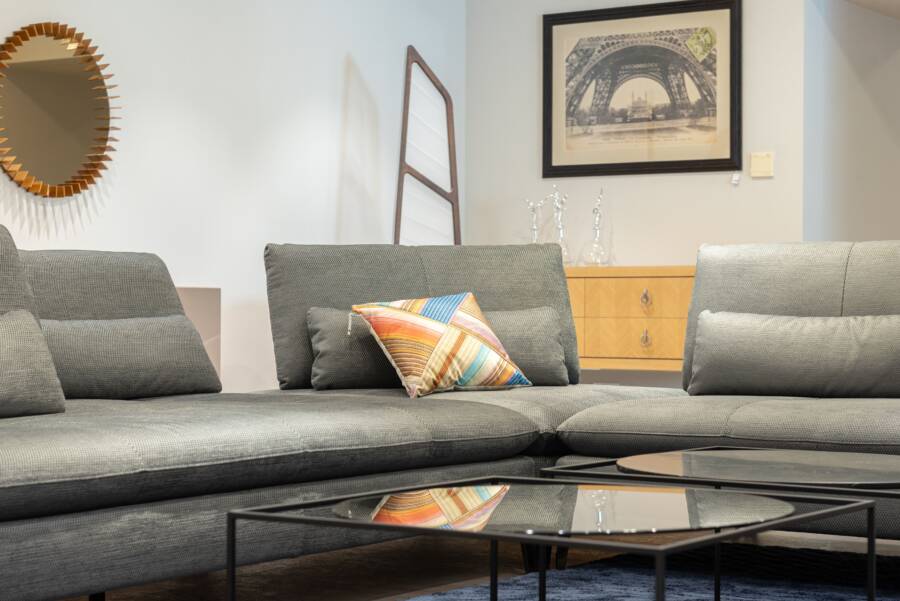
Blot fresh urine with white towels, then apply an enzyme cleaner made for pet urine. Dry the cushion completely before putting it back on the couch.
The method for how to get urine smell out of a couch cushion must reach the foam, because urine can soak below the fabric. Surface sprays often hide the odor for a short time, while residue remains inside. Check the upholstery code first, then clean, extract, and dry the cushion in the right order.
How to Get Urine Smell Out of a Couch Cushion
Remove the cushion cover if the care label allows it. Blot the wet area with paper towels or a white cloth, pressing firmly without rubbing. Work around the outside of the spot first, then move toward the center to prevent the urine from spreading.
Use an enzyme cleaner correctly
Test the cleaner on a hidden seam or the underside of the cushion. If the fabric shows no color change, apply enough product to reach the same layer as the urine, but don’t flood the foam beyond the label’s instructions. Let it sit for the stated dwell time, then blot or rinse as directed.
For most washable cushions, this process is how to get urine smell out of a couch cushion without relying on fragrance. Enzyme cleaners target organic urine residue, including protein-based compounds, while perfume sprays only cover the odor. Ordinary soap may clean the surface but often leaves residue inside the cushion.
Check the Cushion Label Before Using Any Cleaner
Look for the upholstery care code on a tag under the cushion, beneath the sofa, or along the platform. A W code allows water-based upholstery cleaning, while S requires a solvent-based product. WS allows either type, and X means you should vacuum only or contact a professional cleaner.
Match the cleaner to the care code
Use an enzyme cleaner only when its label suits the cushion’s fabric code. On W or WS fabric, remove the cover and wash it according to the care label when possible. S-coded fabric needs a solvent product approved for upholstery, and X-coded fabric shouldn’t receive sprays, detergent, or water at home.
Always test a hidden spot before treating the visible stain. Stop if the color changes, the fabric becomes rough, or dye transfers onto the cloth. A removable cover doesn’t make the foam safe for every cleaning method.
Gather the Right Supplies for Urine Odor Removal
Prepare paper towels or white cloths, disposable gloves, and an enzyme cleaner labeled for urine. You may also need a spray bottle if the product permits decanting, mild detergent for suitable W or WS fabric, and a wet-dry vacuum or upholstery extraction machine.
Set up two fans and keep the room ventilated. Baking soda can help with a light surface odor after cleaning, but it can’t replace enzyme treatment when urine has reached the foam. White towels are safer because colored fabrics can transfer dye onto upholstery.
Remove Fresh Urine Before It Soaks Deeper
Take off blankets, pet beds, and removable covers immediately. Press dry towels into the cushion with steady pressure, changing them as soon as they become damp. Continue until almost no moisture transfers to a fresh towel.
Don’t scrub the spot, since friction pushes liquid through the fabric. Avoid steam, hair dryers, radiators, and large amounts of water during the first response. Heat can set residue, while excess water spreads urine and creates a longer drying problem.
Treat Urine That Has Reached the Cushion Foam
Old or strong odor usually means the foam or upholstery backing still contains residue. Apply the enzyme product far enough into the cushion to match the urine’s path, but follow the product directions instead of soaking the entire insert. If the label calls for a long contact time, cover the treated area as directed so it doesn’t dry too soon.
Extract excess moisture safely
After the dwell time, use a wet-dry vacuum or upholstery extractor if the cushion code and equipment instructions allow it. Otherwise, press clean towels into the area until you remove as much moisture as possible. Rinse only when the cleaner label instructs you to rinse.
If the odor returns after the cushion dries, the remaining residue is probably inside the foam or backing rather than on the surface.
Let the cushion dry fully before deciding whether another treatment is needed. Repeat the enzyme process only as directed, and stop after two careful treatments if the smell remains. Heavily saturated foam may need professional cleaning or replacement.
Dry the Cushion Completely to Prevent Musty Odors
Separate the cover from the foam insert when possible. Stand the cushion on its edge, support it so air can move around both sides, and place fans nearby with windows or doors open for ventilation. Turn the cushion periodically so one side doesn’t stay damp.
Check the center before reassembly
Drying can take 24 to 48 hours, especially when the foam is thick or indoor humidity is high. Press a clean, dry towel against the center of the foam and check the seams, not only the outer surface. If the towel feels damp or the foam feels cool and heavy, keep drying it.
Don’t put a damp cushion back on the sofa. Trapped moisture can create a musty odor and may damage the fabric or backing. Reassemble the cover only after the insert feels dry throughout.
Avoid These Mistakes and Know When to Call a Professional
Never mix enzyme cleaner with bleach, ammonia, disinfectant, or another cleaning product. Fragrance sprays can make the odor harder to assess, while bleach and ammonia can damage upholstery or create hazardous fumes. Also avoid high heat and repeated soaking before removing the urine residue.
Know when home cleaning has reached its limit
Contact an upholstery professional when the fabric has an X code, the urine saturated a large section of foam, or the furniture has high financial or sentimental value. Professional help also makes sense when color bleeding appears or odor remains after two complete enzyme treatments. A cleaner can assess whether extraction will work or whether the insert needs replacement.
Prevent repeat accidents with washable covers and prompt cleanup. If a pet repeatedly urinates on the couch, arrange a veterinary check because changes in bathroom habits can have medical causes. Protecting the cushion matters as much as removing the current odor.
Conclusion
Blot urine quickly, use a compatible enzyme cleaner, and give it enough contact time to reach the affected layer. Then dry the cushion for 24 to 48 hours, checking the foam’s center before returning it to the couch.
Persistent odor usually means residue remains in the foam or upholstery backing. Repeat treatment only according to the product directions, then choose professional cleaning or cushion replacement if the smell continues.