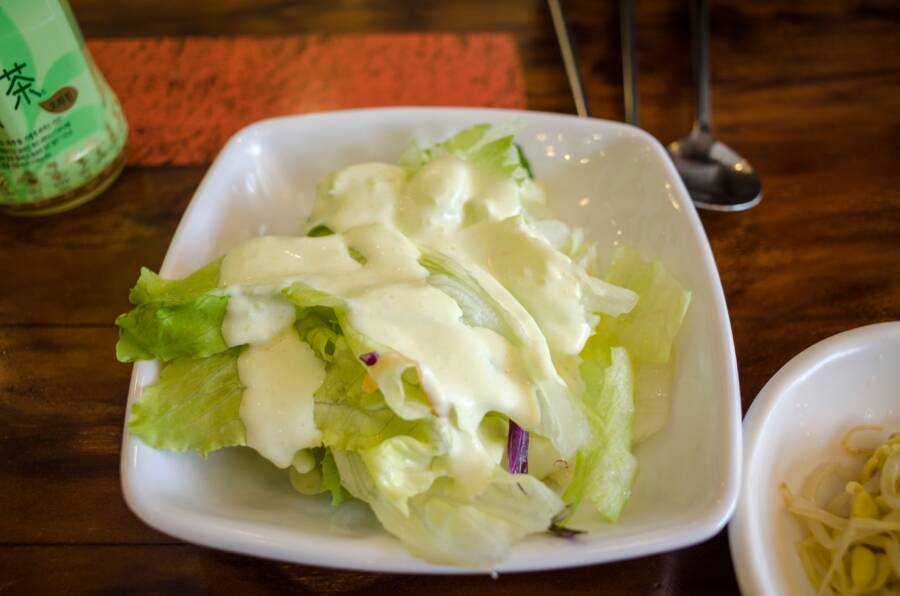
Act fast by grabbing a cloth napkin, blotting the excess oil without rubbing, and asking the server for a dry paper towel and a small plate of salt to lift the grease before it sets.
Why Salad Dressing on a Linen Shirt at a Restaurant Requires Immediate Action
Natural linen fibers feature a loose weave with high absorbency. When oil and vinegar hit this fabric, the liquid penetrates the microscopic gaps between the threads within seconds.
Waiting until you return home allows the fats to oxidize and bond with the cellulose structure of the plant fibers. Once oxidation occurs, the stain becomes permanent, and standard washing cycles fail to lift the discoloration.
Immediate intervention stops the oil from wicking deeper into the weave. Speed is the primary factor that determines whether the garment survives the meal without a permanent mark.
Blotting the Excess Oil Without Pressing It Deeper
Take a clean cloth napkin and press it directly onto the wet spot using a vertical motion. Avoid wiping or scrubbing the fabric, because friction forces the droplets further between the threads.
Lift the napkin straight up and inspect the surface to see if more oil transfers. Repeat this pressing action with a fresh section of the napkin until no more liquid transfers to the cloth.
Gentle vertical pressure draws the bulk of the dressing out of the weave. This step creates a clean baseline for any subsequent spot treatments at the table.
Why You Should Avoid Regular Table Water
Pouring plain water onto an oil stain creates a counterproductive chemical reaction. Water and oil repel each other, so the added moisture forces the grease to spread across a wider surface area of the linen.
Moisture also swells the natural flax fibers, trapping the surrounding fat molecules deeper inside the core of the yarn.
Reach for dry absorbents instead of liquids when managing a spill in public. Keeping the area dry prevents the grease from anchoring into the fabric before you can treat it properly.
Using Common Table Items to Pre-Treat the Grease
Dining tables usually hold several dry substances that can safely break down food oil before you leave the venue. You can use these items to halt the damage while you finish your meal.
Applying Sugar or Salt to Absorb Liquid Fat
Ask your server for a small dish of table salt or granulated sugar immediately after the spill occurs. Pour a generous mound of the dry substance directly over the fresh spot on your shirt.
The granular crystals act as a sponge, pulling the suspended oil out of the linen fibers via capillary action. Let the pile sit undisturbed for ten minutes while you finish dining.
Brush the salt or sugar away gently into a separate plate. You will notice that the powder appears clumpy because it has successfully absorbed the surface fat.
The Lemon Wedge Trick for Breaking Down Vinegar and Oil
Vinaigrette dressings rely on acid to suspend oil, and you can reverse this emulsion using citrus fruit. Request a fresh lemon wedge from the bar or kitchen.
Squeeze a few drops of lemon juice directly onto the remaining oily residue. The natural citric acid breaks down the lipid bonds in the dressing without bleaching white or light-colored linen fabrics.
Blot the area again with a dry paper towel to lift the loosened mixture. This kitchen shortcut neutralizes the vinegar base and preps the shirt for a final wash.
Washing and Drying Your Linen Shirt After the Meal
Proper home cleaning procedures ensure that no residual ring remains on the fabric once you return from the restaurant. Treat the garment before tossing it into the general laundry pile.
Choosing the Right Dish Soap for Grease Removal
Standard laundry detergent often lacks the specific surfactants needed to break down heavy culinary fats. Apply a few drops of concentrated hand dishwashing liquid directly to the damp stain.
Work the soap into the fibers using your fingertips with a gentle circular motion. Allow the soap to penetrate the fabric for fifteen minutes before rinsing the garment under warm running water.
Dish soap targets grease at a molecular level and lifts the remaining oil away from the linen threads. Rinse thoroughly to remove all soap residue before the next step.
Air Drying Versus Machine Drying to Prevent Setting Stains
Never place the damp linen shirt into an automated tumble dryer if any trace of the oil mark remains. The high heat from a machine dryer bakes the remaining fat molecules into the cellulose fibers permanently.
Lay the garment flat on a clean white towel or hang it outside in a shaded area to dry naturally. Inspect the fabric under bright natural light once it is completely dry.
Repeat the dish soap treatment if you still spot a faint shadow of the dressing. Air drying keeps you in control of the garment until the stain is fully eradicated.