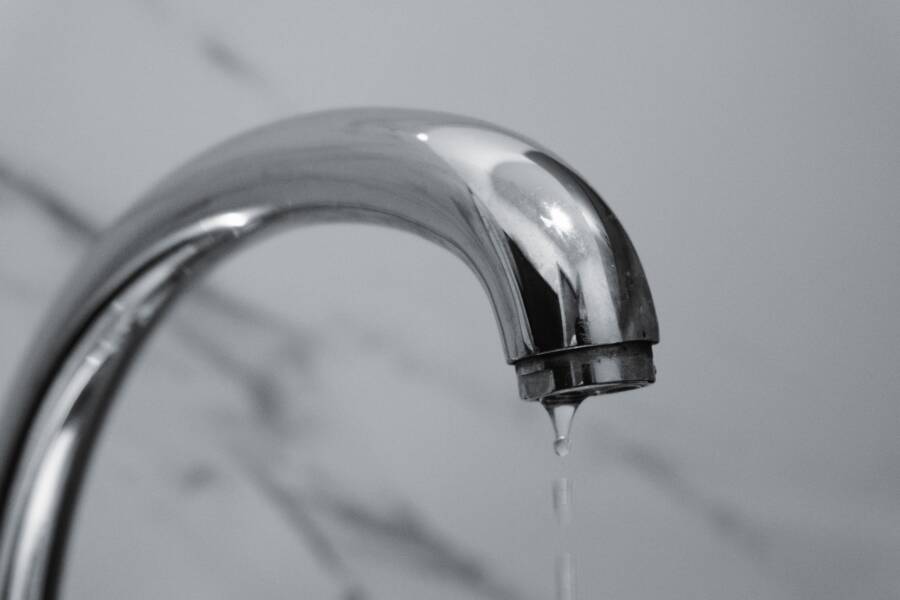
Remove loose rust first, then wash the fixture with warm water and dish soap. Apply white vinegar or a baking soda paste, scrub gently with a soft cloth, rinse well, and dry the chrome completely.
For anyone searching “How to Get Rust Off Chrome Fixtures,” the safest approach depends on the damage. These methods work best on surface rust, while deep pitting, bubbling, or peeling chrome may require professional refinishing or replacement.
Identify Surface Rust and Prepare Safe Supplies
Surface rust appears as orange or reddish-brown marks on top of the chrome. It often loosens after cleaning and wipes away with light rubbing. Pitting looks different because the finish contains small craters, dark spots, bubbles, or areas where the chrome has flaked away.
Cleaning can remove rust sitting on the surface, but it can’t restore missing chrome. Check the fixture under a bright light before choosing a method, so you don’t expect a cleaner to repair damaged plating.
Gather dish soap, warm water, microfiber cloths, white vinegar, baking soda, a soft toothbrush, aluminum foil, and rubber gloves. Fine steel wool rated 0000 is optional for stubborn spots. Avoid abrasive powders, stiff brushes, metal scrapers, chlorine bleach, and harsh acids because they can scratch or weaken the finish.
Test any cleaner or rubbing method on a hidden area first. If the chrome becomes dull, cloudy, or scratched, stop immediately.
How to Get Rust Off Chrome Fixtures With Vinegar
White vinegar works well on light to moderate surface rust because its acetic acid helps loosen the deposit. Start by washing away soap film and loose dirt with warm water and dish soap. Drying the fixture first helps you see exactly where the rust remains.
Follow these steps:
Soak a microfiber cloth or paper towel in white vinegar.
Place it over the rust for 10 to 15 minutes.
Lift the cloth and wipe the area gently.
Use a soft toothbrush for rust around seams, edges, or faucet details.
Rinse the fixture with clean water, then dry it with a fresh microfiber cloth.
Don’t leave vinegar on chrome for long periods. Also keep it away from natural stone, unsealed grout, and nearby materials that acids can damage. If the stain remains after one treatment, rinse and dry the surface before trying another short application.
Remove Stubborn Rust With Aluminum Foil or Fine Steel Wool
Damp aluminum foil is a useful next step when vinegar alone doesn’t remove the stain. Tear off a small piece, wet it with clean water, and rub the rust lightly with the foil. The aluminum creates mild polishing action without the harshness of a metal scraper.
Use short passes and keep the area wet. Wipe away the residue often, then inspect the surface instead of rubbing continuously. Aluminum foil is usually the safer first choice for a stubborn mark because it provides less aggressive abrasion than steel wool.
If you use 0000 steel wool, apply only light pressure and plenty of water. Test it in a hidden spot, then make a few short passes over the rust. Stop if the finish looks dull or scratched. Coarser steel wool can damage chrome, so don’t substitute another grade.
Rust removal cannot rebuild chrome that corrosion has already eaten away. A clean-looking stain can still conceal pits beneath the plating.
Clean Rust From Chrome Fixtures With Baking Soda Paste
Baking soda offers a mild, low-odor option for small rust stains. Mix baking soda with a small amount of water until it forms a thick paste. Spread the paste over the mark and leave it in place for several minutes.
Buff the area gently with a soft microfiber cloth. A soft toothbrush works better around handles, grooves, and the base of a faucet. Because baking soda is mildly abrasive, hard rubbing can leave fine scratches on the chrome.
Rinse the fixture thoroughly with clean water after cleaning. Baking soda residue can dry into a chalky film, so wipe every seam and edge. Finish by drying the surface completely with a clean cloth.
Rinse, Polish, and Check the Chrome Finish
Rinsing removes cleaner residue that could dull the finish over time. Run clean water over the treated area, or wipe it several times with a water-dampened microfiber cloth. Pay close attention to joints, screw heads, and the underside of faucet spouts.
Dry the fixture immediately with a separate microfiber cloth. Water spots can make clean chrome look stained, while trapped moisture can feed new rust on exposed metal. If the surface needs extra shine, use a polish labeled safe for chrome and follow its instructions.
Inspect the fixture under good lighting. Look for remaining orange marks, scratches, dull patches, bubbling, dark craters, or exposed metal. If the rust returns quickly, the problem likely sits beneath the chrome rather than on top of it.
Prevent Rust From Returning on Chrome Fixtures
Dry chrome fixtures after use, especially around sinks, showers, and tubs. A quick wipe removes water that would otherwise sit around seams and damaged spots. Regular gentle cleaning also prevents soap film and hard-water deposits from trapping moisture.
Repair dripping faucets and leaking supply connections as soon as possible. Improve bathroom ventilation with an exhaust fan or an open window after showers. Remove mineral deposits with a cleaner suitable for chrome, and don’t leave wet steel cans, tools, or metal containers against the fixture.
Avoid aggressive scrubbing during routine care. A soft cloth and diluted dish soap are usually enough for weekly cleaning. Exposed steel beneath damaged chrome will continue to rust until the fixture is repaired, refinished, or replaced.
Know When to Replace or Professionally Refinish the Fixture
Home cleaning is no longer enough when the chrome has deep pits, peeling, bubbling, sharp edges, or widespread discoloration. Repeated rust after careful cleaning also points to corrosion beneath the plating. Corrosion around plumbing connections deserves prompt attention because it can affect both appearance and the condition of the fitting.
Replacement is often the simpler choice for inexpensive faucets, shower accessories, cabinet hardware, and towel bars. Professional replating or refinishing can make sense for high-value fixtures, discontinued designs, or parts that are difficult to match.
Before removing a plumbed faucet or fixture, shut off the water supply. If you find weakened metal, a leak, or a connection that won’t loosen safely, contact a plumber rather than forcing the part.
Conclusion
Start with warm water and dish soap, then use white vinegar or baking soda for surface rust. Choose damp aluminum foil before trying 0000 steel wool, rinse away every cleaner, and dry the chrome completely.
Pitted, bubbling, or flaking chrome can’t be restored through cleaning. Once corrosion has damaged the plating, repair, professional refinishing, or replacement is the lasting solution.