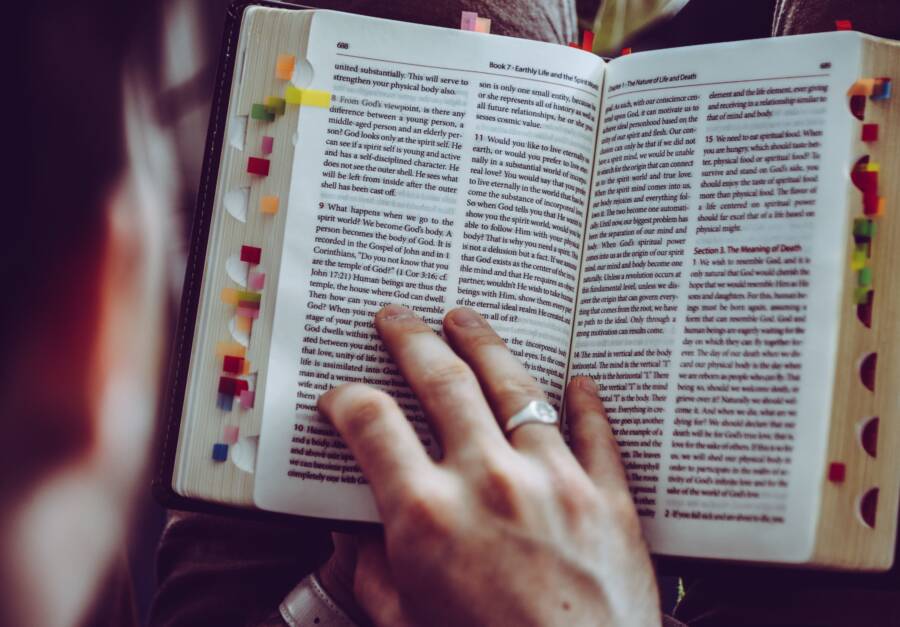
You can lift enough neon pigment to save a damaged book page by using targeted solvents, but you cannot completely erase fluorescent ink once it bonds with paper fibers. Textbook margins and novel pages absorb marker dyes quickly, making immediate action necessary for the best results. Most markers contain bright xanthene or coumarin dyes suspended in a glycol or water base. Acting before the liquid fully cures gives you the highest chance of restoring the paper.
Why Highlighter Ink Stains Paper Differently Than Pen Ink
Fluorescent dyes sit on top of paper fibers rather than sinking deep into them like ballpoint ink. Manufacturers design these bright colors to reflect light off the surface of the page, which requires specialized chemical compositions. Standard ballpoint formulations rely on oils that penetrate multiple layers, but highlighter compounds dry as a brittle, colorful film. Understanding this surface accumulation helps you choose the right removal method without ruining the underlying cellulose.
Thin textbook pages absorb moisture rapidly, and certain paper types react poorly to liquid treatments. Dictionary pages and vintage novels feature highly porous paper stock that curls and softens almost instantly when exposed to solvents. You must treat these delicate surfaces with extreme care because they lack the sizing agents found in modern printer paper. Testing a hidden corner before applying any chemical treatment prevents permanent structural damage to the binding or text.
The risk of bleed through and page tearing increases exponentially when you use too much moisture on delicate paper. Excess liquid breaks the hydrogen bonds holding the cellulose fibers together, creating weak spots that easily puncture under pressure. You should place a piece of scrap cardstock beneath the stained page to catch any runoff and protect the sheets underneath. Keeping your tools barely damp stops the solvent from spreading outward into surrounding paragraphs.
How to Get Highlighter Out of a Book Page Using Lemon Juice
Citrus acid acts as a natural bleaching agent that breaks down neon pigment without relying on harsh industrial chemicals. You need fresh lemon juice and a few clean cotton swabs to begin the process of lifting the stubborn yellow or pink shade. The mild acid alters the chemical structure of the fluorescent dye, causing the vibrant color to fade into a pale, neutral tone. This method works best on matte paper stocks that do not have a glossy coating.
Apply lemon juice with a cotton swab while exercising extreme caution regarding the amount of liquid on the tip. Dip the swab into the juice and press it against the side of a small dish to squeeze out excess drops. Gently dab the swab over the highlighter mark in short, controlled motions instead of scrubbing back and forth. Stop immediately if the paper starts to pill or wrinkle under the damp cotton.
Neutralize the acid to protect the book from long-term degradation caused by residual citrus compounds. Press a dry paper towel firmly against both sides of the treated page to absorb lingering moisture. Let the page air dry completely while keeping it separated from the rest of the book with a plastic sheet. This neutralization step stops the acid from slowly eating away at the cellulose fibers over the coming months.
Lifting Pigment Safely with Rubbing Alcohol
Isopropyl alcohol acts as a fast-acting solvent that breaks down the resin binders holding highlighter dye together. The alcohol dissolves the dried film on top of the paper, allowing you to transfer the pigment away from the text. You must use the correct concentration to balance evaporation speed with cleaning power. Higher concentrations evaporate too quickly, while lower concentrations leave too much water on the page.
Choose seventy percent isopropyl alcohol to prevent rapid evaporation issues and severe page damage during the cleaning process. Pour a small amount into a glass container so you can dip your cotton swab without contaminating the whole bottle. Lightly blot the stained area with the damp swab, working from the outside edges toward the center of the line. Replace the swab frequently as it absorbs the neon pigment to avoid smearing the color further across the sheet.
Removing Highlighter Marks with Acetone Free Nail Polish Remover
Mild solvents lift stubborn neon yellow and pink shades from glossy textbook pages that resist water-based treatments. Acetone-free formulations use ethyl acetate or similar gentle compounds to dissolve surface dyes without melting the page coatings. Glossy paper features a clay and plastic layer that protects the fibers beneath, making solvent use safer here than on porous paper. You still need to apply the liquid sparingly to avoid stripping the printed text around the highlight.
Fading Highlighter Ink Using Hydrogen Peroxide
Hydrogen peroxide relies on mild oxidizing properties to bleach out bright yellow and pink pigments from paper surfaces. The peroxide molecules release oxygen radicals that attack the chromophores responsible for the intense fluorescent color. Apply a three percent solution using a fine-tipped cotton brush for maximum precision around printed words. Monitor the page closely as the color fades, and blot the area with a dry cloth as soon as the neon shade disappears.
Gently Scraping Away Highlighter with a Razor Blade
Mechanical removal works well for dry ink sitting thickly on top of heavy paper stock like cardstock or art paper. The thick film of pigment often remains raised above the surface of the page, allowing a sharp edge to shear it away. You need a brand-new single-edge razor blade or a craft scalpel to execute this technique without gouging the sheet. This method requires a steady hand and a completely flat work surface to succeed.
Hold the blade at the correct angle to avoid slicing straight through the delicate paper sheet during the scraping process. Position the razor at a thirty-degree angle relative to the page, keeping the flat side nearly parallel to the paper. Lightly skim the edge across the top of the dried ink layer using very little downward pressure. Sweep away the resulting dust flakes frequently so you can see your exact progress against the remaining stain.
Erasing Highlighter with Magic Erasers and Melamine Foam
Tiny abrasive structures in melamine foam buff away surface pigment without soaking the page in potentially damaging liquids. The foam acts like extremely fine sandpaper, shearing microscopic layers of dye and paper fiber away simultaneously. Cut a small piece of a clean melamine sponge and dampen it just enough to feel cool, not wet. Lightly buff the highlighted area using circular motions while supporting the page from underneath with a hard book cover.
Flattening and Drying Wet Book Pages After Treatment
Moisture from cleaning treatments causes book pages to warp and wrinkle as the wet cellulose fibers dry unevenly. Place a sheet of parchment paper directly underneath and on top of the damp page to absorb lingering humidity. Close the book and place a heavy stack of reference volumes or a cast-iron weight directly over the affected area. Leave the weight in place for at least twenty-four hours so the paper dries flat under consistent pressure.