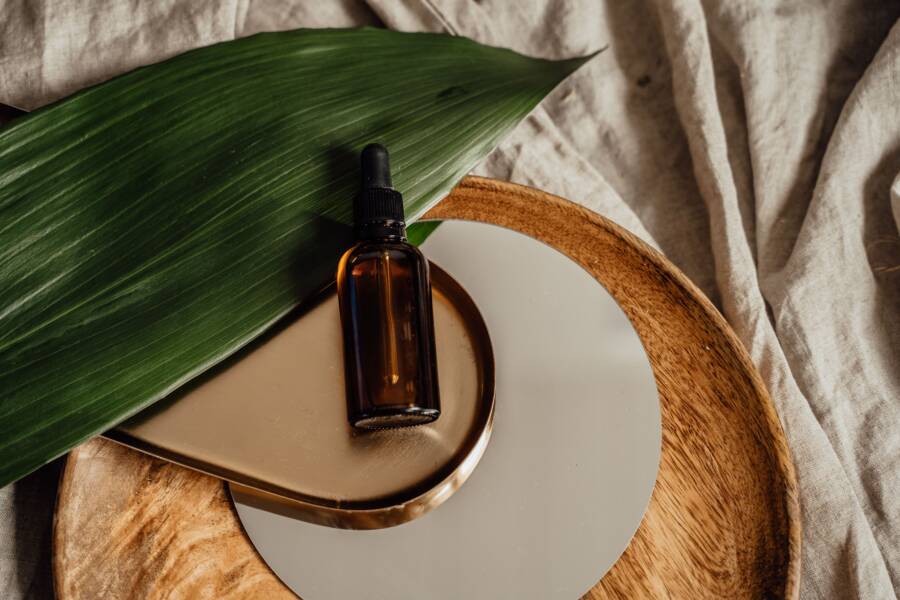
Blot excess oil with a clean cloth immediately, and sprinkle baking soda over the wet spot to lift the grease. Essential oils smell wonderful in a diffuser, but they ruin sheets when they spill directly onto fabric. Standard laundry cycles fail to remove these marks because plant oils bond tightly with textile fibers.
Why Essential Oils Leave Stubborn Marks on Sheets
Plant extracts are not water-soluble. They contain concentrated lipids that slip between cotton threads and cling there stubbornly. When you drop pure oil onto a pillowcase, the liquid spreads fast and coats the individual threads in a slick barrier. Regular water and standard detergent slide right off this lipid shield.
The Chemical Makeup of Plant Extracts
Essential oils consist mostly of terpenes and other lipophilic compounds. These molecules seek out hydrophobic environments, which include polyester blends and natural cotton fibers. Because they share a similar chemical affinity, the oil molecules penetrate the core of the textile rather than sitting on top of it.
Common Oils That Cause the Most Damage
Some extracts create worse messes than others because of their heavy chemical density. Patchouli, vetiver, and sandalwood leave thick amber rings that resist ordinary washing. Citrus oils like bergamot and orange also cause trouble because they contain natural resins that harden as they dry on fabric.
Step by Step Guide on How to Remove Essential Oil Stains From Bedding
You need to attack the lipid bonds with ingredients that break down grease before the sheets ever touch a washing machine.
Absorbing Fresh Residue With Baking Soda
Cover the wet spot generously with baking soda right away. Let the powder sit for thirty minutes so it draws the trapped oil out of the threads. Brush the clumped powder away gently before moving to the next cleaning stage.
Breaking Down Grease With Dish Soap
Squeeze a few drops of concentrated dish soap directly onto the remaining mark. Rub the fabric together to work the soap deep into the fibers. The surfactants in dish soap latch onto oil molecules and loosen their grip on the cotton.
Using White Vinegar for Deep Treatment
Pour equal parts white vinegar and warm water over the treated area. The mild acid in vinegar breaks down lingering plant resins and neutralizes odors. Let this mixture sit for ten minutes before rinsing the fabric thoroughly with cold water.
Washing and Drying Your Sheets Safely
After pre-treating the fabric, you must run the linens through a high-temperature cycle to clear away any remaining residue.
Choosing the Right Detergent and Water Temperature
Set your washing machine to the hottest water temperature the fabric label allows. Add a heavy-duty laundry detergent that contains active grease-fighting enzymes. Hot water melts the stubborn lipid bonds so the soap can flush them down the drain.
Why You Must Air Dry Before Using the Machine Dryer
Inspect the sheets carefully after the wash cycle finishes. Never toss damp linens into a heated machine dryer if you still see a dark shadow on the fabric. The high heat of a dryer bakes remaining oil permanently into the fibers. Hang the sheets on a line until you confirm the spot is completely gone.
Dealing With Old, Set-In Oil Spots
A stain that went through a hot dryer cycle requires a much stronger rescue attempt.
Creating a Powerful Pre-Soak Solution
Fill a basin with warm water and mix in a scoop of oxygen-based bleach. Submerge the stained bedding completely in the solution and let it soak overnight. The active oxygen penetrates the baked-in grease and lifts the discoloration from the threads.
Protecting Your Favorite Linens From Future Spills
Keep your aromatherapy sessions away from the bed to prevent future laundry disasters. Apply your oils in the bathroom or near the kitchen counter before you climb under the covers. If you must use a diffuser in the bedroom, place it on a distant nightstand well away from your pillows and comforter.