Rinse the egg off as soon as possible with plenty of cool water, then soak the residue before washing it gently. If the egg was thrown deliberately, photograph the car first, especially if you may file a police report or insurance claim.
Egg can stain or etch clear coat when it dries, and heat can speed up the damage. Knowing how to get egg off a car after vandalism helps you protect the finish without grinding shell or dried yolk into the paint.
How to Get Egg Off a Car After Vandalism
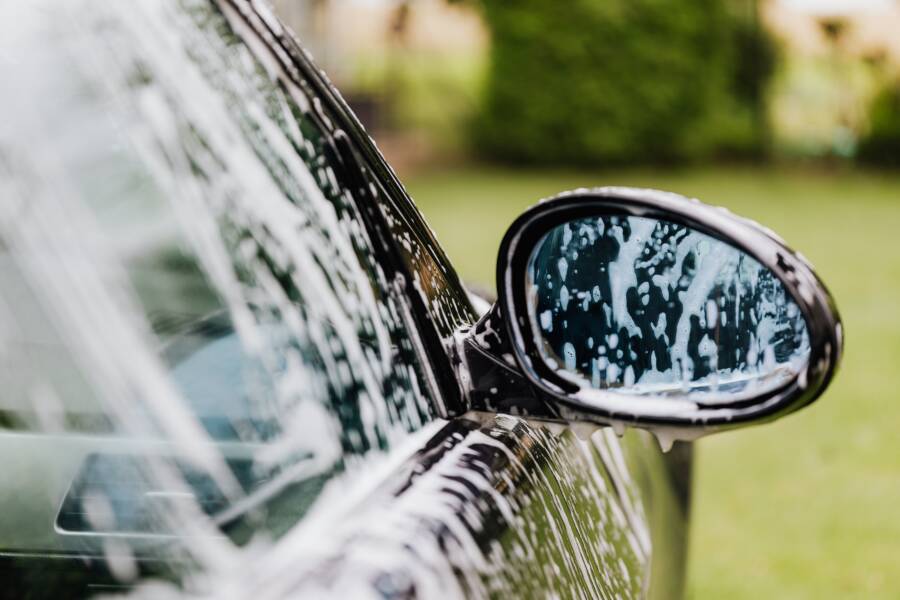
Move the car into shade before cleaning it. Rinse the affected panels from the top down with a hose or low-pressure stream, then wash the area with car shampoo and water. Let the shampoo solution sit for 10 to 15 minutes so it can soften the residue.
Gather the Right Supplies Before You Start
Use a hose, two buckets, pH-neutral car shampoo, a clean microfiber wash mitt, several microfiber towels, and disposable gloves. Warm water can soften dried egg, but don’t pour very hot water onto cold glass or paint because sudden temperature changes can cause damage.
Keep one towel or mitt for dirty areas and another for clean sections. Separate supplies reduce the chance of spreading shell grit across the rest of the finish.
Rinse and Soak the Egg Instead of Scrubbing It
Start at the roof or highest affected point and let water carry the residue downward. Keep the flow gentle so shell pieces don’t get forced into existing scratches. For stubborn spots, place a shampoo-soaked microfiber towel over the egg for several minutes.
After soaking, wipe in one direction with light pressure. Rinse the towel often, and repeat the soak for dried yolk or shell instead of reaching for a stronger chemical.
What to Do When the Egg Has Dried on the Paint
Dried egg needs more moisture and time, not more force. Soak the panel repeatedly, test a small area first, and stop if the paint feels rough, looks cloudy, or begins losing gloss.
Remove Shell Pieces Without Scratching the Clear Coat
Soften shell fragments fully before lifting them with a wet microfiber towel or gloved fingers. Never use a razor, knife, credit card, or dry brush. Shell can act like grit, so dragging it across the paint may create fine scratches.
Avoid Household Cleaners That Can Damage Paint
Don’t use bleach, ammonia, powdered cleanser, abrasive pads, strong degreasers, or undiluted solvents. Dish soap may remove wax or sealant, while pH-neutral car shampoo is safer for a finish that may already have clear-coat damage.
Old or heat-baked residue may have bonded to the clear coat. If repeated soaking doesn’t restore a smooth, glossy surface, stop cleaning and contact a professional detailer.
How to Clean Egg From Car Glass, Trim, and Seals
Glass, painted panels, plastic trim, and rubber seals need slightly different care. Remove the bulk of the egg with water first, then clean windows with an automotive glass cleaner and use mild soap and water on trim and seals.
Clean Windshields and Windows Safely
Soak the glass before removing shell fragments. Lift softened pieces with a wet microfiber towel, then finish with a clean automotive glass towel. Don’t use a metal scraper on tinted film or coated glass unless the product instructions allow it.
Keep harsh cleaners and excessive pressure away from cameras, parking sensors, weather stripping, and convertible-top fabric. Water can carry residue into gaps and electronic components.
Protect Plastic Trim, Rubber, and Sensors
Egg can hide around door handles, mirror bases, panel gaps, and rubber seals. Once the area is wet, use a soft detailing brush with soapy water to loosen residue, then rinse with clean water and dry with a soft towel.
Spray the towel or brush instead of spraying directly into cameras, sensors, or other electrical parts. Avoid solvent-based cleaners on rubber and textured plastic because they can discolor or dry the material.
Inspect the Car for Paint Damage After Washing
Let the surface dry, then inspect it in bright, indirect light. Look for dull patches, discoloration, scratches, exposed primer, rough texture, or damage around trim and glass.
Tell Staining Apart From Scratches and Etching
A stain may improve after another gentle wash or a mild detailing treatment. Etching often appears as a dull outline or rough mark that remains after the contamination is gone. Don’t polish aggressively, because removing too much clear coat can make the defect worse.
A smooth, glossy panel may only need a compatible wax or paint sealant. Texture changes and color loss need closer assessment.
Know When a Detailer or Body Shop Is Needed
Contact a detailer when the egg stayed on the car for a long time, the finish remains dull, or home cleaning doesn’t restore the gloss. Paint correction may address light surface marks through controlled polishing.
A body shop may be needed when the paint is cracked, peeling, scratched through to primer, or missing. Ask whether the repair requires polishing, wet sanding, touch-up paint, panel refinishing, or repainting.
Document Egg Vandalism Before You Clean the Car
Before washing, take wide and close photographs of every affected panel. Record the date and time, note where the car was parked, and save nearby security-camera footage if available.
If police involvement is likely, avoid touching shells or other possible evidence until you’ve documented the scene. Check your local reporting process because evidence and report requirements vary.
Photograph the Damage Clearly
Take photos from several angles so they show the vehicle’s location and surrounding context. Capture close-ups of paint marks, shell pieces, damaged trim, and any related scratches.
Keep the original files rather than relying only on edited or compressed copies. Write down what you removed or cleaned after taking the photos.
Report the Vandalism and Check Insurance Coverage
Contact local law enforcement if you want an official vandalism report. Before authorizing expensive repairs, notify your insurer and ask what documentation it requires.
Review your comprehensive coverage, deductible, claim rules, and treatment of paint damage. Policies differ, so don’t assume an egg-related repair will qualify or that filing a claim will save money.
How Much Does Egg Damage Repair Cost?
A careful home wash may cost only the price of shampoo, towels, and other supplies. Professional detailing costs more, while paint correction or repainting becomes substantially more expensive when the clear coat or base coat is damaged.
Get written estimates before approving work. Compare the repair total with your insurance deductible, and ask whether the estimate covers only surface correction or includes refinishing.
When Washing and Waxing May Be Enough
Prompt removal with no visible stain may require only a careful wash. After the surface is clean and dry, apply a compatible wax or paint sealant according to its instructions.
Wax protects the finish, but it doesn’t repair etching, scratches, peeling clear coat, or missing paint. Inspect first so protection doesn’t hide a problem.
When Paint Correction or Repainting Is Required
Paint correction can address light surface marks that haven’t cut through the clear coat. Deep etching, exposed primer, or a damaged panel usually requires touch-up work or repainting.
Ask the shop which process it recommends and why. A clear estimate should identify polishing, wet sanding, touch-up paint, panel refinishing, or panel replacement.
Mistakes That Make Egg Damage Worse
Dry scrubbing drags shell across the finish and creates scratches. Sharp tools can cut the clear coat, hot water can shock cold glass or paint, and household chemicals can stain trim or strip protection.
Pressure washing close to seals, sensors, or trim can force residue into gaps. Delaying cleanup in direct sun gives the egg more time to dry and bond to the surface.
Do Not Rub Dried Egg Into the Finish
Dried yolk and shell may contain hard particles that scratch when dragged across paint. Flood the area with water, soak it with car shampoo, and lift the softened residue gently. Repeat the process until the surface is clean.
Do Not Polish or Wax Before the Surface Is Clean
Polishing over grit can create more scratches, while wax can trap residue or hide damage temporarily. Wash and rinse the car first, inspect the dry finish, then choose protection only after no contamination remains.
Protect the Finish With Fast, Careful Cleanup
Photograph the vandalism, rinse and soak the egg, and clean it with car-safe products rather than force or harsh chemicals. Inspect the dry finish afterward, and seek professional repair when stains, etching, scratches, or peeling remain.
Quick action gives the clear coat the best chance of surviving the incident. Good documentation also helps you make informed decisions about police reports, repair estimates, and insurance coverage.