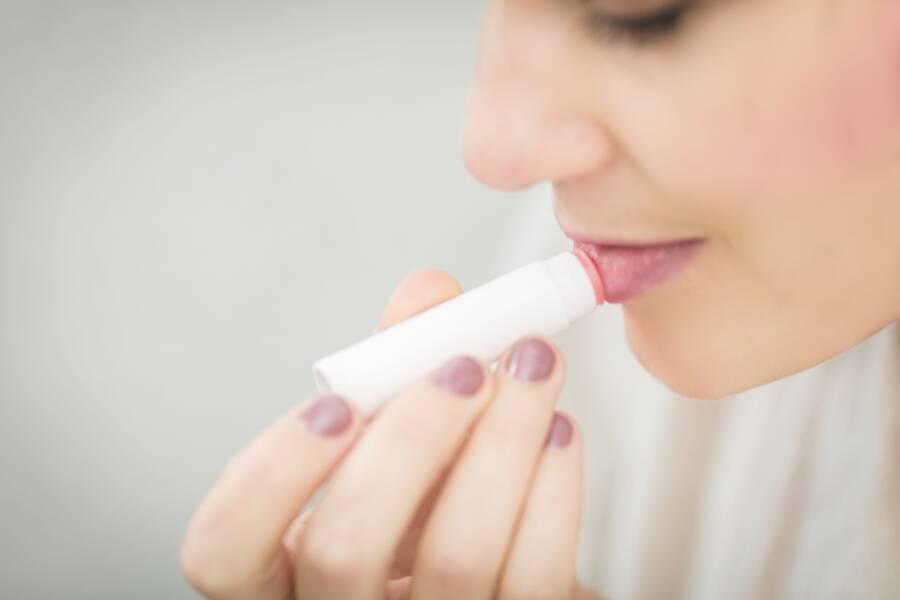
Scrape off the hardened wax with the edge of a spoon, apply liquid dish soap directly to the grease marks, and wash the garment again in the hottest water the fabric can handle. Lip balm contains heavy waxes and oils that melt under dryer heat, bonding tightly with textile fibers. Water and regular laundry detergent cannot break down this oily residue once heat sets it into the fabric. You need grease-cutting agents and physical scraping to reverse the damage before the clothes become permanently ruined.
Why Standard Washing Fails Against Melted Wax
Standard laundry detergent works by suspending dirt in water so it rinses away easily. Lip balm relies on petrolatum, paraffin, and various oils that repel water entirely. When the dryer runs, thermal energy melts these ingredients into a liquid state. The tumbling motion presses that liquid deep into the core of cotton and synthetic threads. Once the dryer cools, the wax solidifies again inside the fabric weave. Regular washing machines lack the targeted grease solvents and localized friction required to break this chemical bond.
How to Remove Chapstick From Clothes After the Dryer Using Dish Soap
Liquid dish soap targets kitchen grease, and it breaks down waxy cosmetic residue using the exact same chemical principles. You must treat the stain before running the garment through another standard cycle. Squeeze a generous amount of soap onto every visible spot on both sides of the fabric. Work the product deep into the fibers with your fingers or a soft-bristled brush. Let the treated garment sit for at least thirty minutes so the surfactant molecules surround and lift the trapped oils.
Pre-treating the Stain With Liquid Dish Soap
Apply the dish soap to dry fabric rather than soaking the garment first. Water dilutes the soap and prevents it from binding effectively with the waxy oils. Rub the soap gently in a circular motion to penetrate every layer of the stain. You will notice the waxy texture start to loosen as the soap breaks down the petroleum base. Add a pinch of baking soda to the soap mixture if the stain covers a large area. This provides mild abrasion to help lift stubborn pigment from colored fabrics.
Rinsing and Checking the Fabric Before Washing
Wash the soap out of the garment using warm water to check your progress. Hold the fabric up to the light to see if the dark, translucent grease spots are gone. If you still see shiny rings or discoloration, apply more dish soap and repeat the scrubbing process. Never place the clothing back into the dryer if any trace of the stain remains. Heat permanently sets the remaining oil molecules, making future removal almost impossible. Air-dry the item until you confirm the stain is completely gone.
Using Ice Cubes to Harden and Scrape Away Excess Wax
Thick globs of lip balm require a mechanical removal step before you apply chemical solvents. Place an ice cube directly over the waxy buildup for two minutes until the material freezes solid. Scrape the brittle wax away using the edge of a plastic card or a dull butter knife. Work carefully so you do not snag or cut the surrounding fabric threads. This technique removes the bulk of the surface wax without pushing any extra oil deeper into the textile weave.
Lifting Stubborn Residue With Rubbing Alcohol or Hand Sanitizer
Isopropyl alcohol dissolves the remaining pigments and oils that dish soap leaves behind. Pour a small amount of seventy percent rubbing alcohol onto a clean white cloth or cotton ball. Dab the stained area repeatedly, working from the outside edges toward the center to prevent spreading the mark. The alcohol breaks the hold of the waxy residue on synthetic fibers like polyester and nylon. Rinse the treated area thoroughly with cold water to remove the loosened grime before laundering.
The Magic of Oxygen Bleach for Lingering Oil Spots
Oxygen bleach breaks down organic stains and lingering discoloration without destroying clothing dyes. This compound releases active oxygen bubbles when mixed with water, lifting microscopic oil particles from the fabric core. You can safely use oxygen bleach on almost all washable fabrics, including cotton, linen, and colored garments. Always check the manufacturer care label before mixing any chemical solutions. Avoid chlorine bleach, because it reacts poorly with certain synthetic fabric blends and fails to dissolve grease.
Mixing the Oxygen Soak Solution
Dissolve one scoop of powdered oxygen bleach into a basin filled with hot water. Stir the liquid until the powder dissolves completely and bubbles start to form. Submerge the stained garments completely in the solution, making sure no fabric remains exposed to the air. Hot water softens the remaining wax traces, while the oxygen compounds attack the oil bonds. Let the items soak for a minimum of four hours for moderate stains. Severe stains benefit from an overnight soak to break down deeply embedded residues.
Soaking Time and Final Inspection
Drain the soaking basin and rinse each garment thoroughly with clean, running water. Check the fabric under bright natural light to inspect for any lingering discoloration. Run the garments through a normal wash cycle using your regular detergent and the warmest recommended water setting. Hang the clothing up to air-dry rather than using the machine. Inspect the fabric one final time after it dries completely to verify the stain is gone.
Crucial Mistakes to Avoid During the Cleanup Process
Never iron clothing that has a hidden chapstick stain, because the intense heat bakes the wax permanently into the threads. Avoid using fabric softener during the post-treatment wash cycle, because it coats the fibers and traps any microscopic residue left behind. Do not use petroleum-based solvents on delicate silk or wool garments, as these fabrics require professional dry cleaning. Skip the hot dryer cycle until you are completely certain the stain no longer exists on the fabric.