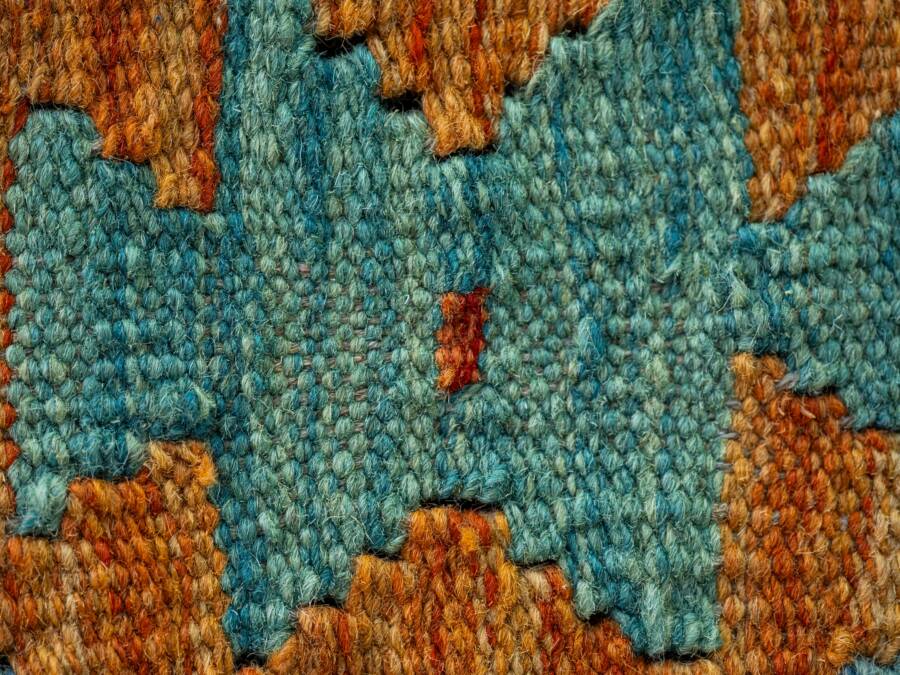
Blot red wine on a wool rug immediately with a clean white cloth, then use a small amount of cool water and a wool-safe cleaning method. Press the spill from the outside toward the center, and never scrub, flood, or apply heat.
Quick action matters because wine pigments become harder to lift once they dry inside wool fibers. Strong cleaners can fade the dye, while excess water can damage the backing or floor underneath. Use the steps below for a fresh mark, then stop and call a professional when the stain is large, old, or spreading.
Red Wine on a Wool Rug: The First Five Minutes Matter
Move nearby furniture away from the spill so you can reach the entire wet area. If the wine contains food or another solid residue, lift it with a spoon instead of scraping it into the pile. Keep people and pets away while you work.
Use white materials because colored towels can transfer dye to wet wool. Gather these supplies before applying any cleaner:
White cotton towels or plain white paper towels
A spoon for solid residue
A small bowl of cool water
A wool-safe detergent or rug cleaner
A second dry towel for removing moisture
Read the product label before using it. A cleaner made for synthetic carpet isn’t automatically safe for wool.
Blot Up as Much Wine as Possible
Place a folded white towel over the wet spot and press firmly with your hand. Lift the towel, move to a dry section, and press again. Keep replacing the towel as it absorbs wine.
Work from the outer edge toward the center. This keeps the mark from spreading across clean fibers. Your goal is to lift liquid from the pile, not push it deeper into the backing.
Rubbing may spread the wine and fuzz the wool, even when the stain looks small.
Avoid hot water, colored cloths, and soaking. Hot water can set some stains, while excess liquid can carry wine into the foundation of the rug.
How to Remove Fresh Red Wine From Wool Safely
After blotting, treat the remaining color in short stages. Test water and any cleaning solution on a hidden corner or edge first. Wait briefly and check for color transfer, texture changes, or fading.
Wool needs controlled moisture. Apply enough liquid to loosen the stain, but never pour water or cleaner directly onto the rug. A light touch gives you more control and reduces the chance of leaving a water ring.
Dilute the Stain With Small Amounts of Cool Water
Dampen a clean white cloth with cool water, then wring it until it feels moist rather than wet. Press the cloth onto the stain for a few seconds and lift it straight up. Follow with a dry towel, pressing gently to pull out the loosened wine.
Repeat this small wet-and-dry cycle rather than saturating the area. Wool can hold moisture for a long time, especially when the rug has a dense pile or heavy backing. Trapped moisture may cause browning, odors, mildew, or damage to the floor beneath.
Apply a Mild Wool-Safe Cleaner Only If Needed
If cool water leaves visible color, mix a small amount of wool-approved detergent according to its label. Put the diluted solution on a white cloth, not directly on the rug. Dab or press the cloth over the mark, working around the edges before moving toward the center.
Use another cloth lightly dampened with cool water to remove cleaner residue. Finish with a dry towel. Stop after one or two gentle attempts if the stain remains, because repeated wetting can do more harm than the wine.
What to Do When the Red Wine Stain Has Dried
Dried wine requires patience, and complete removal isn’t guaranteed. Light-colored wool may show a shadow even after careful cleaning. Previous treatments can also affect the final result by altering the fibers or dye.
First, vacuum loose surface debris without pressing hard on the stained area. Then place a cool, damp white cloth over the mark for a short period. The moisture can soften residue enough for careful blotting, but the rug shouldn’t become wet through.
Soften the Dried Wine Without Soaking the Rug
Leave the damp cloth in place for a few minutes, then remove it and blot with a dry towel. Repeat only after checking that the rug remains stable and the color isn’t transferring. Work in small sections if the stain covers more than a few inches.
Don’t scrape forcefully at the dried mark. Avoid steam, hot water, hair dryers, and heated carpet machines because heat can set some stains and distort wool fibers. If the pile feels rough or the color begins to move, stop immediately.
Know When Home Cleaning Is No Longer Safe
A stain that remains after one or two gentle treatments needs professional attention. The same applies when wine has reached the backing, spread across a large area, or left a persistent odor.
Antique, hand-knotted, heavily dyed, or expensive rugs deserve an assessment before home treatment. A cleaner can identify the fiber, dye, backing, and construction before choosing a method.
Cleaning Solutions to Avoid on Wool Rugs
Wool is a natural protein fiber, so it reacts differently from nylon, polyester, or polypropylene. Products designed for wall-to-wall synthetic carpet may contain ingredients that discolor wool or leave a stiff residue.
The rug’s care label should guide your choice. If no label exists, use only a product clearly approved for wool, and test it in a hidden spot before treating the wine.
Skip Bleach, Ammonia, Vinegar, and Strong Carpet Products
Bleach can strip or change wool dye and damage the fibers. Ammonia and other strongly alkaline products may weaken wool or leave an uneven color. Acidic household mixtures, including vinegar solutions, can also affect dyes and finishes.
Avoid unknown DIY combinations. Mixing cleaners can create irritating fumes or produce a solution that damages the rug. Manufacturer care instructions take priority over a general carpet-cleaning recipe.
Do Not Scrub, Use Salt, or Rely on Heat
Scrubbing creates friction between the towel and the wool. That friction can spread the stain, loosen fibers, and produce fuzzing or a worn patch. Pressing works better because it removes liquid without roughening the pile.
Salt may absorb some surface moisture, but it doesn’t remove wine from wool fibers. It can also leave gritty residue between the fibers. Don’t use an iron, hair dryer, steam cleaner, or hot-water extractor unless a qualified rug cleaner confirms that method is suitable.
How to Dry a Wool Rug After Treating the Spill
Drying is part of stain removal. After the final blot, place dry white towels over the treated area and press gently. Replace them whenever they become damp.
Keep the rug flat while it dries, and improve air circulation with a fan set several feet away. Avoid direct heat and don’t walk on the damp section. Foot traffic can flatten wet pile and push moisture farther into the backing.
Remove Moisture Without Warping the Rug
If the rug is small and movable, lift it carefully and dry both sides. Don’t fold a wet wool rug, since the crease can distort the foundation. For a large rug, keep it flat and continue pressing with clean towels.
Check the area after several hours. A musty smell, dark backing, sticky texture, or brown edge around the treated spot indicates a moisture problem. Those signs call for professional drying or cleaning rather than more household treatment.
Protect the Floor Beneath the Rug
Water and wine can pass through the rug into hardwood, laminate, tile grout, or carpet padding. Lift the rug if possible, then wipe and dry the floor separately. Don’t put furniture back until both surfaces feel completely dry.
If the rug sits on a pad, inspect the pad as well. A damp pad can hold moisture against the backing and slow drying. Replace or dry it before returning the rug to its original position.
How Wool Type, Dye, and Rug Value Change the Cleaning Plan
Two wool rugs can react differently to the same cleaning solution. Pile height, backing, dye stability, age, and construction all affect how water moves through the rug. Hand-knotted rugs may also contain foundations that need careful handling.
Check the care label and identify the rug’s construction if you can. A machine-made rug with stable commercial dye may tolerate a carefully tested wool cleaner, while an older hand-dyed rug may bleed with plain water.
Check for Color Bleeding Before Using Water
Dampen a white cloth with cool water and press it on a hidden edge or corner. Look at the cloth after several seconds. If red, blue, brown, or another rug color appears on it, stop home treatment.
Color transfer means moisture may create a faded patch or spread dye around the wine stain. Don’t keep testing different products. Photograph the area and contact a cleaner experienced with dyed wool.
Treat Antique, Hand-Knotted, and Valuable Rugs With Extra Care
Older rugs may have fragile fibers, unstable dyes, or foundations weakened by age. Even a small wet spot can leave a visible tide mark or change the pile. Valuable rugs should go to a specialist before you experiment with cleaning products.
Take clear photographs of the stain and note when the spill occurred. Share any information about the rug’s material, age, origin, and prior cleaning. That history helps the cleaner choose a safer treatment.
When Professional Red Wine Stain Removal Is Worth the Cost
Professional red wine stain removal is the safer choice for a large spill, a mark that reaches the backing, color bleeding, or a lingering smell. Call promptly when the rug is antique, hand-knotted, valuable, or made with dyes you can’t test safely.
Before handing over the rug, ask whether the cleaner regularly handles wool and specialty rugs. Ask which cleaning method they plan to use, how they control moisture, how they dry the rug, and whether they’ll provide written care instructions.
What a Professional Rug Cleaner Can Do Differently
A specialist can inspect the fibers and dyes, test for bleeding, and examine soil or wine that has traveled into the backing. They can also use controlled moisture and proper drying equipment instead of repeatedly wetting the pile at home.
No cleaner can promise complete removal in every case. The result depends on the wine, rug dye, stain age, rug construction, and products already applied. Prompt treatment improves the odds, but aggressive home cleaning can make the mark harder to correct.
Prevent Future Spills Before They Reach the Rug
Keep wine glasses on a stable table rather than on the rug’s edge. Use a tray when carrying several drinks, and store white towels and a wool-safe cleaner where you can reach them quickly.
Check the rug’s care label before an accident happens. The most useful habit is immediate blotting, because removing liquid during the first few minutes is safer than trying to rescue a fully dried stain later.
Conclusion
Blot the spill immediately, use minimal cool water, and apply a wool-safe product only after a hidden-area test. Dry the rug and the floor beneath it fully, and avoid bleach, ammonia, salt, heat, and scrubbing.
Persistent or large stains need professional care, especially on valuable, antique, hand-knotted, or color-sensitive rugs. With red wine on a wool rug, fast blotting protects more of the fiber than repeated cleaning ever can.