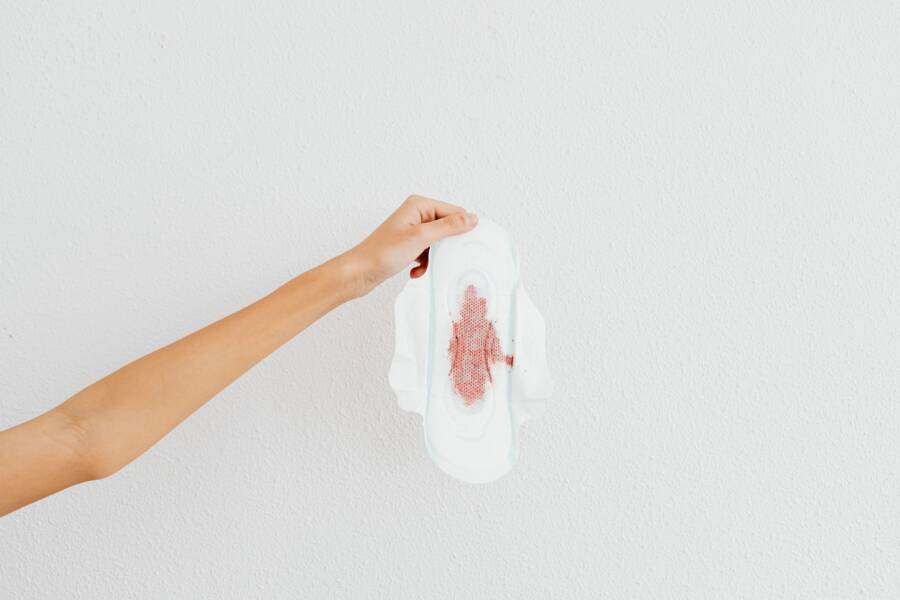
Yes, an old blood stain that turned brown is still removable, provided you treat the fabric carefully and avoid heat. The color change happens because hemoglobin inside the blood loses its iron and reacts with oxygen over time, turning the bright red spill into a stubborn brown mark.
Why Old Blood Turns Brown and How It Effects Removal
Blood changes color because of a natural oxidation process. When liquid blood hits fabric, it contains iron-rich hemoglobin. Exposure to air causes that iron to oxidize. The bright red hue shifts to a dull brown. This chemical shift makes the protein molecules bond tightly with the fabric weave.
The Chemical Reaction Behind Oxidized Stains
Oxygen acts as a catalyst for setting proteins deep into textile fibers. Room temperature speeds up this binding process. If the garment sits in a laundry hamper for weeks, the air solidifies the organic matter. The stain stops being a surface spill. It becomes a hardened part of the cloth structure.
How Brown Stains Differ From Fresh Red Spills
Fresh red blood contains soluble proteins that rinse away easily in cold water. Aged brown stains lack that solubility. The iron has settled and cured inside the threads. Ordinary laundry detergent cannot break down the oxidized iron on its own. You need targeted methods to lift the aged deposit.
Old Blood Stain That Turned Brown: Is It Still Removable
Success depends on the material type and previous washing cycles. Natural fibers hold onto set-in proteins much longer than synthetics. If you already ran the garment through a hot dryer cycle, the chances of total removal drop significantly. However, unheated cotton and polyester blends often recover completely after a proper enzyme soak.
Fabrics That Stand the Best Chance of Recovery
Cotton, linen, and durable synthetic blends handle deep cleaning processes well. These materials possess strong weaves that tolerate scrubbing and chemical treatments. You can apply stain removers directly to these sturdy textiles without causing immediate damage to the garment structure.
Delicate Materials Requiring Special Care
Silk and wool demand extreme caution during stain removal. Harsh chemical agents destroy animal-based protein fibers instantly. You must use diluted solutions and gentle blotting techniques on these delicate textiles. Otherwise, the cleaning process ruins the garment faster than the stain itself.
Step-by-Step Guide to Lifting Stubborn Brown Protein Marks
Lifting aged protein requires patience and the right household supplies. You need cold water, a basin, and a reliable protein-busting agent.
Fill a basin with cold water and submerge the stained area for at least one hour.
Apply a liquid laundry detergent containing active enzymes directly to the brown mark.
Gently work the detergent into the fibers using your fingers or a soft brush.
Let the garment sit for thirty minutes without letting the solution dry out.
Rinse the area thoroughly with cold running water to flush out the loosened particles.
Mixing and Applying Enzyme Treatments Safely
Protease enzymes target organic matter effectively. They slice protein chains apart without harming synthetic dyes. Apply a few drops of liquid enzyme detergent straight to the spot. Give the product time to digest the aged molecules before rinsing. Check the garment label first to verify the fabric tolerates enzyme exposure.
Using Cold Water Soaks to Loosen Aged Fibers
Hot water cooks protein stains into the fabric permanently. Cold water keeps the molecules loose and responsive to treatment. Submerge the stained textile in a cold bath for several hours. This extended soak softens the hardened iron deposits. Afterward, the stain responds much better to mechanical agitation.
Common Mistakes That Permanently Set Brown Blood Marks
Many well-meaning cleaning attempts ruin a garment permanently. Avoiding critical errors increases your chances of saving your clothing.
Why Heat From Dryers Seals the Stain Forever
Dryer heat acts as a cooking agent for blood proteins. High temperatures bond the iron and hemoglobin to the fabric threads on a molecular level. Once heated, the stain becomes chemically permanent. Always inspect washed garments before putting them into a machine dryer.
The Dangers of Using Chlorine Bleach on Protein Spills
Chlorine bleach reacts poorly with blood proteins. Instead of removing the mark, bleach darkens the iron component further. It binds the stain permanently to white and colored fabrics alike. Stick to oxygen-based agents or specialized enzyme cleaners for safe results.
Old blood stains require cold water, enzyme treatments, and strict avoidance of heat. Check your garments carefully before drying them to ensure complete stain removal. Patience during the soaking phase guarantees the best outcome for your clothes.