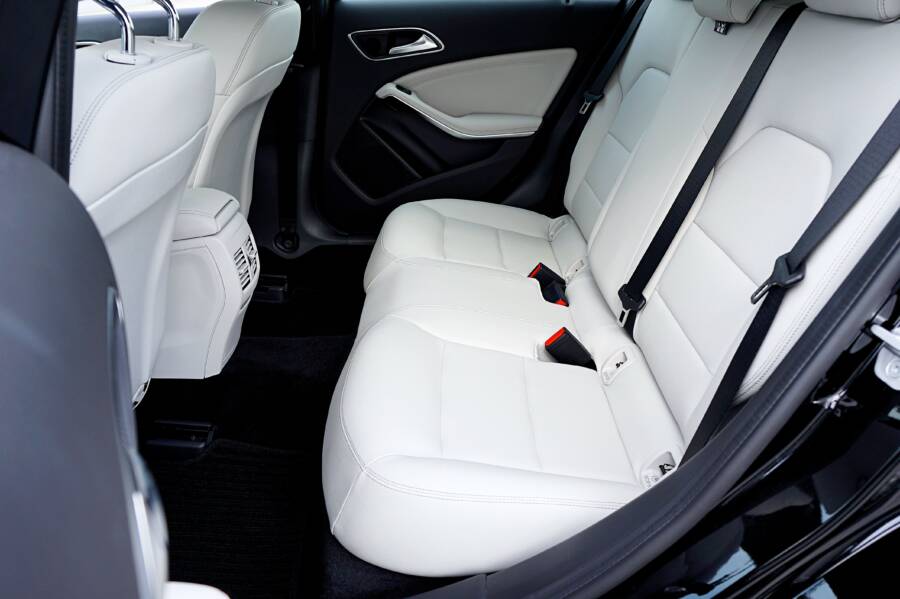
Remove the cover if the manual allows it, blot up the milk, clean the spot with a small amount of mild soap solution, and dry the seat completely. To remove milk stains and the smell from a car seat, you must also check whether the spill reached the foam.
Milk odor often returns because liquid remains below the fabric. The safest method depends on whether you’re cleaning a child safety seat or vehicle upholstery, so read the care instructions before using water, cleaners, or heat.
How to Remove Milk Stains and the Smell From a Car Seat
Start by identifying the seat type and reading its manual or care label. Child safety seats have specific rules for covers, harnesses, buckles, foam, and cleaning products. Vehicle upholstery usually allows more cleaning options, but it still needs low moisture.
Next, remove loose items and blot the spill before treating the fabric. Use a small amount of diluted mild soap, wipe away residue with clean water, and dry the seat with strong airflow. If the smell returns, inspect the foam, seams, and underside rather than applying more fragrance.
Check the Seat Material and Safety Rules Before Cleaning
An infant or convertible car seat must follow its manufacturer’s instructions first. Check the manual before removing a cover, washing straps, using disinfectants, applying heat, or taking apart any component. Never use bleach, ammonia, harsh solvents, or aggressive scrubbing on harness webbing, safety labels, buckles, or padding.
What to Gather for a Safe Milk Spill Cleanup
Prepare clean towels, a soft brush, a vacuum, lukewarm water, mild unscented soap, and a spray bottle. A small amount of baking soda can help with dry removable fabric only when the manufacturer permits it.
Use towels to absorb liquid without spreading it.
Use a soft brush for dried residue on approved fabric.
Keep a vacuum nearby for loose milk powder and dry baking soda.
Mix about 1 teaspoon of mild soap into 2 cups of lukewarm water for vehicle upholstery.
Find Out Whether the Milk Reached the Foam
Inspect seams, creases, the underside of the cover, and the area beneath the seat. Press a dry towel into these areas to check for moisture. A sour smell that returns after surface cleaning usually means milk remains in the padding, not that the visible stain was missed.
Blot Fresh Milk Before It Dries Into the Fabric
Remove toys, liners, and loose items first. Blot from the outside of the spill toward the center, using a clean towel each time the fabric becomes wet. Don’t rub, because rubbing pushes milk farther into the fibers and foam.
If the manual allows cover removal, lift it carefully and blot both sides. For fixed upholstery, dampen a cloth with diluted mild soap rather than spraying the seat directly. Blot several times, then wipe the area with a clean damp cloth to remove soap residue.
How to Clean a Removable Car Seat Cover
Read the care label before washing the cover. Pre-treat the spot with a barely damp cloth, then machine-wash it with mild detergent only if the instructions approve machine washing. Air-dry the cover fully before reinstalling it, because trapped moisture can bring the odor back.
How to Clean Milk From Nonremovable Upholstery
Work in small sections and apply cleaner to the cloth, not directly onto the seat. Blot up the loosened milk and cleaner after each section, then use a separate damp cloth to rinse away residue. Leave the doors open or windows cracked, and use a fan to improve airflow.
Remove Dried Milk Stains Without Damaging the Seat
Soften dried milk with a lightly damp cloth for several minutes. Gently lift the residue with a soft brush or clean cloth, then repeat the mild cleaning process if necessary. Several light treatments are safer than heavy scrubbing, which can spread the stain and damage fabric fibers.
Treat Milk Residue in Seams, Creases, and Buckle Areas
Use a cotton swab or soft toothbrush for approved fabric around seams and narrow creases. Keep liquid away from buckles, electrical connectors, harness hardware, and latch mechanisms. Wipe away cleaner residue, and never force liquid into a buckle or try to rinse it internally.
Neutralize the Sour Milk Smell After Cleaning
Odor control starts with removing the milk residue. Air fresheners only cover the smell, while damp foam, dirty seams, or milk beneath the cover can continue producing it. After cleaning, ventilate the seat until every layer feels dry.
Once dry, place baking soda on removable fabric only when the care instructions allow it. Leave it for several hours, then vacuum it away completely. To remove milk stains and the smell from a car seat, repeat an approved cleaning treatment rather than adding perfume.
When Enzyme Cleaners Are Safe to Use
An enzyme-based upholstery cleaner may break down milk proteins, but confirm that the product is compatible with the fabric, foam, and seat type. Test it on a hidden area and use the smallest amount possible. Never apply it to harness straps or safety components unless the manufacturer specifically approves it.
Why the Odor Returns After It Seems Gone
A returning smell usually comes from damp foam, milk under the cover, residue in seams, or a cover that went back on before it dried. Warm or humid conditions can make hidden residue smell stronger. If that happens, repeat the approved cleaning and drying process, or arrange professional service for fixed upholstery.
Dry the Seat Completely and Reassemble It Correctly
Drying is a safety step, not a cosmetic detail. Press clean towels into seams and foam-access areas, then use shade, ventilation, and a fan to remove moisture. Avoid hair dryers, heaters, steam, and direct heat because they can affect fabric, foam, plastic, or adhesives.
How Long to Wait Before Using the Seat
Wait until the seat feels completely dry inside and out. A surface that feels dry can still hide moisture in the foam, so press a dry towel into the seams before use. If the towel becomes damp or the sour smell remains, continue ventilating the seat.
Reinstall a child safety seat cover exactly as shown in the manual. Confirm that every strap, pad, label, and restraint component sits in its original position before securing the seat.
Avoid Cleaning Mistakes That Can Damage a Car Seat
Avoid soaking the seat, machine-washing an unapproved cover, using bleach or ammonia, applying perfume to hide odor, scrubbing harness straps, using an unapproved steam cleaner, or reinstalling damp padding. These shortcuts can leave chemical residue, damage materials, or create a safety problem.
When to Replace Parts or Call a Professional
Cleaning may not be enough if the odor remains after approved treatment and full drying. Visible mold, damaged foam, torn fabric, or a harness that cannot be cleaned according to the manual requires advice from the manufacturer or a certified child passenger safety technician.
Professional upholstery cleaning makes sense when milk has soaked into fixed vehicle foam or gentle cleaning fails repeatedly. Ask the cleaner which products and moisture levels they use, especially if a child safety seat is involved.
Prevent Future Milk Spills From Becoming Lingering Odors
Use a washable seat protector only when the seat manufacturer approves it. Keep leakproof containers upright, check cup holders and seat creases during cleanup, and carry spare towels with a small amount of approved cleaner. Clean spills the same day, then ventilate the vehicle until all fabric and padding are dry.
Conclusion
Blot fresh milk immediately, clean the residue with an approved mild method, and treat odor only after the milk is gone. Complete drying matters as much as stain removal, especially when foam is involved.
For a child safety seat, the manufacturer’s instructions control every decision about harnesses, buckles, covers, foam, cleaning products, and replacement parts. When those instructions don’t approve a treatment, don’t use it.