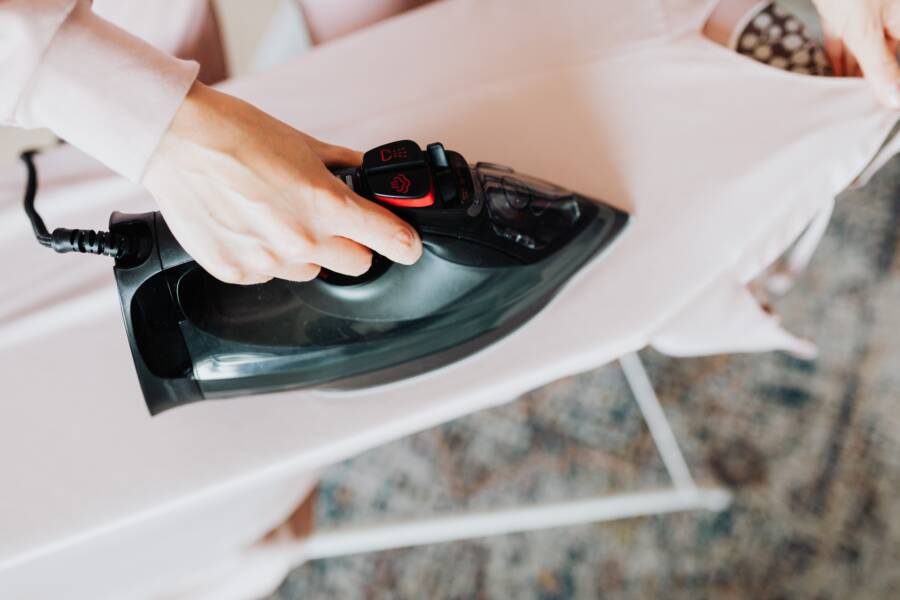
An ink stain that set after ironing requires immediate action with strong chemical solvents because heat permanently bonds ink pigments to fabric fibers. Standard laundry detergents fail entirely on heat-cured stains because the thermal energy polymerizes the carrier oils. You cannot simply throw the garment into a hot wash cycle, as heat seals the disaster further into the textile. Removing this type of stubborn mark demands patience and the correct application of chemical solvents that break down the pigment matrix.
Why Ironing Makes Ink Stains Permanent
High temperatures from a standard household iron melt ballpoint pen oils and bake dye pigments deep inside cotton or synthetic threads. This thermal process changes the physical state of the ink from a liquid sitting on top of the fabric into a solid resin embedded within the weave.
The Chemical Bond Between Heat and Pigment
Standard laundry detergent fails because the pigment is chemically locked into the textile matrix. Ballpoint inks contain resins, lubricants, and colorants that cross-link when exposed to high heat. Once this polymerization occurs, water-based soaps cannot penetrate the hardened structure to lift the dye molecules away from the thread.
Why Hot Water and Standard Washing Machines Fail
Throwing the garment straight into a hot wash cycle after ironing only seals the disaster further. Hot water acts as a secondary heat source that continues to cure any remaining solvent oils. The washing machine agitation alone lacks the localized solvent power needed to dissolve heat-cured synthetic resins.
Chemical Solvents That Break Down Heat Set Ink
Heavy-duty solvents are required to break down heat-cured ink without destroying the underlying fabric. You must select the chemical agent based on the specific fiber content of the garment and the type of pen used.
Using Rubbing Alcohol to Dissolve Pigments
Applying high-concentration isopropyl alcohol helps lift stubborn dye by dissolving the binding oils. You should pour ninety-one percent isopropyl alcohol onto a clean cotton ball and press it firmly against the stained area. The alcohol breaks the remaining polymer bonds so the pigment can transfer away from the textile.
Nail Polish Remover and Acetone Warnings
Acetone dissolves many types of pen ink instantly, but it melts synthetic fabrics like acetate, triacetate, and modacrylic. You must check the clothing care label before opening a bottle of nail polish remover. If the garment contains polyester or spandex blends, acetone will permanently dissolve holes into the material.
Commercial Stain Removers Designed for Ink
Over-the-counter options like Carbona Stain Devils or Goof Off target ink specifically through specialized solvent blends. These products contain petroleum distillates and surfactants formulated to break down stubborn ballpoint formulations. Always apply these commercial liquids in a well-ventilated room while wearing protective gloves.
Step by Step Guide to Removing an Ink Stain That Set After Ironing
Walking through a practical cleaning procedure from start to finish ensures you do not accidentally spread the pigment.
Preparing Your Workspace and Testing Fabric Safety
Place clean paper towels under the stain to catch dissolving ink before it bleeds onto the back layer of fabric. Dip a cotton swab into your chosen solvent and dab an inside seam to test fabric safety. If the dye doesn’t bleed and the fibers remain intact, proceed to the main treatment area.
Blotting and Lifting the Softened Ink
Emphasize blotting instead of rubbing so the ink does not spread further across the garment. Press a fresh section of your paper towel or cotton pad onto the wet stain repeatedly. You will notice the pigment transferring upward out of the weave and onto the absorbent towel below.
Rinsing and Laundering Correctly
Complete a final cold water rinse and check the fabric under bright lighting to ensure the stain is completely gone. Wash the garment by itself in cold water with regular detergent before wearing it again. Never apply heat from a dryer or iron until you verify that zero trace of the original mark remains.
Special Treatment for Delicate and Colored Fabrics
Sensitive materials like wool, silk, or bright colors require alternative mixtures because harsh solvents cause fiber degradation and fading.
Protecting Natural Silk and Wool from Solvents
Natural protein fibers like silk and wool dissolve or weaken when exposed to acetone and high-concentration alcohols. Mix a solution of liquid dish soap, white vinegar, and lukewarm water to gently lift the stain without destroying the weave. Dab this milder mixture onto the affected area with a soft-bristled brush.
Preventing Color Bleed While Treating Stains
Spot-treat dyed garments carefully without stripping the surrounding factory color from the textile. Dab the solvent directly onto the ink mark using a fine-tipped cotton swab rather than soaking the entire panel. Rinse the treated spot immediately with cold water if you notice any dye transfer onto your cleaning cloth.