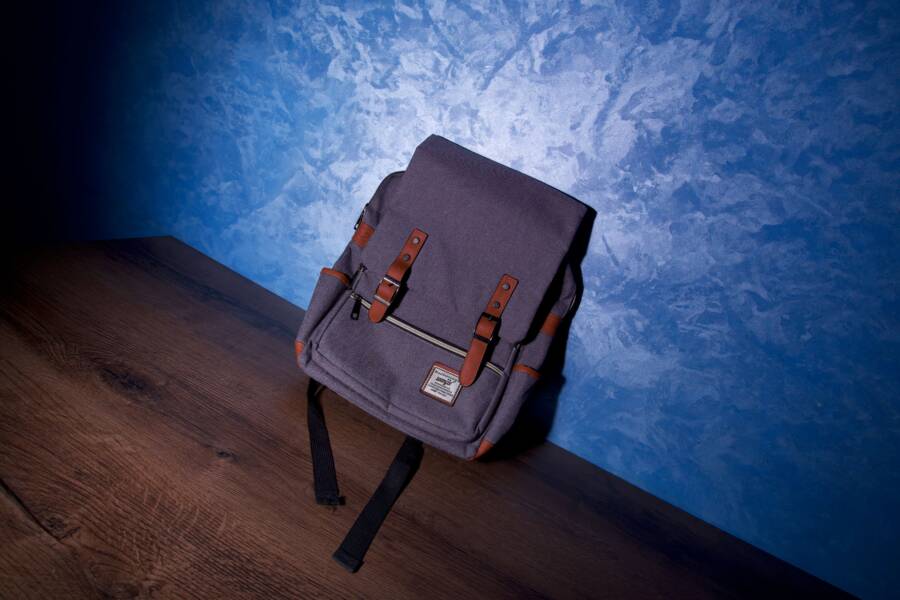
You can remove ink on a nylon backpack completely if you act quickly and avoid heat. Ballpoint or gel marks look permanent on synthetic gear, but standard household items dissolve the pigment safely.
Why Ink on a Nylon Backpack is Hard to Clean
Nylon is a synthetic polymer made from petroleum products. Unlike natural fibers like cotton, nylon does not absorb moisture into its core. Instead, ink sits in the tight weave of the fabric or bonds with the polyurethane backing applied to make the bag water-resistant. Heat makes this problem worse by baking the synthetic ink resins directly into the plastic fibers.
Understanding Nylon Fabric and Synthetic Fibers
Nylon threads possess high tensile strength, so they resist tearing and routine abrasion. However, petroleum-based textiles react poorly to aggressive organic solvents like acetone. Acetone melts nylon instantly, turning your backpack strap or pocket into a sticky plastic ruin. You need solvents that dissolve ink polymers without altering the underlying synthetic structure of the bag.
The Danger of Hot Water and Heat Dryers
Hot water causes ink resins to set permanently inside nylon weave. Many people throw a stained bag into the washing machine on a warm cycle, or worse, toss it into a tumble dryer. Heat melts the ballpoint oils and fixes the dye molecules to the fabric. Once heat bonds the pigment, even professional dry cleaners struggle to lift the mark. Always use cold water during every phase of ink removal.
Safe Household Solutions for Removing Ink from Nylon
Simple household liquids break down ink pigments without melting or discoloring your backpack material. Isopropyl alcohol, dish soap, and white vinegar target the oil binders holding the ink together. You probably have these items in your kitchen or bathroom right now.
Using Rubbing Alcohol and Cotton Swabs
Isopropyl alcohol rated at seventy or ninety percent breaks down ballpoint ink effectively. Pour a small amount of alcohol into a glass dish, then dip a cotton swab into the liquid. Dab the swab directly onto the ink mark without scrubbing. The alcohol dissolves the pigment, and the cotton absorbs the loosened liquid. Switch to a fresh swab frequently as the ink transfers off the bag.
Applying Dish Soap and White Vinegar Mixtures
Water-based inks respond well to a mild surfactant and acid mixture. Combine one tablespoon of liquid dish soap with one tablespoon of white vinegar and two cups of cold water in a bowl. Dip a clean microfiber cloth into the solution and blot the stain gently. Vinegar neutralizes the dye components while dish soap lifts the loosened residue away from the nylon threads.
Testing Hand Sanitizer on Fresh Stains
Gel hand sanitizer contains a high concentration of ethyl alcohol wrapped in a thick carrier base. Squeeze a pea-sized drop of clear sanitizer directly onto the ink spot. Let the gel sit for three minutes so the alcohol penetrates the synthetic fibers. Wipe the area clean with a damp cloth to remove both the sanitizer and the dissolved ink pigments.
Step by Step Guide to Cleaning Ink on a Nylon Backpack
A methodical approach prevents the ink from spreading to clean areas of your bag. Gather your supplies, set up a proper workstation, and follow a chronological sequence.
Preparing Your Work Area and Protecting the Bag Interior
Slide a clean, folded cotton towel inside the backpack pocket or main compartment directly behind the stain. This barrier stops dissolved ink from bleeding through to the lining or the opposite side of the bag. Lay the backpack flat on a stable surface under good lighting so you can see the edges of the mark clearly.
Applying the Solvent and Blotting the Stain
Work from the outside edges of the ink mark toward the center. Rubbing outward pushes the liquid into clean nylon, creating a wider halo. Press down firmly with your soaked cotton swab or cloth, lifting straight up rather than scraping sideways. Replace your swab as soon as it turns dark with lifted ink.
Rinsing and Air Drying the Backpack Properly
Dampen a separate cloth with plain cold water and wipe the treated zone to remove residual alcohol or soap. Pat the wet area with a dry towel to pull out excess moisture. Hang the backpack in a well-ventilated room out of direct sunlight and let it air dry completely before using it again.
Commercial Stain Removers That Work on Synthetic Gear
Commercial formulas offer an alternative when household items fail to lift stubborn marks. Choose products formulated specifically for technical fabrics and synthetic outdoor gear.
Using Oxygen Based Bleach Alternatives
Color-safe oxygen bleach releases active oxygen molecules when mixed with water. These bubbles break down organic and chemical ink dyes without attacking the synthetic nylon polymer. Mix powder oxygen bleach with cool water according to the package directions, apply it to the stain with a soft sponge, and let it sit for twenty minutes before rinsing.
Applying Specialized Fabric Spot Cleaners
Outdoor gear brands sell specialized spot cleaners designed for technical backpacks. These formulas lift oil, grease, and ink without stripping the durable water repellent coating off the fabric. Spray a small amount onto a soft cloth, dab the stain, and rinse with cold water.
Mistakes to Avoid When Cleaning Synthetic Backpacks
Certain common errors ruin backpacks during the stain removal process. Avoiding these mistakes saves your gear from permanent damage.
Why Chlorine Bleach Ruins Nylon
Chlorine bleach causes an irreversible chemical reaction with synthetic fibers. It weakens the molecular bonds of nylon, causing the fabric to turn yellow, brittle, and structurally compromised. Never apply chlorine bleach to any nylon item, even if you dilute it heavily with water.
Avoiding Abrasive Brushes and Sponges
Stiff nylon brushes or metal scouring pads fray the woven threads of your backpack. Abrasive tools fuzz the surface of the fabric, leaving permanent bald spots and textural damage. Stick to cotton swabs, microfiber cloths, and soft-bristled toothbrushes for all cleaning tasks.
What to Do If the Ink Stain Will Not Budge
Some ink marks refuse to come out completely despite your best efforts. You still have practical alternatives when home remedies fail.
Evaluating Professional Dry Cleaning Services
Take expensive technical packs to a professional cleaner who handles outdoor gear and technical fabrics. Inform the staff that the stain is ballpoint or gel ink on nylon so they avoid using heat or harsh dry-cleaning solvents that melt plastic fibers.
Covering Permanent Stains with Patches or Pins
Embroidered patches or enamel pins provide low-cost solutions for masking stubborn ink marks. Iron-on patches require low heat settings and a pressing cloth to avoid melting the nylon base. Enamel pins push directly through the weave without damaging the surrounding fabric, hiding the stain in plain sight.