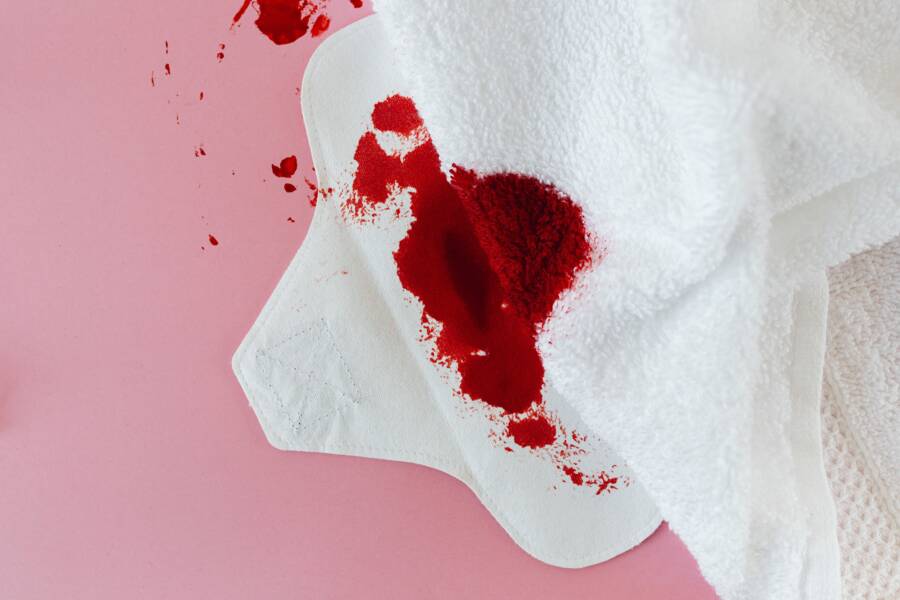
To lift dried blood from denim without ruining the indigo wash, soak the stained area in ice-cold salt water for thirty minutes, apply a few drops of hydrogen peroxide or an enzyme-based stain remover directly to the back of the fabric, and gently blot the spot before laundering the jeans on a delicate, cold-water cycle. Hot water is the absolute enemy of protein stains because heat permanently bonds hemoglobin and iron to cotton fibers while stripping the blue dye right out of your favorite jeans.
Why Hot Water Ruins Denim and Sets Blood Stains
The cleaning routine you choose dictates whether your jeans survive a laundry accident. Most people grab whatever detergent is nearest and toss the garment into a warm or hot wash cycle. That reaction permanently ruins the fabric.
The Chemistry of Protein Stains
Blood is primarily composed of proteins, water, and iron. When you introduce heat to a protein stain, you cook it. Warm or hot water denatures the proteins, causing them to unroll and tightly grip the tiny cellulose fibers of the cotton denim. Once heat bonds that iron and protein matrix into the weave, the stain becomes nearly impossible to lift. Cold water keeps the proteins relaxed, allowing them to dissolve and release their grip on the textile.
How Heat Strips Indigo Dye
Indigo dye sits primarily on the outer layers of cotton threads rather than saturating the core of the yarn. High water temperatures and aggressive machine agitation force the cotton weave to swell and open up. This mechanical stress causes the blue dye to bleed out into the wash water alongside the loosened stain. You end up with a pale, discolored patch where the stain used to be, destroying the dark, uniform wash of the denim.
Step by Step Guide on How to Lift Dried Blood From Denim Without Fading the Wash
Treating dried blood requires patience and targeted chemistry. You need to break down the hardened proteins without abrading the indigo surface of the denim.
Pre-Soaking in Ice Cold Salt Water
Mix one tablespoon of regular table stock salt into two cups of ice-cold water in a small basin. Submerge the stained portion of the denim into the saline solution. The salt increases the ionic strength of the water, which helps break down the protein bonds in the dried blood cells. Let the jeans soak for at least thirty minutes. You will notice the dark reddish-brown crust begin to soften and dissolve into the cold liquid.
Spot Treating with Hydrogen Peroxide or Enzyme Cleaners
Lay the damp jeans flat on a clean towel with the inside of the fabric facing up. Apply a three percent hydrogen peroxide solution directly to the back of the stain. The peroxide will fizz as it reacts with the remaining blood catalase. Alternatively, use a liquid laundry detergent containing active protease enzymes. Blot the stain gently from the outer edges toward the center using a clean white cloth. Pushing the solution through from the back forces the blood out of the denim rather than driving it deeper into the cotton weave.
Safe Washing Techniques to Protect Your Favorite Jeans
After you successfully lift the stain, you still need to launder the entire pair of jeans safely. Standard machine settings can easily ruin the surrounding fabric if you aren’t careful.
Turning Jeans Inside Out and Using the Delicate Cycle
Turn your jeans completely inside out before putting them into the washing machine. This simple step shields the exterior indigo fibers from friction against the drum and other garments. Set your washing machine to the most delicate cycle available and verify that the water temperature dial is set to cold. Add a mild, dye-free liquid detergent to protect the remaining color.
Air Drying Versus Machine Drying
Never put blood-treated denim into a heated electric or gas clothes dryer. Dryer heat acts as a secondary bonding agent if any microscopic trace of the protein stain remains in the fabric. Hang your jeans by their belt loops on a drying rack or a sturdy clothesline in a well-ventilated area. Air drying preserves both the elasticity of the cotton and the deep, rich tone of the indigo wash.