Remove the linens from the mothball container, air them outside or in strong ventilation, then wash them according to the care label. How to get mothball smell out of linens often takes more than one treatment because mothballs release pesticide vapors that cling to fabric and storage surfaces.
Don’t sleep on, wear, or use linens while a strong chemical odor remains. Start with fresh air and a careful wash, then address the storage space so clean fabric does not pick up the smell again.
How to Get Mothball Smell Out of Linens Safely
Take the linens outdoors and shake them gently to remove loose residue. Keep them away from children, pets, food, and outdoor furniture while you handle them. Then air the items for 24 to 48 hours before washing.
Wash each item in the warmest water allowed on its care label. Use your usual amount of laundry detergent, select an extra rinse if your machine offers it, and dry the fabric completely. Avoid overloading the washer, since crowded loads trap odor in folds.
Air Out the Linens Before Washing
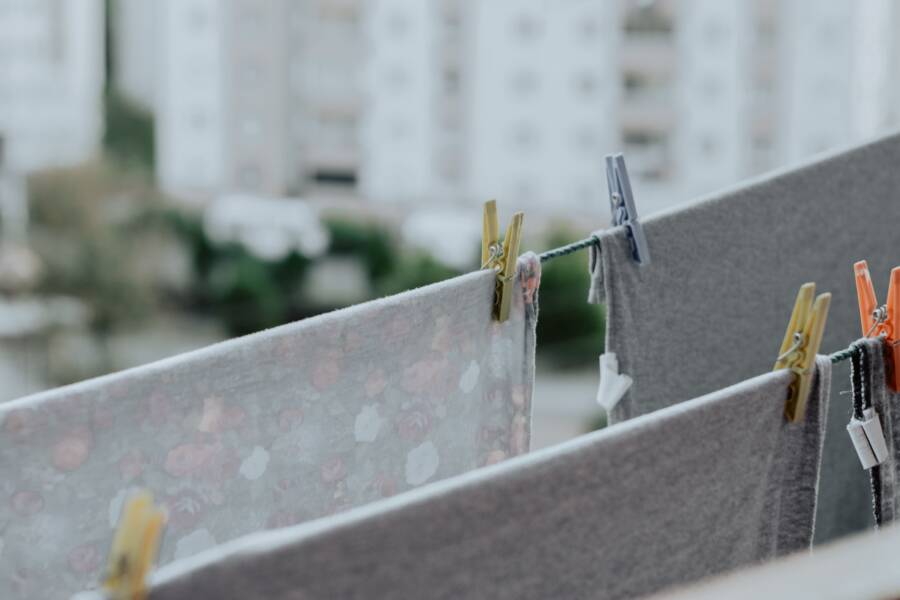
Hang sheets and pillowcases on a clean clothesline in the shade, or spread them over a clean drying rack. Fresh air helps trapped vapors leave the fibers before water and detergent do the rest of the work.
If outdoor airing is not possible, use a well-ventilated laundry room with open windows and a fan. Don’t place the linens on grass, pavement, or a dirty floor, since they can collect soil and moisture.
Wash With the Right Detergent and Water Temperature
Cotton sheets and towels usually tolerate warm water, while delicate fibers may require cold water or professional care. Check the label before choosing a cycle, especially for dyed, embroidered, or vintage pieces.
Never mix chlorine bleach with vinegar, ammonia, or any other cleaner. Those combinations can create dangerous fumes, and bleach rarely solves a mothball odor problem on its own.
Use Vinegar, Baking Soda, or Activated Charcoal
After the first wash, treat any remaining odor with one method at a time. For sturdy washable linens, add one cup of white vinegar to the rinse compartment during a second wash. Vinegar can help reduce lingering odor, but it does not instantly remove pesticide residue.
For another option, soak washable cotton items in cool or warm water with one cup of baking soda per gallon of water for several hours. Rinse well, then wash again with detergent. Test a hidden corner first if the item has bright dyes.
Choose an Odor Treatment That Fits the Fabric
Cotton, polyester, and many washable blends can usually handle a repeat wash, vinegar rinse, or baking soda soak. Stop immediately if colors bleed or the fabric feels rough, stiff, or weakened.
Keep dry silk, wool, rayon, antique lace, and embroidered linens away from soaking treatments. Place fully dry items in a clean sealed container with activated charcoal in a separate open dish or sachet. The charcoal should never touch the fabric directly.
Handle Blankets, Quilts, and Delicate Linens With Care
Large blankets and quilts hold odor in batting, seams, and multiple fabric layers. Air them in shade for one or two days, turning them occasionally so both sides receive airflow. Wash only if the care label permits machine or hand washing.
Take silk, wool, heirloom quilts, dry-clean-only bedding, and fragile antique linens to a professional cleaner. Tell the cleaner that the item was stored with mothballs. That information helps them select a suitable cleaning method and avoid treatments that damage the fibers.
Clean the Storage Area Before Returning Linens
Closets, drawers, plastic bins, suitcases, and shelves can retain mothball vapors for weeks. Remove every mothball, packet, and piece of scented cardboard before putting clean linens back. Wear gloves if you find loose residue.
Wash hard surfaces with mild dish soap and water, then wipe them with a clean damp cloth. Dry the space fully and leave it open for several days. Place activated charcoal inside the empty area to absorb residual odor.
Check Nearby Items for Trapped Odor
Inspect towels, clothing, box liners, bedding, and bags stored near the affected linens. One untreated item can transfer the smell back to everything else.
Air, wash, dry-clean, or separate each item based on its material and care label. Replace cardboard boxes, paper liners, or fabric bags that still smell strongly after airing.
Avoid Mistakes That Make Mothball Odor Worse
Don’t spray perfume, fabric freshener, or essential oils onto mothball-scented linens. Covering the odor can make it harder to tell whether pesticide vapors remain. It can also leave stains or irritate sensitive skin.
Avoid placing unwashed linens directly in a dryer. Heat can intensify odors in an enclosed space and transfer them to the dryer drum. Long exposure to direct sun can also fade dyes and weaken fragile fibers.
Mothballs are pesticides, not general-purpose scent products. Keep them away from children and pets, and use them only as their label directs.
Know When to Discard Mothball-Scented Linens
Discard or seek professional help when a strong odor remains after two or three full cleaning cycles. Visible oily residue, damaged fibers, unknown exposure, or fabric that cannot be washed are also clear warning signs.
Take extra care with items used by babies, people with asthma, or anyone sensitive to chemical smells. Seal unwanted linens in a bag, then follow local household hazardous-waste or pesticide-disposal instructions. Never burn mothball-contaminated fabric or pour mothballs into drains.
Store Clean Linens Without Mothballs
Wash and dry linens completely before storage. Pack them in clean, dry containers or breathable cotton bags, and keep the area cool and dry. Check stored fabrics every few months for moisture, insect damage, and stale odors.
Cedar products, lavender sachets, and airtight containers may help with storage in some homes. However, avoid placing any pest-control product directly against bedding, and always follow the product label.
Final Steps for Fresh, Usable Linens
Air the linens, wash them safely, repeat one odor treatment if needed, and clean the storage area before putting anything away. Mothball smell should fade with careful handling, but a persistent chemical odor means the item needs professional cleaning or disposal.
Clean linens should smell like clean fabric, not pesticide vapors.