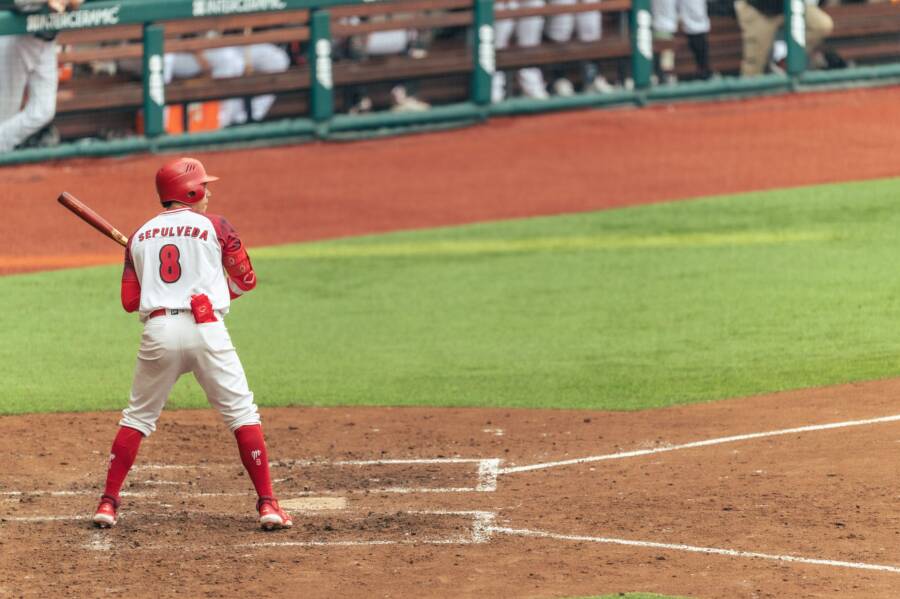
Brush off loose dirt, rinse the stain from the back with cold water, then pre-treat it before washing. This is the quickest way to get grass stains out of white baseball pants without damaging the fabric.
Fresh stains usually respond well to prompt treatment, while dried stains may need two rounds. The right cleaner and avoiding dryer heat matter more than aggressive scrubbing. Start with the care label, then use this process.
How to Get Grass Stains Out of White Baseball Pants
Follow these steps as soon as possible:
Shake or brush loose soil from the pants with a soft toothbrush or laundry brush.
Turn the pants inside out and rinse the green mark from the back with cold or lukewarm water.
Apply liquid laundry detergent or an enzyme-based stain remover directly to the stain.
Work the product into the fabric gently with your fingers or a soft brush.
Let it sit for 10 to 15 minutes.
Wash the pants according to the care label.
Check the stain before putting the pants in the dryer.
Cold or lukewarm water is safer during treatment because hot water can help set some organic stains and may stress synthetic fibers. If any green remains after washing, repeat the treatment while the pants are still damp.
What to Gather Before You Treat the Stain
Collect a soft toothbrush or laundry brush, liquid detergent, clean towels, and a basin. An oxygen-based bleach labeled safe for white clothing can help with older marks.
Check the care label before using any cleaner. Elastic, printed logos, colored piping, and synthetic performance fabric may react differently than plain white cotton.
Why Treating the Back of the Fabric Helps
Rinsing from the inside pushes grass pigment and soil out through the fabric instead of forcing them deeper. Use flowing water for rinsing, but keep brushing gentle.
Hard scrubbing can spread the mark, roughen the fibers, or damage the finish on performance fabric. Work from the back whenever you can, then rinse through the front only after the loose residue has lifted.
Treat Fresh Grass Stains Before Washing the Pants
Fresh marks are easiest to remove right after a game. Lift wet dirt with a spoon or dull edge, then flush the green area with cool water from the back. Avoid rubbing the mud across clean fabric.
Apply liquid detergent promptly and leave it on for 10 to 15 minutes. Do not place untreated pants straight into the washer, and never put them in the dryer before checking the stain.
How to Handle Mud Mixed With Grass
If thick mud is already drying, let it dry enough to brush away without smearing it. Loosen the remaining soil with a soft brush, then treat the green discoloration with detergent.
For wet mud, use a spoon or dull butter-knife edge to lift the material. Rubbing wet mud usually pushes soil farther into the weave and creates a larger cleaning area.
Use Oxygen Bleach for Stubborn Green Marks on White Pants
An oxygen-based bleach soak can help with an older or deeper grass stain after detergent treatment. Choose a product labeled safe for whites, follow its dilution directions, and dissolve the powder or solution fully before adding the pants.
Soak only for the time stated on the product label, then rinse the pants before laundering. Chlorine bleach shouldn’t be the default because it can weaken fibers, damage elastic, cause yellowing, and create uneven results.
Test Cleaners on Hidden Fabric First
Test oxygen bleach, hydrogen peroxide, or a strong stain remover on an inside seam. Wait for the test area to dry and check for fading, roughness, or color change.
This precaution matters even with white pants. Logos, stitching, trim, and performance finishes may contain colored or treated fibers that react differently.
When Hydrogen Peroxide May Be Appropriate
A small amount of standard 3% hydrogen peroxide can be considered for a persistent mark on plain white fabric if the care label allows it. Test the inside seam first, and apply it only to the white area.
Don’t use peroxide on colored piping or logos, and never mix it with bleach, vinegar, ammonia, or another cleaner. Rinse the fabric before applying a different product.
Wash White Baseball Pants Without Setting the Stain
Use the temperature listed on the care label and a quality liquid laundry detergent. Select the normal or heavy-duty cycle that suits the fabric and soil level.
An overloaded washer leaves less room for water and movement, which can reduce cleaning. When practical, wash heavily soiled baseball pants separately from lightly soiled clothing.
Inspect the Pants Before Using the Dryer
Check the pants under bright light while they’re still damp. Air-dry them or lay them flat until you know the green mark has disappeared.
Dryer heat can make a remaining stain harder to remove. If you still see discoloration, repeat the detergent treatment and wash once more instead of increasing the heat.
Remove Dried Grass Stains Without Damaging the Fabric
Dried stains often need more time, not harsher scrubbing. Brush away dry residue, then pre-treat with liquid detergent for 15 to 30 minutes if the care label permits.
For white fabric, follow with a label-approved oxygen bleach soak when detergent alone fails. Stains that went through a hot dryer may not disappear completely, but careful repeat treatment gives you a better chance than abrasive scrubbing.
What to Do If the First Wash Does Not Work
Inspect the fabric first. Repeat the detergent treatment, try an oxygen bleach soak according to its label, and wash the pants again at the permitted temperature.
Stop if the fabric starts to weaken or a logo and colored trim begins to fade. Never combine products to create a stronger mixture, since the reaction can damage fabric or release harmful fumes.
Avoid These Common Grass-Stain Removal Mistakes
Hot water before treatment can set the stain or stress elastic fibers. Hard rubbing can spread pigment and damage the fabric surface.
Chlorine bleach may weaken the pants or yellow the material if you use it without checking the label. Washing while mud remains can grind soil into the fibers, while drying too soon can lock in the green mark.
Why Household Remedies Can Backfire
Harsh abrasives can wear through synthetic baseball fabric. Undiluted vinegar may affect finishes and doesn’t replace a proper stain treatment.
Random cleaner combinations are harder to control and may produce irritating fumes. Liquid detergent and a label-approved oxygen bleach provide a simpler approach with less risk.
Keep White Baseball Pants Cleaner During the Season
Treat visible stains on game day whenever possible. Keep a small, fabric-safe pre-treatment product with the team laundry supplies, and separate muddy uniforms from other clothing.
Follow the care label for every wash, and don’t store damp pants in a sealed bag. Regular washing and quick spot treatment are safer than repeated harsh bleaching.
A Simple Post-Game Routine
Shake off loose dirt, rinse grass marks, and pre-treat visible stains after each game. If washing must wait, leave the pants open to dry rather than sealing them while damp.
Wash the uniform as soon as possible, then inspect it before drying. This routine works for players, parents, and coaches because it takes only a few minutes.
Conclusion
Remove the soil first, rinse the grass stain from the back, apply detergent, and wash according to the care label. Use oxygen bleach only when the label permits it and detergent treatment hasn’t solved an older mark.
Most importantly, keep the pants out of the dryer until the stain is gone. Quick treatment is more effective and gentler than hard scrubbing or repeated bleach.