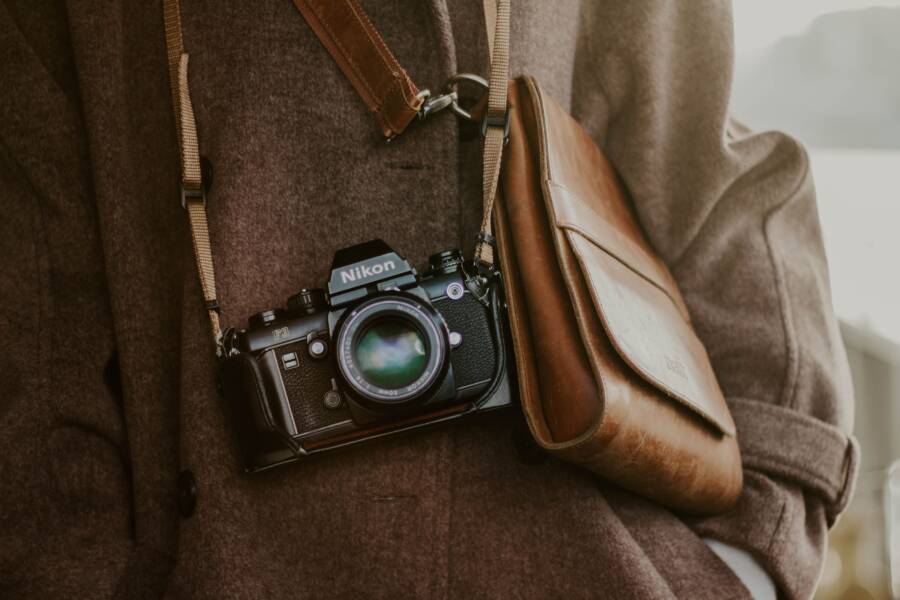
Gently blot the spill with a clean, dry cloth, then keep the bag away from heat while it dries. Remove the bag’s contents and place an absorbent cloth behind the stained area if you can reach it. Quick treatment may limit a coffee stain on a leather bag, but the safest method depends on the leather finish, the stain’s age, and whether the coffee contained milk or sugar. Delicate suede, nubuck, painted, vintage, or designer leather may need professional cleaning.
Coffee Stain on a Leather Bag: What to Do in the First Few Minutes
Start by opening the bag and removing everything inside. If the spill reached a pocket or lining, separate the wet material from the leather exterior. Place a clean, absorbent cloth under or behind the stained section when possible, so liquid doesn’t move into another panel.
Blot from the outside edge toward the center. This keeps the wet mark from spreading outward. Don’t rub, soak, or use a hair dryer, because friction can push coffee into the grain while heat can dry the leather unevenly or damage its finish.
Blot the Coffee Without Spreading the Mark
Use white paper towels or a soft, lint-free cloth. Replace the cloth as soon as it absorbs coffee, and work in small sections rather than dragging one wet towel across the whole panel. Continue until no more liquid transfers to the cloth.
Colored towels can release dye, while rough tissues may leave fibers or scratch delicate surfaces. Press with light, even pressure, especially on soft leather. Stop blotting when the surface feels damp rather than wet.
Remove Milk, Cream, or Sugar Residue Carefully
Milk and sugar can leave a sticky film and an odor after coffee dries. Lift visible residue with a barely damp cloth, using as little water as possible. Follow with a dry cloth, then let the area air-dry at room temperature.
Don’t add more liquid to dissolve a large patch of dried residue. Old dairy residue may need a leather cleaner or professional treatment, particularly if it has entered seams, piping, or a porous finish.
Check the Leather Before Choosing a Cleaning Method
Read the care label before applying any product. Finished smooth leather usually feels even and may have a light protective coating. Unfinished leather feels more absorbent, while suede and nubuck have a raised, textured nap. Patent leather is glossy, metallic leather reflects light, and printed or painted leather may have a decorative surface layer. Faux leather usually has a synthetic coating, but the manufacturer’s instructions remain the safest guide.
A method that works on finished leather can permanently mark suede or absorbent leather. Test every cleaner on a hidden area, such as beneath a flap or inside a seam, and wait until the test spot dries before treating the stain. Check for changes in color, shine, texture, and stiffness.
Treat Finished Smooth Leather Differently From Suede
Finished leather can usually tolerate a leather-specific cleaner applied with controlled moisture. Choose a product labeled for finished leather, preferably one with a pH-balanced formula. Suede and nubuck need a suede-specific brush or cleaner because their textured surfaces absorb liquid more easily.
Don’t use ordinary leather conditioner, liquid soap, or water-heavy methods on suede unless the product label allows them. Conditioner can flatten the nap and leave a dark, oily patch that is difficult to remove.
Know When the Bag Has a Special Finish
Patent, metallic, printed, and painted leather can react badly to alcohol, acetone, vinegar, baking soda, and household stain removers. Faux leather can also peel, cloud, or lose its top coating when exposed to unsuitable chemicals. Expensive, vintage, or unusual bags should follow the brand’s care instructions before any home treatment.
Keep cleaning products away from metal hardware when possible. Hardware can tarnish or transfer moisture into nearby leather, so protect buckles, zippers, and painted edges with a dry cloth.
How to Clean a Fresh Coffee Stain From Finished Leather
After blotting, dampen a clean cloth with a small amount of distilled or lukewarm water. The cloth should feel damp, never wet enough to drip. Wipe the affected area gently, then use a leather-specific cleaner if the mark remains. Apply the cleaner to the cloth, not directly to the bag.
Work over the stain and slightly beyond its edges with light, even strokes. Cleaning only the center can leave a visible water ring, so treat the entire affected panel lightly when the material and product instructions permit it. Avoid soaking seams, folded edges, and the bag’s interior.
Use a Leather Cleaner With Light, Even Strokes
Put a small amount of pH-balanced leather cleaner on a white cloth. Follow the product directions, and never pour cleaner onto the leather. Move across the stain with gentle strokes, then stop if color appears on the cloth or the finish begins to look cloudy.
Some cleaners require residue removal with a separate barely damp cloth. Follow that instruction carefully, then leave the bag open to air-dry at room temperature. Keep it away from radiators, vents, direct sunlight, and heated tools.
Condition the Leather Only After It Dries
Wait until the leather feels completely dry before applying conditioner. A thin layer can restore softness after cleaning, but conditioner may darken pale leather or create a greasy patch if the surface still holds moisture. Choose a conditioner made for the specific leather type.
Apply a small amount to a clean cloth, not straight onto the bag, and buff gently after application. Conditioner won’t remove a deeply set coffee stain. If the mark remains, repeated conditioning can make the surface dirtier without improving the color.
How to Handle Coffee Stains on Suede and Nubuck Bags
Suede and nubuck require a dry, low-moisture approach because liquid can create a larger dark patch. First, let the bag dry completely without adding cleaner or water. Then use a suede brush to lift and realign the nap.
For a remaining mark, use a suede-specific eraser or cleaner only after testing it on a hidden section. Follow the label exactly, including the amount, application method, and drying instructions. A coffee stain on a leather bag made from suede may need professional care after one unsuccessful attempt.
Let the Bag Dry Before Brushing the Nap
Keep the bag shaped with clean, unprinted paper while it dries. Avoid newspaper because ink can transfer to light interiors or leather. Once the bag is dry, brush in one direction with a suede brush and gentle pressure.
Brushing wet suede can flatten the nap and spread the stain. Don’t place the bag in direct sunlight, near a radiator, or under a hair dryer. Uneven heat may harden the material or change its color.
Avoid Water Rings and Permanent Texture Damage
Don’t soak one small spot, use dish soap, or scrub with a wet sponge. An uneven damp area can dry darker than the surrounding suede, leaving a second mark around the original stain. Large spills also carry coffee into the nap and lining.
Stop home treatment if the stain covers a large panel, contains milk, or remains after one careful attempt. A professional leather or suede cleaner has a better chance of treating the whole panel evenly.
Home Remedies That Can Damage a Leather Bag
Common household treatments often create more damage than they remove. Avoid rubbing alcohol, nail polish remover, bleach, vinegar, baking soda, toothpaste, baby wipes, disinfecting wipes, dish soap, and abrasive sponges. These products can strip color, dry the leather, create pale spots, or leave a lasting smell.
A product that works on fabric may dissolve leather dye or coating. Baking soda and toothpaste can also leave fine particles in the grain or nap. Light-colored and unfinished leather shows these problems quickly, but dark finished leather can also develop dull patches.
Why Scrubbing and Heat Make the Stain Worse
Friction pushes coffee deeper into the grain and may remove the protective finish. Repeated rubbing can leave a lighter circle around the original mark, especially on coated or dyed leather. Blotting gives you more control because it removes liquid without dragging it across the surface.
Heat can cause leather to dry unevenly, shrink, harden, or develop cracks. Use controlled moisture and natural air-drying instead. If the surface becomes stiff or begins to peel, stop cleaning and seek professional advice.
Why Bleach and Solvents Are Not Safe Stain Removers
Strong chemicals may dissolve dyes, coatings, adhesives, or printed designs. Acetone, found in many nail polish removers, can remove the finish along with the stain. Bleach can discolor leather permanently, even after a short contact time.
Use only products labeled for the relevant leather type. Follow the bag maker’s care guidance when it conflicts with general cleaning advice.
What to Do if the Coffee Stain Is Old, Dark, or Still Visible
Dried coffee stains need realistic expectations. An old mark may have changed the leather’s color or finish, so cleaning might lighten it without removing it completely. Treating the area again and again can enlarge the mark or weaken the surface.
After one careful treatment, allow the bag to dry fully before judging the result. If the color remains but the leather feels healthy, a professional may recommend recoloring or restoration instead of stronger cleaning. Do not apply dye or polish without confirming that it matches the leather type.
Assess the Damage After the Bag Is Fully Dry
Look for a remaining brown mark, a tide line, stiffness, cracking, sticky residue, odor, or color transfer. A darkened area may be coffee, absorbed milk fat, or a damaged finish. These signs help determine whether another leather-specific product is suitable.
If the leather feels normal and the mark is faint, leave it alone rather than chasing complete removal. A stable, slightly lighter stain is safer than a larger discolored patch caused by repeated applications.
Know When to Use a Professional Leather Cleaner
Choose professional help for luxury or vintage bags, large spills, suede and nubuck, pale leather, strong odor, peeling finish, or stains near seams and hardware. Ask for a written estimate and describe exactly what spilled, when it happened, and which products you used.
Don’t hide previous treatments. Cleaner residue, conditioner, solvents, and household products can change how a professional approaches the bag.
Dry, Restore, and Protect the Bag After Cleaning
Reshape the bag with clean, unprinted paper and leave it open to dry at room temperature. Keep hardware dry, and wait until the leather is fully dry before storing or conditioning it. If the leather still feels soft and looks even, apply a thin layer of suitable conditioner.
Prevent Cracks, Water Marks, and Color Changes
Avoid direct sun, radiators, heating vents, and heated tools during drying. Over-conditioning can darken leather, attract dirt, or leave the surface sticky. Stop if the bag becomes oily, tacky, or noticeably darker.
Store the clean, dry bag in a breathable dust bag away from damp areas and strong sunlight. Use acid-free or plain unprinted paper to hold its shape, and avoid plastic storage because it can trap moisture. Regular gentle dusting also removes grit before it works into the finish.
Build a Simple Spill Kit and Test Protection Products
Carry a small white microfiber cloth, plain tissues, and a resealable plastic bag for wet items. Keep liquids inside the kit sealed and away from the bag. Store leather cleaner at home, where you can test it against the care label before an emergency.
A leather protector may reduce absorption, but it can’t make the bag stain-proof. Test it on a hidden section and check for changes in color, shine, or texture after drying. Reapply only according to the product or manufacturer’s directions.
Conclusion
Blot a fresh spill quickly, use a method suited to the leather type, and avoid harsh household remedies. Let the bag dry naturally, then condition finished leather only when it is completely dry.
A coffee stain on a leather bag is easier to control before it spreads. For delicate, valuable, large, or deeply stained bags, professional cleaning is safer than trading one mark for water rings, color loss, or cracked leather.