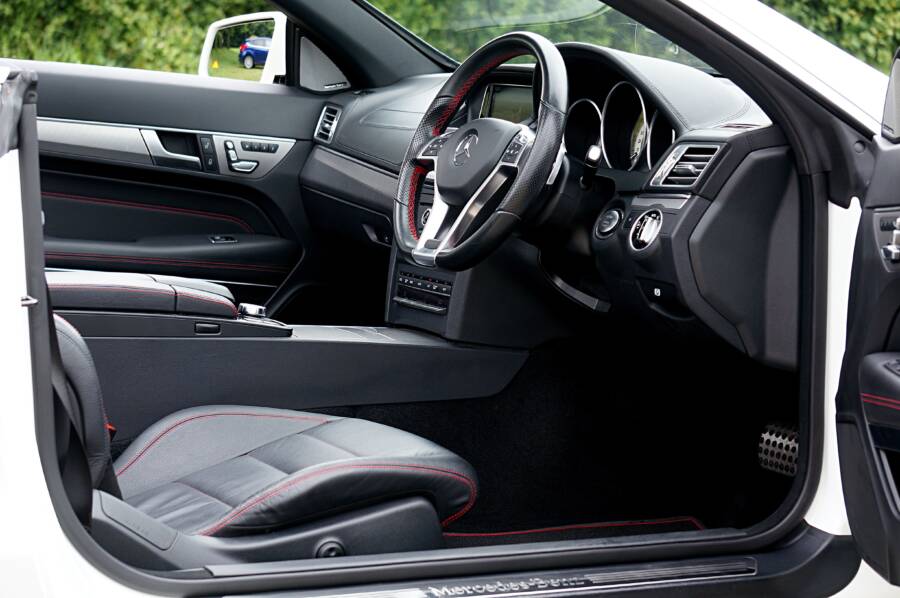
You can often reduce or remove cigarette smell in a used car interior by cleaning the residue instead of covering it with fragrance. Strong odors usually require attention to upholstery, carpet, the headliner, air vents, and the cabin air filter.
Masking sprays rarely solve the source, and they can make a stale interior smell worse. Start with safe cleaning, use ozone only under controlled conditions, and treat lingering smoke odor as a real factor when buying a used vehicle.
Why Cigarette Smell in a Used Car Interior Is Hard to Remove
Cigarette smoke leaves behind residue often called thirdhand smoke. It settles on fabric, carpet, leather, plastic, glass, and the fabric-covered headliner. It also enters the HVAC system, where air circulation can bring the smell back after surface cleaning.
A light odor may sit on glass or hard trim, while a heavy odor stays inside porous materials. Seats, carpeting, insulation, and headliners can hold smoke residue for years. Heat and humidity often make that trapped smell more noticeable.
Signs the Problem Runs Deeper
Look for a yellow or brown film on the inside of the windows, especially near the windshield. Check seat seams for ash, inspect the carpet for burn marks, and look under the seats for old cigarette debris.
Turn on both the heater and air conditioner before judging the cabin. If the odor becomes stronger when the fan runs, the ventilation system needs cleaning as well.
Find Every Place Smoke Residue May Be Hiding
Inspect the car before you buy cleaners or schedule a detailer. Lift the floor mats, check the carpet edges, and look in the trunk, spare-tire well, glove compartment, and storage pockets. Smoke residue often hides in door panels, seat belt webbing, dashboard seams, and beneath removable cushions.
Run your hand along the headliner only lightly because old adhesive can fail. Then smell the vents after the car has been closed for 10 to 15 minutes. A vehicle may seem clean while parked outside, then release odor once the cabin warms up.
Test the HVAC System in Both Modes
Set the fan to a medium speed and test fresh-air mode first. Next, switch to recirculation and smell the air again. A stronger odor in recirculation can point to residue in the cabin filter area, vents, or evaporator housing.
Also test every vent position, including defrost and floor settings. Smoke smell in only one mode can help a shop locate the affected duct or component.
Clean the Interior in the Right Order
Clean the cabin before using any odor treatment. Remove trash, ash, personal items, floor mats, and loose cargo first. Then vacuum seams, crevices, carpet edges, the trunk, and under the seats with a narrow attachment.
Use an automotive glass cleaner on windows and mirrors, then wipe plastic, vinyl, and painted trim with a product made for interior surfaces. Test every cleaner in a hidden area before applying it broadly. Keep liquids away from switches, screens, charging ports, and other electronics.
Follow a Safe Deep-Cleaning Sequence
Vacuum seats, carpet, mats, and gaps around the center console.
Clean glass, hard surfaces, cup holders, and door panels.
Shampoo or extract cloth seats and carpet with an automotive fabric cleaner.
Clean leather with a leather-safe automotive product, then apply conditioner if the product instructions call for it.
Leave doors or windows open until every fabric surface is fully dry.
Avoid soaking the carpet, foam seats, or headliner. Too much moisture can cause mold, loosen headliner fabric, or leave water marks that are harder to fix than the odor.
How to Remove Cigarette Odor From the HVAC System
A clean cabin can still smell like smoke when the fan turns on. Replace the cabin air filter first, even if it does not look heavily dirty. A filter can hold odors that are not obvious during a visual check.
Wipe accessible vent louvers and intake openings with a lightly dampened microfiber cloth. Then use an automotive HVAC odor treatment exactly as its label directs, including the fan setting and recirculation setting. Do not spray household cleaners deep into vents or onto electrical components.
If the smell returns quickly, residue may be near the evaporator area. A professional HVAC cleaning service can inspect that area without damaging ducts, wiring, or climate-control parts.
When Baking Soda, Vinegar, Steam, or Ozone Helps
Baking soda can absorb mild, leftover odor from dry carpet or fabric. It does not remove the sticky smoke film that clings to glass, plastic, and upholstery fibers. Vacuum it completely after several hours so it does not remain in carpet seams.
Vinegar may help with some surface smells, but it can leave its own sharp odor behind. Steam can clean fabric effectively when used sparingly, yet over-wetting seats or carpet creates a moisture problem. Drying time matters as much as the cleaning method.
Ozone Is a Final Treatment, Not the First Step
Ozone treatment can reduce stubborn cigarette odor after the interior and HVAC system are clean. Nobody, including pets or plants, can remain inside the vehicle during treatment. Follow the ozone machine instructions, ventilate the car thoroughly afterward, and never use ozone to avoid deep cleaning.
Ozone may reduce remaining odor molecules, but it cannot remove ash, tar film, or smoke residue trapped in dirty fabric.
What Professional Car Odor Removal Usually Includes
Ask a detailer for a written list of services before booking. A complete smoke-odor job may include carpet extraction, seat cleaning, headliner cleaning, hard-surface cleaning, HVAC treatment, and cabin air filter replacement. The shop should inspect the vehicle again after it dries because moisture can temporarily hide odor.
Prices vary by vehicle size, material type, contamination level, location, and whether the shop must remove seats or trim. Compare the cleaning process, not only the lowest quote. Avoid services that promise results through fragrance, fogging, or a single deodorizing spray.
A reputable detailer should explain what they can clean safely. For example, a fragile headliner needs a low-moisture method, while heavily contaminated carpet may need extraction.
Should You Buy a Car That Still Smells Like Smoke?
Inspect the vehicle in person with the windows closed. Test the heater, air conditioner, defrost, fresh-air mode, and recirculation mode. Check for burns, stains, yellowed glass, ash in seams, and residue on the steering wheel or dashboard.
A mild smell without visible damage may be manageable if you budget for professional detailing. However, severe cigarette smell in a used car interior can reduce resale appeal and may return after temporary treatment. Ask the seller exactly what cleaning they performed and whether they replaced the cabin air filter.
Use a written detailing estimate when negotiating. Subtract that cost from your offer, then leave room for the risk that odor remains after cleaning. If the seller refuses an independent inspection, treat that as a reason to walk away.
Remove the Source Before Covering the Smell
Remove the residue first, clean every porous surface, and service the HVAC system before trying ozone. A cigarette smell in a used car interior usually improves when the seats, carpet, headliner, glass, and vents receive proper attention.
If odor persists after a full cleaning, return to the detailer and ask for a reinspection. When evaluating a purchase, persistent smoke smell can justify a lower offer or choosing another car.