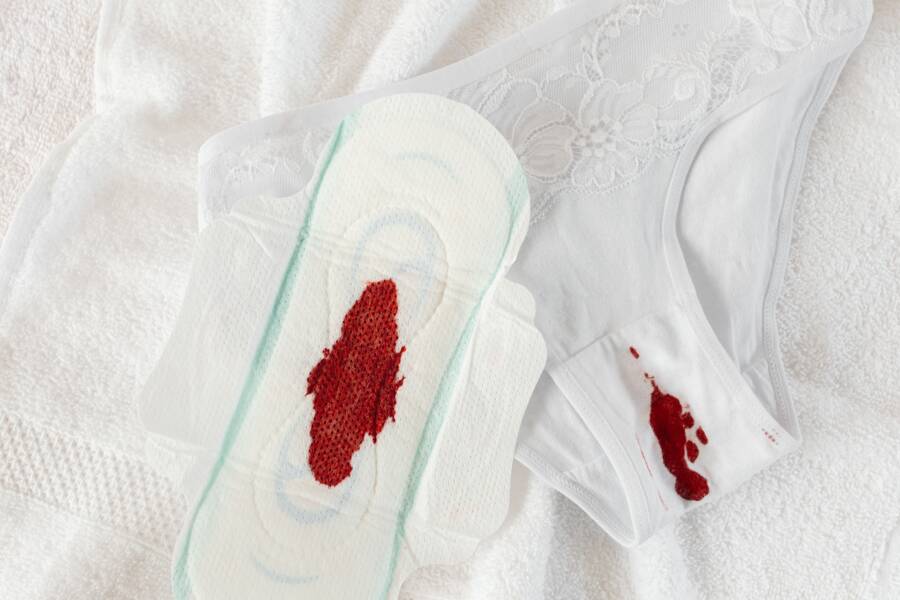
Act immediately by blotting the liquid with a dry cloth and applying cold water only to the stained area. Do not rub the fabric or use hot water because both actions permanently set the proteins into the fibers. Tailored outerwear requires specialized handling, especially when labels warn against home laundering. Understanding the structural properties of wool prevents irreversible damage during stain removal.
Why Standard Washing Methods Fail on Wool
Wool is a natural protein fiber covered in microscopic scales similar to pinecones. These scales react poorly to heat, moisture, and agitation. When you expose a wool coat to standard washing machine cycles, the mechanical friction forces these scales to lock together permanently. This process, known as felting, shrinks the garment and ruins its tailored shape.
The Dangers of Hot Water and Heat
Hot water causes wool fibers to swell and relax, which leaves them vulnerable to distortion. Once heat meets protein stains like blood, it cooks the organic matter, bonding the red pigment directly to the wool cortex. A dried blood stain set by heat becomes nearly impossible to lift without destroying the surrounding fabric. Always keep thermal energy away from delicate outerwear during emergency cleaning.
Why Machine Agitation Destroys Structure
Washing machines rely on vigorous twisting and spinning to force water through cotton or synthetic garments. Wool coats contain internal horsehair canvases, shoulder pads, and rayon linings that warp when subjected to this violence. The internal structure loses its shape, and the outer fabric pills or tears under heavy mechanical stress. Hand treatment is the only safe path for structured winter garments.
Immediate Steps for Fresh Blood Spills
Speed is your best defense when fresh blood hits a dry clean only wool coat. Liquid blood penetrates the outer weave quickly, but acting within the first few minutes stops it from reaching the inner lining. Grab a clean white cotton cloth or a paper towel before the moisture spreads.
Blotting Instead of Rubbing
Rubbing pushes the liquid deeper into the core of the wool yarn and frays the delicate surface texture. Press down firmly with your clean cloth to absorb as much excess liquid as possible without sliding across the fabric. Lift the cloth straight up, shift to a dry section of the material, and repeat the process until the cloth comes away clean.
Using Cold Water Only
Cold water keeps the blood proteins soluble, which allows them to wash out of the weave without cooking. Fill a small bowl with ice water from your tap. Dampen the corner of a clean cloth, squeeze out the excess moisture, and gently dab the stain from the outside edges toward the center. This outward-in motion prevents the liquid from forming a wider ring on the coat fabric.
Treating Dried Blood on a Wool Coat That Says Dry Clean Only
Dried stains require patience because the hemoglobin has already bonded to the textile fibers. Do not pour large amounts of water onto the coat, because excess moisture damages the inner construction and padding. Work in small, controlled increments to break down the crust without soaking the surrounding panels.
Scraping Away Dried Crusts Safely
Dried blood forms a hard shell on top of the wool nap. Take a dull butter knife or a soft-bristled garment brush and gently flake away the surface crusts. Do not scrape aggressively, or you will cut the fine wool threads. Removing this excess material exposes the stained fibers underneath for targeted spot cleaning.
Targeted Spot Cleaning Techniques
Dip a cotton swab into your cleaning liquid and dab only the remaining discoloration. Place a dry, absorbent towel directly beneath the stained fabric on the inside of the coat to catch migrating moisture. This sandwich method ensures the liquid and dissolved blood do not bleed through to the lining or padding on the reverse side.
Safe Household Solutions for Wool Spot Treatment
Harsh bleach or oxygen cleaners strip the natural lanolin from wool and discolor the dye. Stick to gentle agents that break down organic matter safely. Simple kitchen supplies often outperform commercial chemical removers on delicate winter coats.
Cold Water and Mild Dish Soap Mixture
Mix one teaspoon of liquid dish soap into two cups of cold water. Stir the solution gently until bubbles form on the surface. Apply only the suds to the blood stain using a soft sponge, because excess liquid causes water rings on dark wool fabrics. Rinse the area by dabbing with a separate cloth dampened with plain cold water.
Testing for Colorfastness First
Wool dyes sometimes bleed when exposed to moisture or mild soap. Dip a cotton swab into your soap mixture and dab a hidden seam inside the coat, such as the inner hem or under the collar. Wait five minutes, then press a white tissue against the spot to check for color transfer. Proceed with the cleaning only if the tissue remains completely clean.
When to Stop and Visit a Professional Cleaner
Home treatments work best on small, fresh spots near the surface of the coat. Large spills or stains that penetrate the interior layers require commercial intervention. Knowing your limits protects an expensive garment from accidental ruin.
Large Stains and Delicate Linings
Extensive blood spills soak through the outer wool and saturate the internal canvas and lining. Attempting to wash a large area at home leaves water stains and rusts the internal structural chest pieces. Take the coat to an expert if the stain covers an area larger than a coin.
Communicating Clearly with Your Cleaner
Tell the counter staff at the dry cleaner that the garment has a blood stain and identify the exact fiber content. Dry cleaners use specific protein-digesting enzymes and non-aqueous solvents that dissolve blood safely without harming wool. Mentioning the stain upfront ensures they treat the garment with the correct chemical formula before putting it through the machine.